

Table of Contents
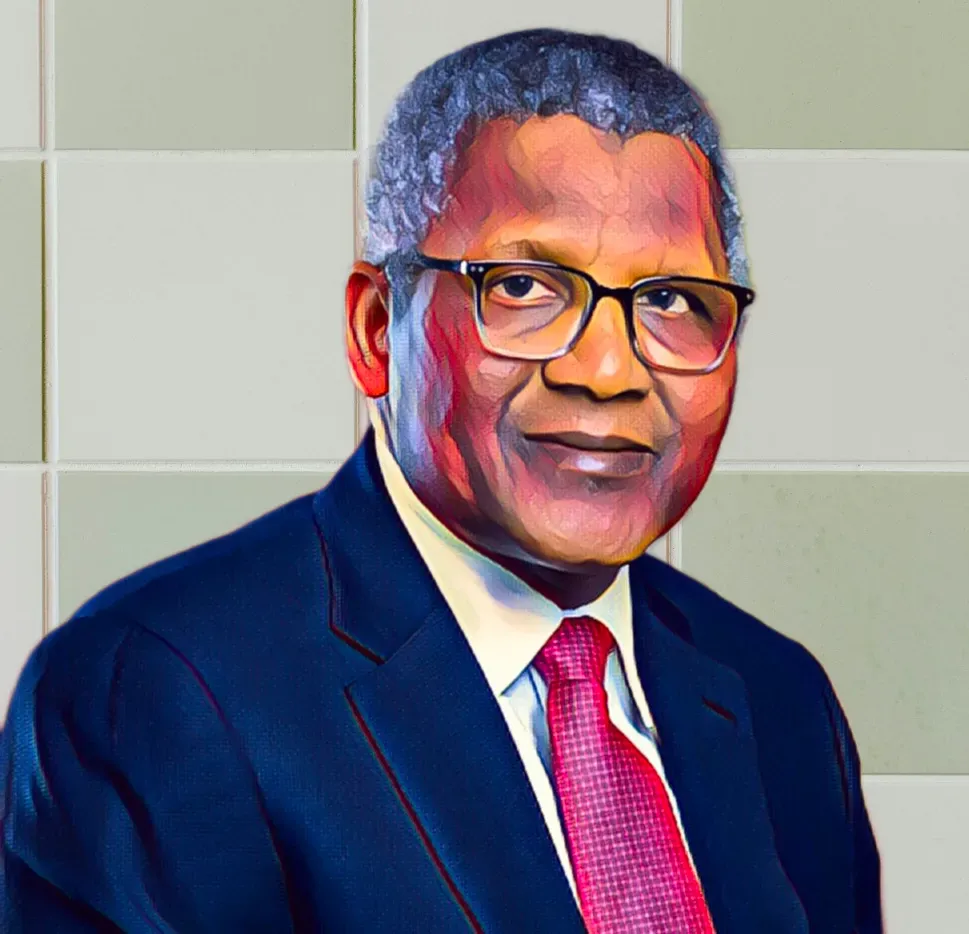
Africa’s richest man, Aliko Dangote, has delivered a stark message to the Nigerian government: fix the power sector now or risk derailing the country’s industrial ambitions.
Speaking in Abuja at the launch of the National Industrial Policy 2025, Dangote called for an urgent national retreat focused solely on resolving Nigeria’s long standing electricity crisis. According to him, unreliable power remains the single biggest obstacle to industrial growth.
“One of the things that I want to advise Your Excellency is to call a national forum where we will resolve the issues of power,” he said. “Because without power, there is no way in any country you can create growth or create jobs. So, power means growth. No power, no growth.”
The event, themed From Policy to Productivity: Implementing Nigeria’s Industrial Future, drew senior government officials, development partners and business leaders. President Bola Tinubu was represented by Vice President Kashim Shettima.
Dangote’s comments come at a sensitive time for Africa’s largest economy, estimated at about $500 billion. Nigeria is trying to reposition itself as a manufacturing hub under the new industrial policy, but erratic electricity supply continues to weigh heavily on productivity and investor confidence.
A recent five day power disruption laid bare just how fragile Nigeria’s electricity system remains. Between February 12 and 15, several power plants struggled with gas shortages after maintenance work by Seplat Energy briefly cut supply. The impact was felt across the country, as electricity generation dipped sharply and many areas were plunged into load shedding.
Manufacturers say such disruptions are frequent and costly. Many factories now depend on diesel generators to stay afloat, pushing production costs sharply higher. Dangote, whose business empire spans cement, fertiliser and oil refining, acknowledged the paradox.
“I would have loved to sell more diesel, but that is not the right way. The right way is to make sure there is power,” he said, noting that some companies spend more generating electricity than producing goods.
Beyond electricity, Dangote stressed the need to protect local industries if Nigeria hopes to industrialise at scale. While he described the government’s incentives as commendable, he argued that they are not enough without safeguards against excessive imports.
“If you give us zero interest loans, free land and power, if there is no protection, there is no way any industry will thrive here. Importation of anything is importation of poverty and exportation of jobs,” he said.
His remarks echo concerns within the organised private sector about heavy import dependence, high interest rates and persistent infrastructure gaps. Business leaders warn that cheap imports and dumping are squeezing local manufacturers and undermining job creation.
Dangote also underscored the outsized role of the private sector in Nigeria’s economy, saying it accounts for nearly 90 percent of gross domestic product. He called for deeper collaboration between government and business, describing the relationship as a partnership.
“When we do our business, we must pay our taxes. It is a joint venture. The government is the major shareholder in every business,” he said.
He expressed cautious optimism about recent economic reforms, including improved currency stability and renewed investor interest. Still, he made it clear that without stable and affordable electricity, Nigeria’s push to expand manufacturing, reduce imports and grow exports will struggle to gain traction.
His message was direct. Solve the power crisis first. Only then can policy ambitions translate into real productivity and sustainable growth.