


Table of Contents
Key Points
- Asset revaluation trims the fortune of Africa’s oldest billionaire to $10 billion, down from $10.4 billion in early June.
- Kirsh still worth $10 billion, with major holdings in Jetro Holdings and real estate across the U.S., UK, and Australia.
- Kirsh’s Ki Corporation revives takeover of Australia’s Abacus Storage King with a higher offer alongside U.S.-based Public Storage.
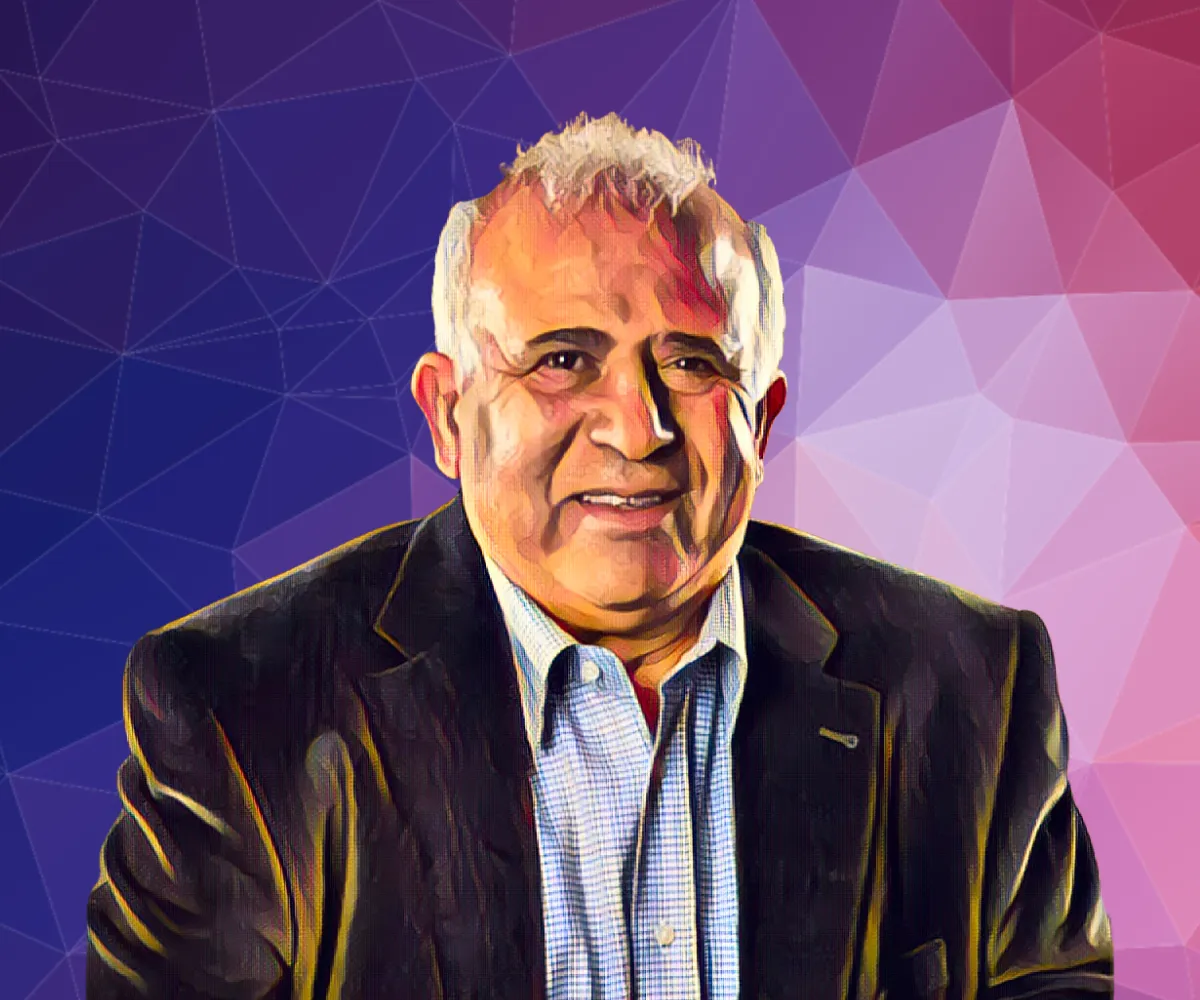
Eswatini’s richest man, Natie Kirsh—one of Africa’s wealthiest individuals—has taken a $400 million hit to his fortune in under two months, after a reassessment of his far-reaching portfolio that includes private equity, real estate, and retail operations across four continents.
Kirsh, Africa’s oldest billionaire, now has an estimated net worth of $10 billion according to Bloomberg, down from $10.4 billion on June 2. While he’s still ahead by $705 million this year, the recent dip has chipped away at what had been a $1.1 billion gain in 2025.
The $400 million decline is mainly tied to changes in how some of his private assets are valued—including those tied to the Kirsh Group, the family-owned investment firm that controls Jetro Holdings, a key player in the U.S. food distribution industry.
Kirsh makes power move in storage
Even as his net worth faces some downward pressure, Kirsh’s investment activity remains strong. His family office, Ki Corporation, has teamed up with U.S.-based Public Storage to make a renewed push to acquire Abacus Storage King, an Australian self-storage company. The new offer follows an earlier bid in April that was rejected.
This time, the consortium has returned with a higher proposal, valuing Abacus Storage King at A$2.17 billion ($1.42 billion). The offer, which was confirmed by the company on Monday, July 14, lifted its stock more than 7 percent. The revised bid—A$1.65 ($1.08) per share—represents about a 15 percent increase from the previous offer, excluding any shareholder distributions.
How Natie Kirsh made his billions
Kirsh’s business story started in 1952, shortly after he graduated from the University of the Witwatersrand. He stepped in to run his family’s small sorghum-malt business in Eswatini, armed with little more than determination and a £1,200 inheritance, about $1,500 at the time.
He quickly saw opportunities beyond sorghum, expanding into corn and malt milling. That move helped reduce Eswatini’s reliance on South African food imports and laid the groundwork for what would become a wide-reaching business group.
Decades later, the scale of that early ambition is most visible in Jetro Holdings, the U.S.-based wholesale grocery company Kirsh controls. He owns 75 percent of the business, which operates Jetro Cash & Carry and Restaurant Depot, two key suppliers to independent restaurants and retailers across the country. That stake is now worth an estimated $7.1 billion, based on valuations of similar publicly listed companies like Costco, Kroger, Metro, and Canada’s Loblaw.
Kirsh builds quiet legacy through property
Natie Kirsh’s wealth is spread across a diverse mix of investments. He holds a $476 million stake in Jetro Holdings’ real estate unit and a 54-percent stake in Abacus Property Group, listed in Sydney, worth about $362 million. His family firm, Kirsh Group, which also controls Jetro, is valued at roughly $205 million. In Abacus Storage King, his holding is estimated at $474 million.
He also owns notable real estate assets, including Tower 42, a prominent skyscraper in London, valued at $364 million. Together, these investments paint the picture of a man whose wealth has long been built on patient capital, smart partnerships, and a willingness to grow quietly but steadily, across borders and industries.