


Table of Contents
Key Points
- Gupta mansions in Saxonwold head to public auction with a combined municipal value of $3.4 million, though bids may fall short due to scandal stigma.
- Homes once hosted secret meetings fueling state capture, central to the Zondo Commission's findings implicating the Guptas and former president Jacob Zuma.
- Proceeds aim to repay creditors, but experts say the auction marks only a symbolic step in South Africa’s broader reckoning with corruption.
In Saxonwold, one of Johannesburg’s oldest and most exclusive suburbs, three luxurious properties are about to go under the hammer. For years, these properties stood at the heart of a national scandal. Now, they may offer South Africa a rare, if symbolic, chance to close a painful chapter in its long fight against corruption.
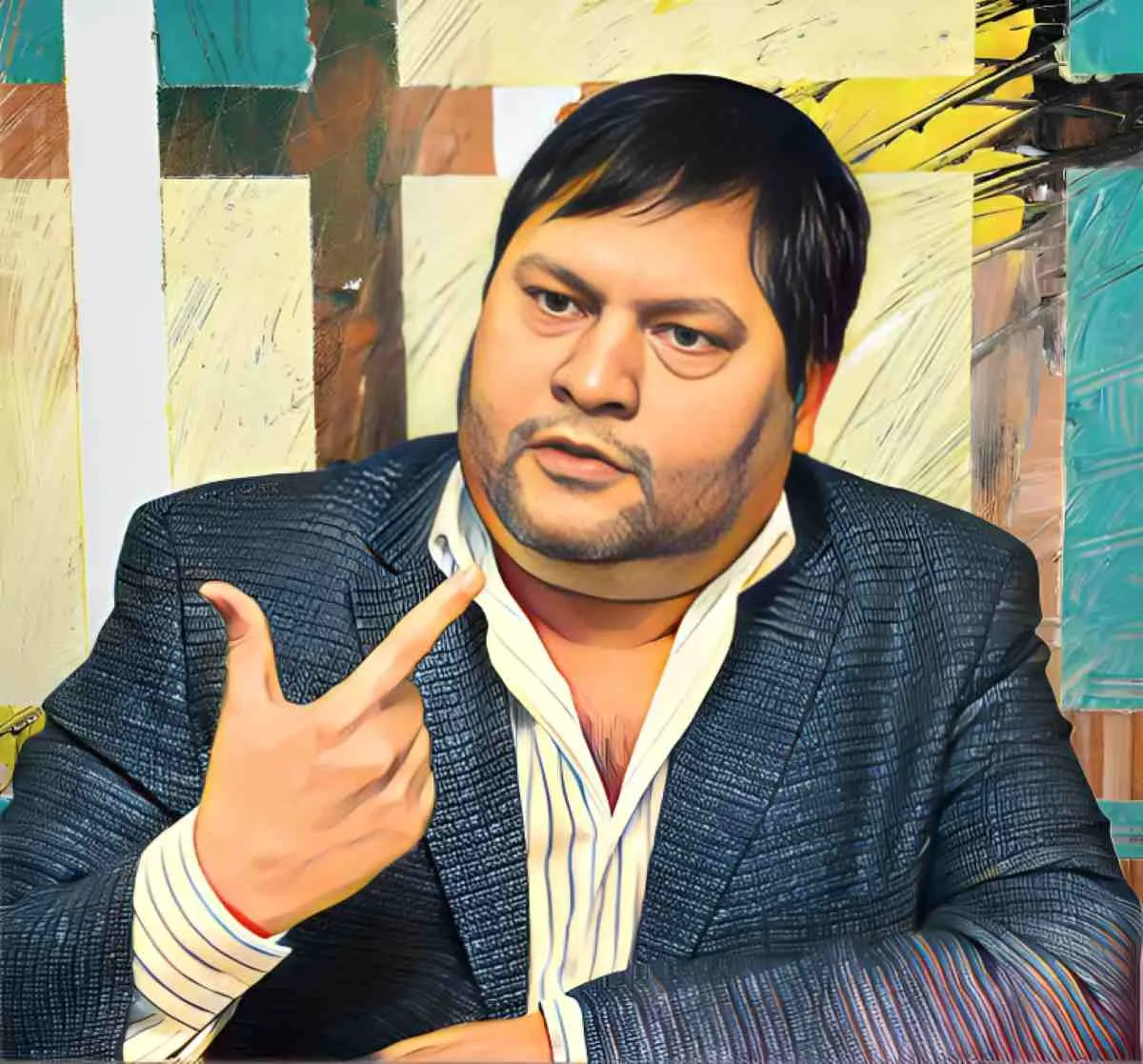
The homes belonged to Indian-born businessmen Atul, Rajesh, and Ajay Gupta, who rose from modest beginnings to become central figures in what’s widely known as “state capture,” a decade marked by political interference, backroom deals, and the erosion of state institutions like Eskom and Transnet. With public trust shaken and the economy battered, the sale of these properties is more than a matter of recovering lost funds; it’s a step toward accountability.
Litigation shadows Gupta property sale
Combined, the mansions carry a municipal value of R64 million ($3.4 million) and will be sold separately through public auction. The properties may go for far less as troubled history, combined with years of litigation and public scrutiny, is expected to weigh heavily on the bids.
The three homes are registered under Confident Concept Pty Ltd., a Gupta-linked company that entered South Africa’s version of bankruptcy protection, known locally as business rescue, in 2018. After lengthy court battles tied to financial distress and stalled development plans, creditors are now hoping the auction proceeds will finally bring some resolution.
But this sale isn’t just about real estate. These homes were once at the center of the multi-year inquiry into state capture, led by former Chief Justice Raymond Zondo. Over 1,400 witnesses detailed how the Guptas used these residences to host discreet meetings with politicians and business leaders, offering inducements in exchange for government contracts and influence over key decisions. Both the Guptas and former president Jacob Zuma, under whose administration these ties flourished, have denied any wrongdoing.
From PCs to power: Gupta rise
The Gupta brothers arrived in South Africa in the early 1990s, sent by their father to look into business opportunities as the country emerged from apartheid. Not long after settling in, Atul Gupta launched Sahara Computers, a company that imported and sold personal computers. Working closely with his brothers, the business grew steadily, and so did their connections. Over time, they built relationships with influential political figures, ties that would grant them access to the highest levels of power.
In 2006, the family began buying up properties in Saxonwold, a quiet, upscale suburb of Johannesburg. Behind the high walls of what became a sprawling estate, they hosted politicians and built a network of close allies. As their influence grew, so did public concern. What was once a peaceful neighborhood turned into a flashpoint, representing the blurred lines between political authority and private interests. Protests broke out, with increasing demands for accountability and a growing outcry over state capture and corruption.
By 2018, frustration within the ruling African National Congress had reached a tipping point, and public anger was impossible to ignore. President Jacob Zuma, seen as closely aligned with the Guptas, stepped down under pressure. But by then, the brothers had already left for Dubai. In 2022, Interpol issued red notices for Atul and Rajesh Gupta, leading to their arrest in the UAE. A year later, hopes of bringing them back to face justice were dashed when a court in the Emirates denied South Africa’s extradition request. Around the same time, prosecutors back home dropped an earlier arrest warrant for Ajay Gupta.
One estate still off the market
One other property in the Saxonwold compound, still bearing the name “SAHARA ESTATE,” is not included in this week’s auction. According to deeds records, it remains under the control of a different Gupta-linked entity.
The three homes being sold are zoned strictly for residential use. Buyers hoping to convert them for commercial purposes will need municipal approval, something that isn’t guaranteed and may prove difficult given the circumstances.
Analysts see the auction as a meaningful gesture, but few believe it signals the end of the story. The proceeds will help repay creditors, yet the wider damage — to institutions, public morale, and trust in government — can’t be tallied in rands and cents.