


Table of Contents
Key Points
- David Bird named CEO of $20 billion Dangote refinery, bringing decades of Shell and Omani refining experience to Africa’s largest single-train facility.
- Dangote plans to list the refinery, opening investment to Nigerians and institutional partners in a bid for broader ownership and capital access.
- Output hits 500,000 barrels per day, with plans to reach 700,000 as Nigeria reduces fuel imports and strengthens its energy independence.
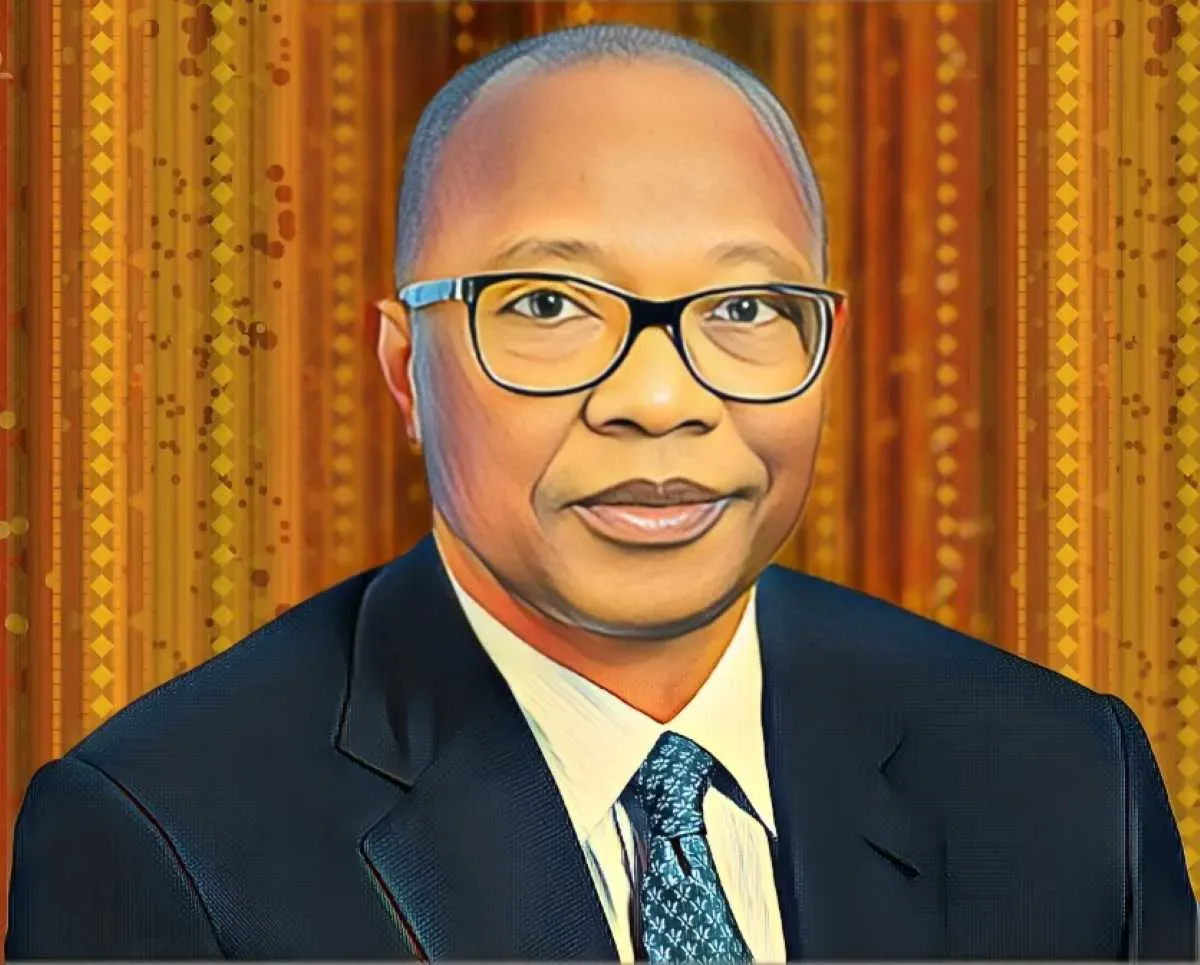
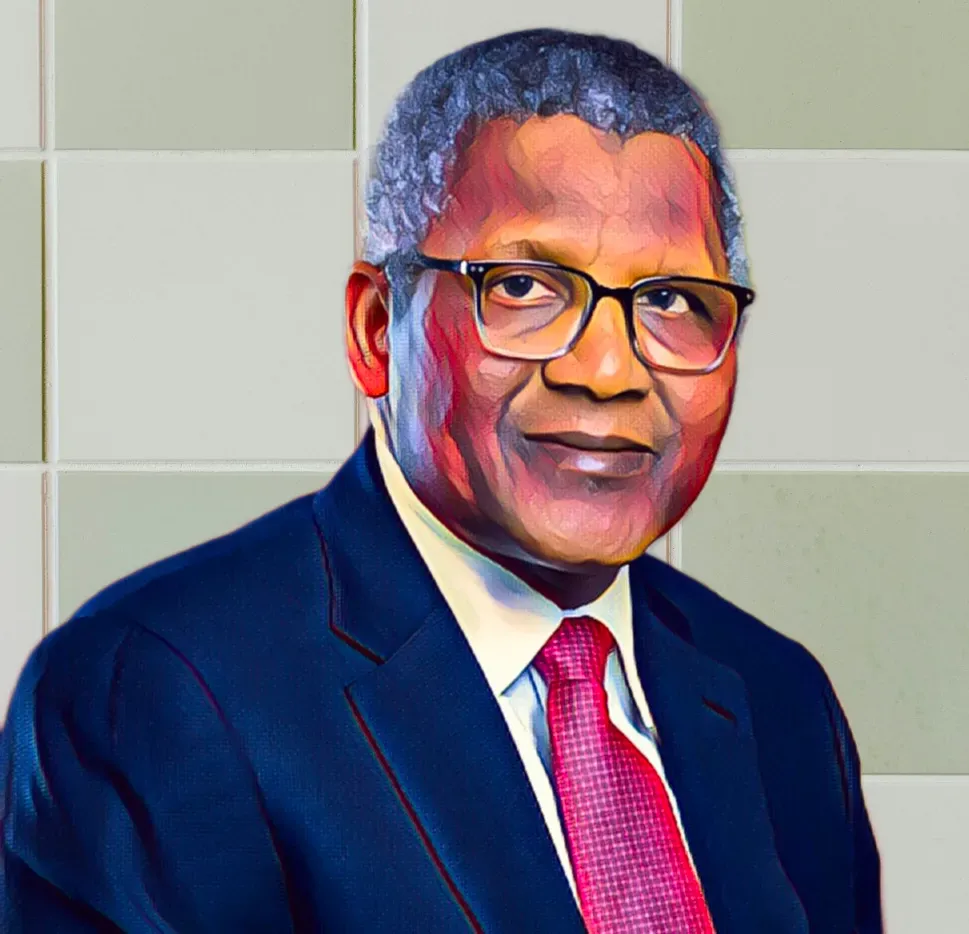
British executive David Bird has been named Chief Executive Officer of Dangote Petroleum Refinery and Petrochemicals, the $20 billion facility owned by Africa’s richest man, Aliko Dangote. The appointment marks a major step as Dangote looks to scale up operations and cement the refinery’s place in Africa’s energy landscape.
Ex-Shell executive takes helm at refinery
Bird brings decades of experience to the role. He previously served as CEO of OQ8, a 230,000-barrel-per-day refinery in Oman. Before that, he spent 14 years with Shell, including a stint as Vice President of Prelude FLNG, a $12 billion floating liquefied natural gas facility tied to Shell’s Australian assets.
Most recently, Bird helped guide the Duqm refinery in Oman through its commissioning phase and into test operations in 2023. Now, he’s taking on one of the biggest jobs in global refining—overseeing the world’s largest single-train refinery and steering its petroleum and petrochemical operations. A key part of his role will be navigating ongoing production challenges while preparing the business for its next phase.
Bird joins with listing in focus
His appointment comes as Dangote looks to broaden the refinery’s reach and take it public. Speaking at the Global Commodity Insights Conference in Abuja, hosted by the Nigerian Midstream and Downstream Petroleum Regulatory Authority and S&P Global, Dangote confirmed the plan.
“Very soon, the refinery will be listed to give all Nigerians the opportunity to become shareholders,” he said. “We are open to partnerships with African governments, private investors, and regional institutions. Our vision is simple but ambitious.”
Going public would open the door to investments from individuals, institutional funds, and possibly sovereign wealth funds. But it’s not just about raising money—it also reflects a push for more inclusive ownership of Africa’s energy infrastructure, which has historically been controlled by a few powerful players.
Dangote moves Nigeria closer to energy independence
The Dangote refinery, which began operations last year, has been ramping up steadily. Production increased from 350,000 barrels per day in mid-2024 to 500,000 by January 2025.
That growth has already helped reduce Nigeria’s reliance on imported fuel, a milestone for a country that, despite being Africa’s top oil producer, still imports most of its refined products. In a notable shift, South Africa recently surpassed Nigeria as the continent’s top fuel importer.
Dangote’s team is now working on upgrades to boost capacity to 700,000 barrels per day. If successful, the expansion would not only lift the refinery’s valuation but also enhance its reputation globally.