


Table of Contents
Key Points
- Sibanye-Stillwater’s CEO Neal Froneman backed a U.S.-Africa minerals proposal that angered South Africa’s mining minister.
- Gwede Mantashe said his department and the Minerals Council were sidelined in the draft presented to President Ramaphosa.
- The disagreement highlights broader tensions over South Africa’s critical minerals policy and strained U.S. trade relations.
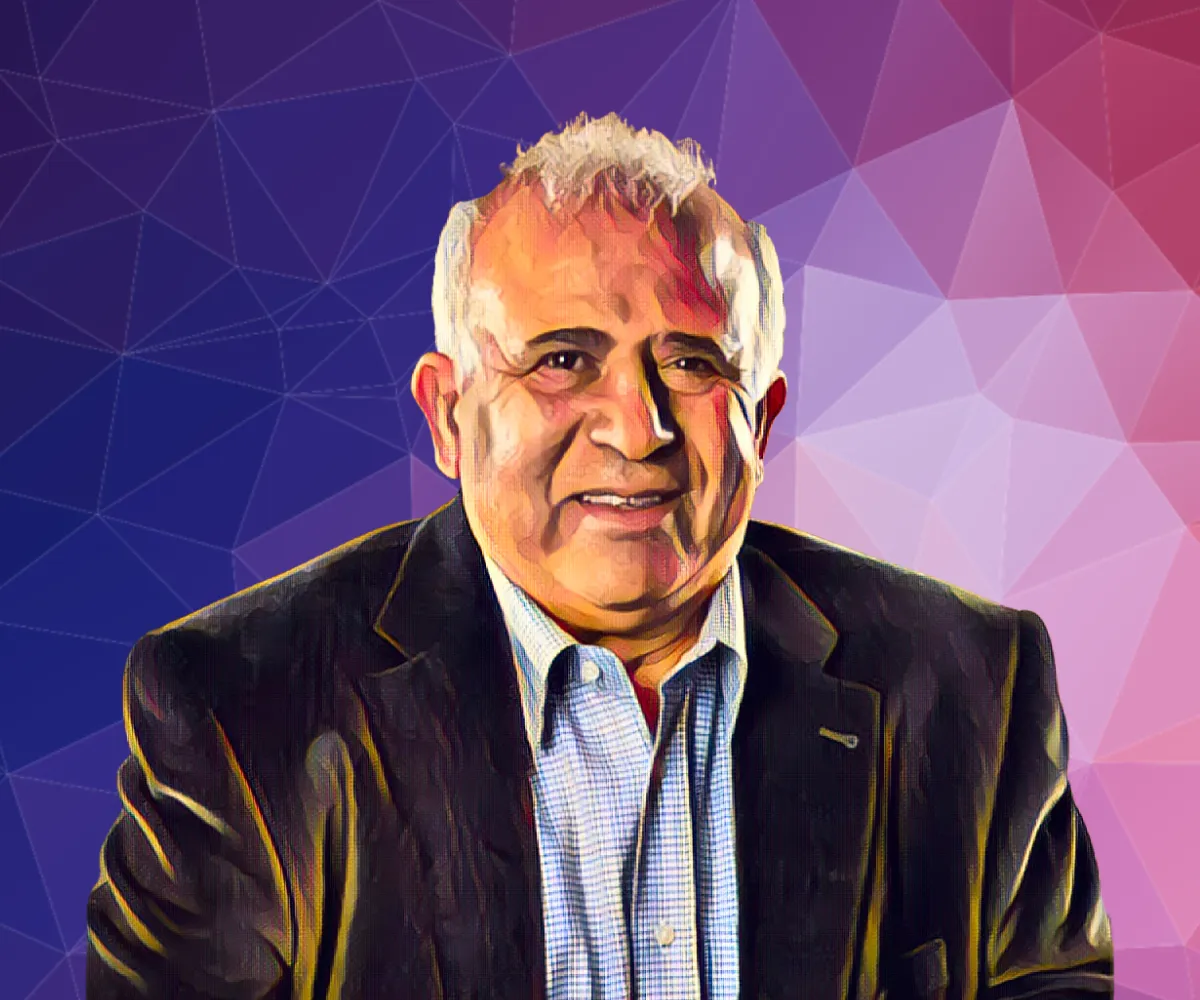
South Africa’s mining group Sibanye-Stillwater, led by CEO Neal Froneman, is at the center of a political storm after backing a controversial proposal to offer the U.S. access to Africa’s critical minerals. The initiative—intended to reset strained trade ties—was presented to President Cyril Ramaphosa ahead of his May 21 meeting with U.S. President Donald Trump.
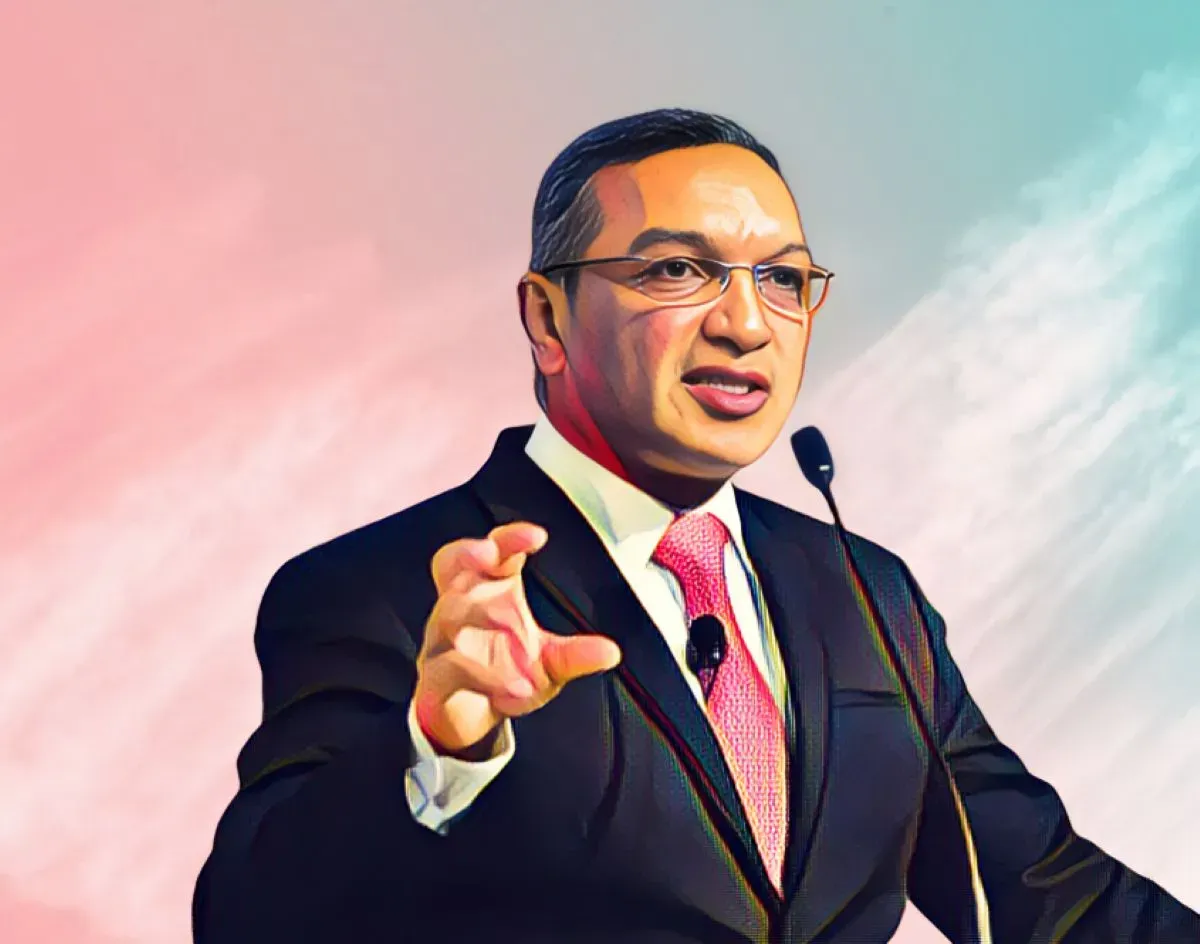
The plan, crafted by a business advisory group including Froneman and Sibanye board member Rick Menell, was not sanctioned by the Department of Mineral Resources and Energy, drawing the ire of Minister Gwede Mantashe.
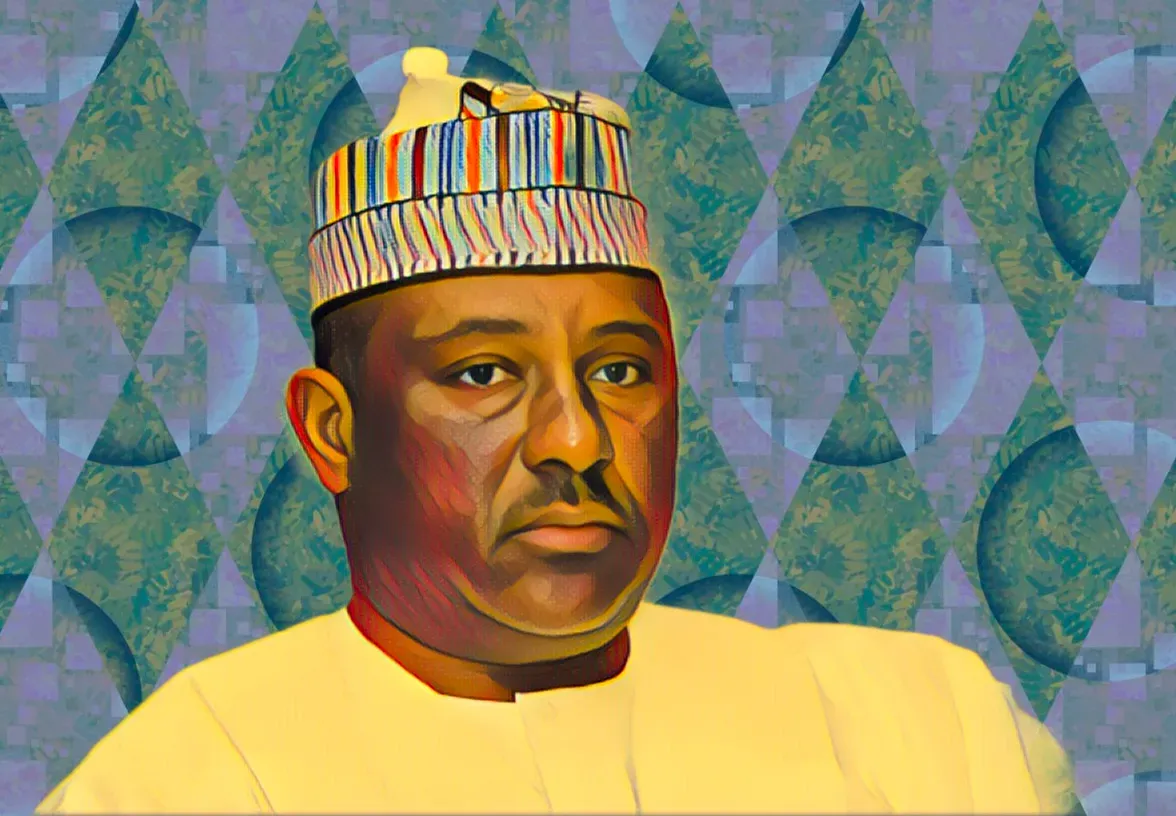
Mantashe accused the group of acting unilaterally, saying: “They didn’t talk to us, and there can be nothing about mining without us.” He argued that neither the ministry nor the Minerals Council of South Africa, which represents the country’s mining companies, had been consulted.
Industry discontent grows over red tape and policy exclusion
The fallout underscores rising industry frustration over regulatory bottlenecks and a perceived lack of collaboration. In 2023, the mining ministry reportedly failed to process any of its 2,525 mining applications, and new draft regulations were released without input from the industry.
“Government routinely issues bills and amendments without considering stakeholders,” said Froneman. He insisted the proposal was broader than mining and aimed at restoring diplomatic and economic relations with the U.S.
The proposal reportedly included language such as “make minerals great again,” a phrase Mantashe rejected as politically charged and misaligned with national priorities. “We don’t want a critical minerals strategy for the U.S.,” he told Bloomberg. “We want a cross-cutting strategy for everyone.”
South Africa’s strategy at odds with global mineral supply race
A day before the Ramaphosa-Trump meeting, Mantashe unveiled South Africa’s own critical minerals' strategy, emphasizing domestic needs and listing coal, platinum, iron ore, chrome, and manganese as strategic assets.
By contrast, the U.S. has pursued global deals to secure battery metals—such as cobalt, lithium, and copper—to reduce dependence on Chinese supply chains. South Africa lacks significant production of these minerals, which are vital to clean energy and AI industries.
Despite political tensions, the U.S. remains South Africa’s second-largest trading partner, with $21.6 billion in goods exchanged in 2024, yielding a $7.7 billion surplus for South Africa, according to IMF data.
Sibanye’s global pivot amid political risk
As geopolitical tensions rise, Sibanye-Stillwater is diversifying aggressively beyond South Africa. Under Froneman, the company acquired U.S.-based Metallix Refining for $82 million, advancing its circular economy strategy and North American presence.
Sibanye is also pushing for anti-dumping duties on Russian palladium, signaling its intent to defend U.S. domestic supply chains of platinum group metals (PGMs). The miner is one of the world’s largest producers of platinum, palladium, and rhodium, and is expanding its role in the global battery metals race.
Froneman, who owns more than 3.2 million Sibanye shares and is set to retire effective September 30, has criticized South Africa’s policy stance as damaging to foreign investment. “The truculent manner of the minister makes South Africa a destination of little interest to U.S. mining capital,” he said.
It remains unclear whether the proposal was discussed during Ramaphosa’s meeting with Trump, but the incident highlights deep divisions over how South Africa navigates the global critical minerals race.