

Table of Contents
With sanctions lifted, former FIDE President Kirsan Ilyumzhinov is turning to Africa with a vision for chess, education, and a new era of global consciousness
For nearly a decade, Kirsan Ilyumzhinov — the enigmatic and influential former head of the International Chess Federation (FIDE) — lived under a cloud of international sanctions. Imposed by the U.S. Treasury in 2015, these sanctions barred him from entering the United States and froze his financial dealings within its jurisdiction. For someone who had spent over two decades turning chess into a global cultural and diplomatic force, the restrictions were both personal and symbolic.
The U.S. Treasury’s Office of Foreign Assets Control (OFAC) stated at the time that the sanctions were due to alleged financial ties between Ilyumzhinov and the Central Bank of Syria, a regime under broad international sanctions amid the country’s civil war. Although Ilyumzhinov denied any wrongdoing and no formal charges were ever filed, the designation effectively sidelined him from international financial systems and limited his global movement.
All that changed in June 2025, when U.S. President Donald Trump officially removed the sanctions, ending a prolonged standoff. Ilyumzhinov’s direct appeal to the White House earlier this year — in which he emphasized that his life’s work was aligned with the values of fairness, dialogue, and personal liberty — played a key role in the decision.
“President Trump listened when others would not,” Ilyumzhinov says. “He understood that these sanctions were unjust and counterproductive. I am sincerely grateful to him for giving me the chance to continue my work openly. His decision restored not just my name, but my ability to contribute to global education and diplomacy.”
Supporters in the chess world say the lifting of sanctions allows a vital advocate to return to the global stage.
“Ilyumzhinov was a transformational figure for chess,” said a former FIDE official who served under his presidency. “He wasn’t just promoting the game — he was bringing it to classrooms in parts of the world that had never seen it. His belief in chess as a tool for education and peace helped shape the sport’s modern identity. It’s good to see him back.”
Now, Ilyumzhinov is not only back — he is redirecting his energy toward Africa, a continent where chess has been growing rapidly and where he believes the next generation of leaders can benefit most from the lessons the game offers.
A Global Chess Diplomat
Ilyumzhinov’s name is synonymous with chess diplomacy. As FIDE President from 1995 to 2018, he expanded the reach of the game to more than 150 countries, introducing it into national school programs, organizing global championships, and using chess as a tool of cultural diplomacy. During his leadership, chess shifted from being seen largely as a niche sport into a universal language of strategy, logic, and creativity.
He has visited over 100 countries in his career, often meeting with presidents, prime ministers, and education ministers to advocate for chess in schools. “Chess is more than a game,” he says. “It teaches discipline, long-term thinking, and respect — qualities that shape good leaders and innovative thinkers.”
Africa: The Rising Chess Continent
While much of the global chess narrative has been dominated by Europe and Asia, Africa has been quietly making strides. Ilyumzhinov played a significant role in supporting this rise. During his tenure at FIDE, he launched initiatives like the “Chess in Schools” program, which aimed to integrate chess into primary and secondary education across multiple African nations.
He has visited countries like Zambia, Zimbabwe, Kenya, and Botswana, often personally donating chessboards, books, and training materials. In Zambia, he inaugurated a major zonal championship and provided resources for coaching programs. In Zimbabwe, his visits helped catalyze preparation for the African Schools Individual Chess Championships, while in Botswana, his meetings with education officials led to discussions about including chess in the national curriculum.
“Africa has a natural affinity for chess,” he says. “The game resonates with the strategic thinking and problem-solving skills that are already part of local traditions. When I saw the enthusiasm of young players in African classrooms, I knew this was the future.”
Vitacracy: A New Model for Governance
Today, Ilyumzhinov’s vision goes far beyond chess. He is championing a philosophical framework he calls Vitacracy, a term derived from the Latin vita (life) and the Greek kratos (power). Vitacracy, he explains, is about building societies that prioritize life, balance, and the well-being of every citizen.
“Vitacracy is not about ideology or partisanship,” he says. “It’s about creating a system where every individual’s right to a dignified life is at the center — with education, health, and opportunity as the foundation.”
This philosophy, he believes, aligns naturally with Africa’s own communal values and aspirations. As many African nations undergo rapid urbanization and technological change, Ilyumzhinov argues that education-driven leadership is the key to long-term success. “Chess can be part of this — teaching critical thinking, planning, and the ability to foresee consequences.”
The Noosphere and Cosmic Thinking
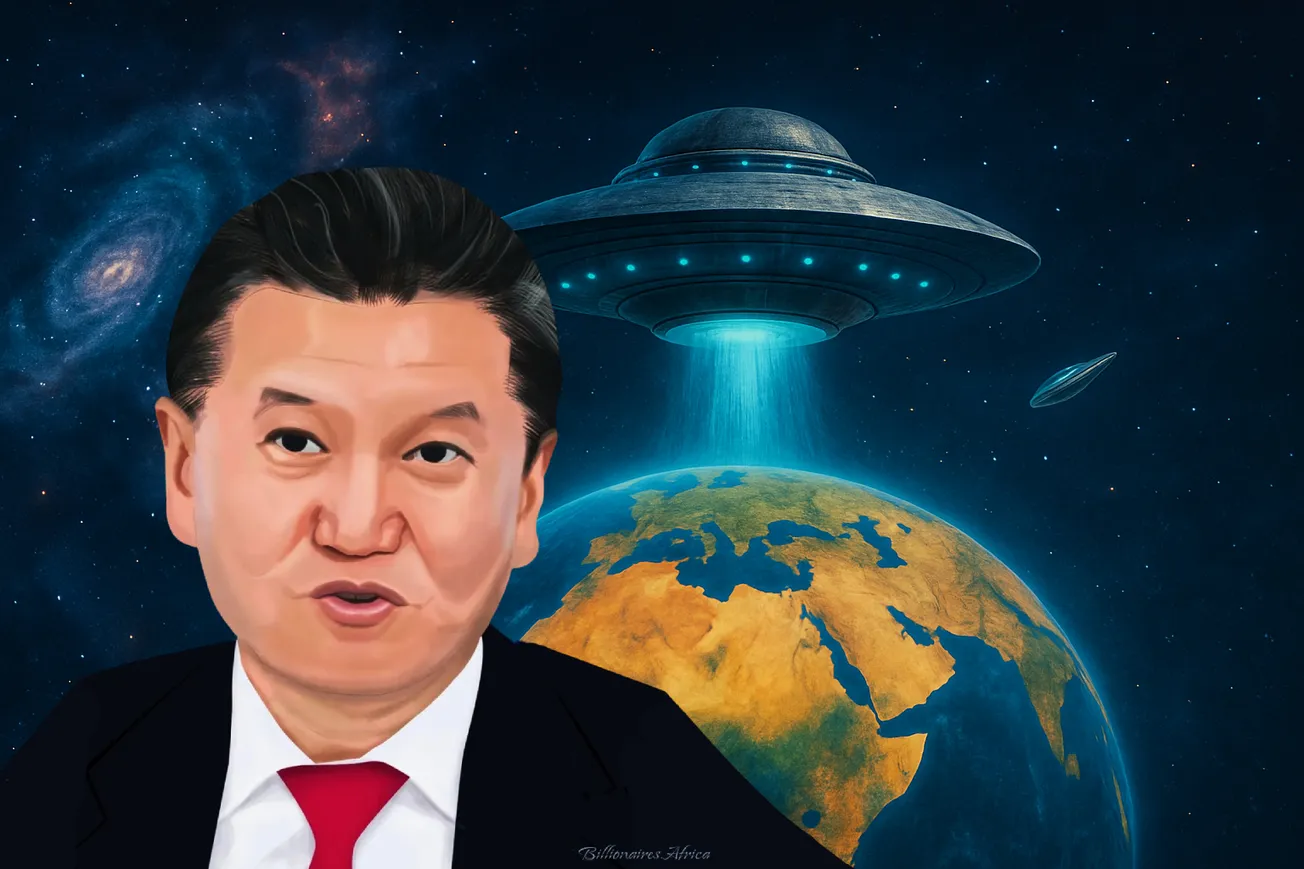
Ilyumzhinov is not only a strategist of the chessboard but a visionary of global consciousness. A longtime proponent of the noosphere — a concept developed by Russian scientist Vladimir Vernadsky and French philosopher Pierre Teilhard de Chardin — he views human thought as the next great evolutionary force shaping Earth’s destiny. The noosphere, he says, is a moral and intellectual layer of existence, one that grows stronger as humanity becomes more interconnected and ethically aware.
In a recent interview with Billionaires.Africa, Ilyumzhinov emphasized that Africa’s youthful energy and cultural depth give it a unique role in cultivating this new planetary awareness. “Africa can be the spiritual catalyst of the noosphere,” he said. “Its traditions of community, reverence for life, and emphasis on oral knowledge are not antiquated — they are prophetic.”
He also spoke about cosmic thinking — the idea that humanity must begin to act as a united species with shared stewardship over the planet. “We are not just citizens of nations anymore,” he said. “We are citizens of Earth. Our survival depends on thinking beyond borders, beyond politics — toward harmony, intelligence, and collective responsibility.”
Ilyumzhinov believes that the synthesis of chess, ethics, and universal education can nurture this higher level of consciousness. “The goal is not to win at someone else’s expense, but to elevate the whole game of human existence,” he concluded. “That is the spirit of the noosphere — and that is Africa’s great opportunity.”
What’s Next: Centers for Chess and Leadership
With his name cleared, Ilyumzhinov is already making plans. One of his most ambitious projects is the creation of a global chess and diplomacy center in Washington, D.C., directly across from the White House. This center, he says, will serve as a hub for cultural exchange, strategy seminars, and chess-driven education programs.
But Africa remains his primary focus. He is currently in talks with ministries of education, private investors, and NGOs to develop chess academies and leadership institutes across the continent. These centers will combine chess training with STEM education, ethics workshops, and leadership programs for young people.
“Imagine a generation of African leaders trained to think like chess grandmasters,” Ilyumzhinov says. “Planning not just for the next election cycle, but for the next century.”
The Sanctions Story — and Trump’s Role
Though Ilyumzhinov is focused on the future, he is candid about the toll the sanctions took on him. “For almost 10 years, I was treated as though I had committed some great crime — but no evidence was ever presented. It was a political decision, and it cost me opportunities to serve the global chess community.”
He credits U.S. President Donald Trump with correcting what he calls a “grave injustice.” “President Trump showed leadership,” Ilyumzhinov says. “He looked at the facts, he listened, and he made the right decision. For that, I will always be grateful — not just for myself, but for everyone who believes in fairness.”
A Shared Future
Looking ahead, Ilyumzhinov is optimistic. He believes that Africa will play a decisive role in shaping the moral, educational, and strategic future of the world. “Africa is not on the sidelines,” he says. “It is the heart of the future.”
His message is simple but powerful: “Yes, we are different — different histories, different traditions, even different cuisines. But we all share the same sky. The Earth is one. And if we play wisely, our future will be one as well.”
Billionaires.Africa will continue to follow Ilyumzhinov’s educational and diplomatic initiatives across Africa, where chess is increasingly seen not just as a sport, but as a strategic tool for nation-building.