

Table of Contents
Key Points
- Alain Nkontchou is acquiring a $100 million stake in Ecobank, becoming the bank’s largest shareholder with 24.03 percent ownership.
- The deal adds 5.25 billion shares to his holdings, raising his total to 5.95 billion shares in the pan-African lender.
- Nkontchou, co-founder of Enko Capital and former Ecobank chairman, is expected to play a bigger role in the bank’s strategy.
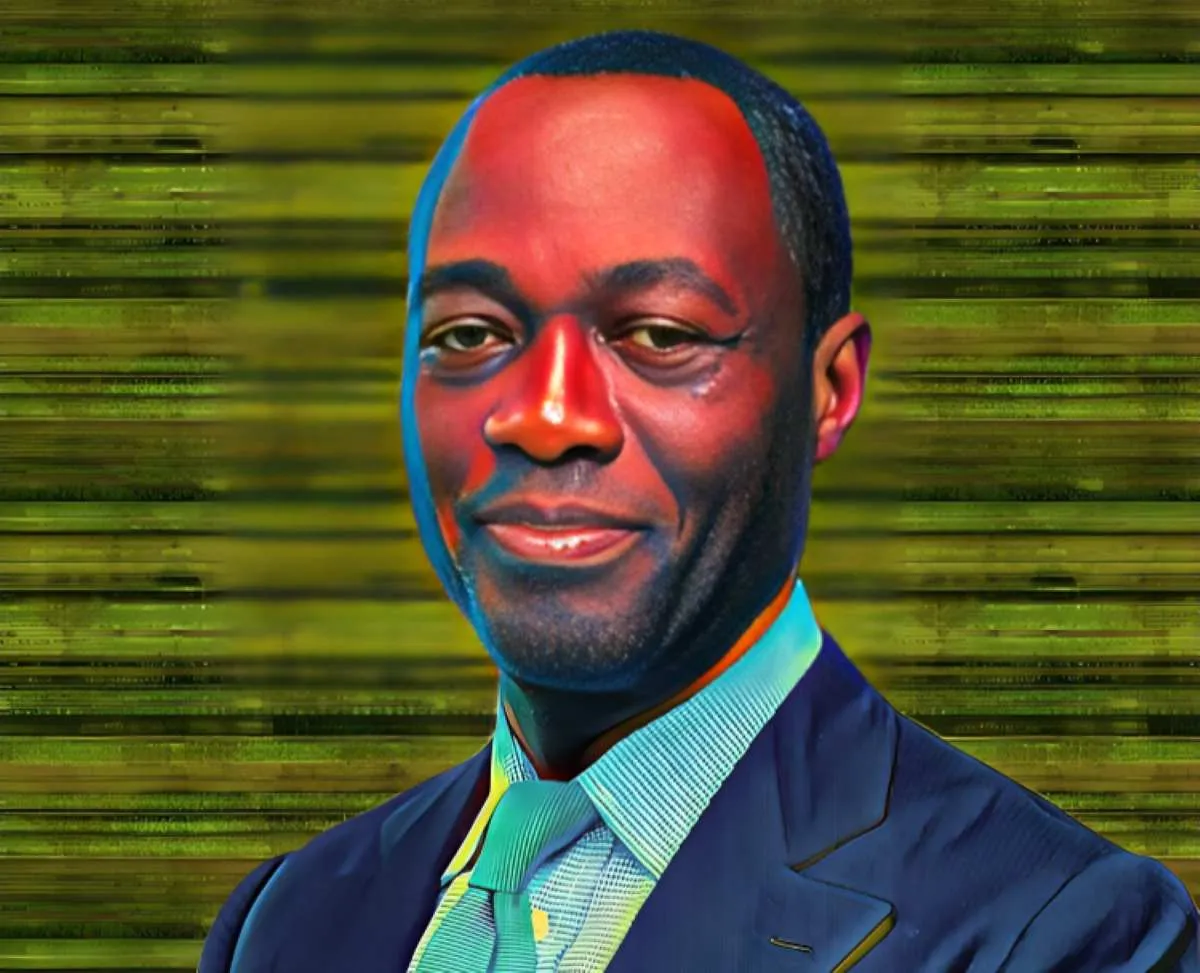
Alain Nkontchou, one of Africa’s most accomplished financiers, has secured a landmark deal that places him at the center of the continent’s financial industry. The Cameroonian banker, born in Yaoundé in 1963, is set to become the single largest shareholder in Ecobank Transnational Incorporated, the pan-African banking group headquartered in Lomé. Through his investment vehicle, Bosquet Investments Limited, he will acquire a 21.22 percent stake from South Africa’s Nedbank Group in a transaction worth about R1.8 billion ($100 million).
Once approved by regulators, the deal will raise Nkontchou’s stake in Ecobank to 24.03 percent, equivalent to 5.95 billion shares, an increase from the 698.7 million shares, or 2.83 percent, he already owned. It also cements his role as one of the most influential figures in the bank’s future, giving him both the financial weight and the institutional knowledge to shape its next chapter.
From Paris classrooms to global finance
Nkontchou’s path to this moment is defined by decades of leadership across global banking and African investment. After earning his degree at the École supérieure de commerce de Paris (ESCP), he began his career at Chemical Bank, where he managed cash operations. He quickly rose through the ranks of international finance, becoming Managing Director at Chase Manhattan Bank in 2002 and later holding the same role at JPMorgan Chase Bank and Credit Suisse AG in London.
In 2007, he struck out on his own, founding Enko Capital Management LLP, an investment firm dedicated to African markets. Enko has since helped channel international capital into African enterprises, giving businesses across the continent access to growth opportunities they often lacked. His connection to Ecobank runs nearly a decade deep. Nkontchou joined the bank’s board in 2014, later serving as chairman from 2020 to 2024.
Leading with vision across Africa
His time as chairman of Ecobank came during years of both progress and uncertainty, when the bank was adjusting to new regulations, changing customer needs, and the realities of operating in more than 30 African markets. He pushed for innovation and sustainability, backed financial inclusion, and helped solidify Ecobank’s role as a lender able to connect economies across borders. The bank has described his larger stake as bringing “new perspectives and strategic support,” a recognition of the influence he carries as both investor and former chairman.
That investment highlights the balance between opportunity and risk in Ecobank’s business. With a presence that stretches across the continent, the bank is well-positioned to serve companies and individuals on a scale few rivals can match. Yet it still faces challenges such as currency swings and political uncertainty in major markets like Nigeria. For Nkontchou, buying deeper into the bank is about more than financial returns, it is about shaping its direction at a moment when choices around capital, expansion, and governance will define its future.
A mission beyond banking profits
What distinguishes Nkontchou is not just his resume but his belief in Africa’s potential, even when global markets looked elsewhere. At Enko Capital, he proved that African businesses could attract international investors if given the right structures and backing. At Ecobank, he pushed for services that reached underserved communities while keeping sustainability at the heart of expansion. His work has always pointed to a simple idea: finance can be a tool for change, one that strengthens resilience and drives development across the continent.
Today, with nearly a quarter of Ecobank under his control, Nkontchou’s influence is more pronounced than ever. His journey, from managing cash accounts in Europe to guiding one of Africa’s largest banking institutions, speaks not only to his own career but to the growing presence of African executives in shaping the continent’s financial destiny. For him, the $100 million stake is not just a business transaction. It is the continuation of a mission he has spent decades pursuing: building stronger foundations for Africa’s economic future.