


Table of Contents
Key Points
- Illovo Malawi secures $45 million loan to ease $72 million debt and protect operations amid foreign exchange shortage.
- Chairman Jimmy Lipunga leads a debt relief plan, shielding Illovo from US-dollar liabilities tied to imports and raw materials.
- Loan backed by Sucoma Holdings injects FX liquidity, safeguarding Malawi’s biggest sugar producer against cash flow pressures.
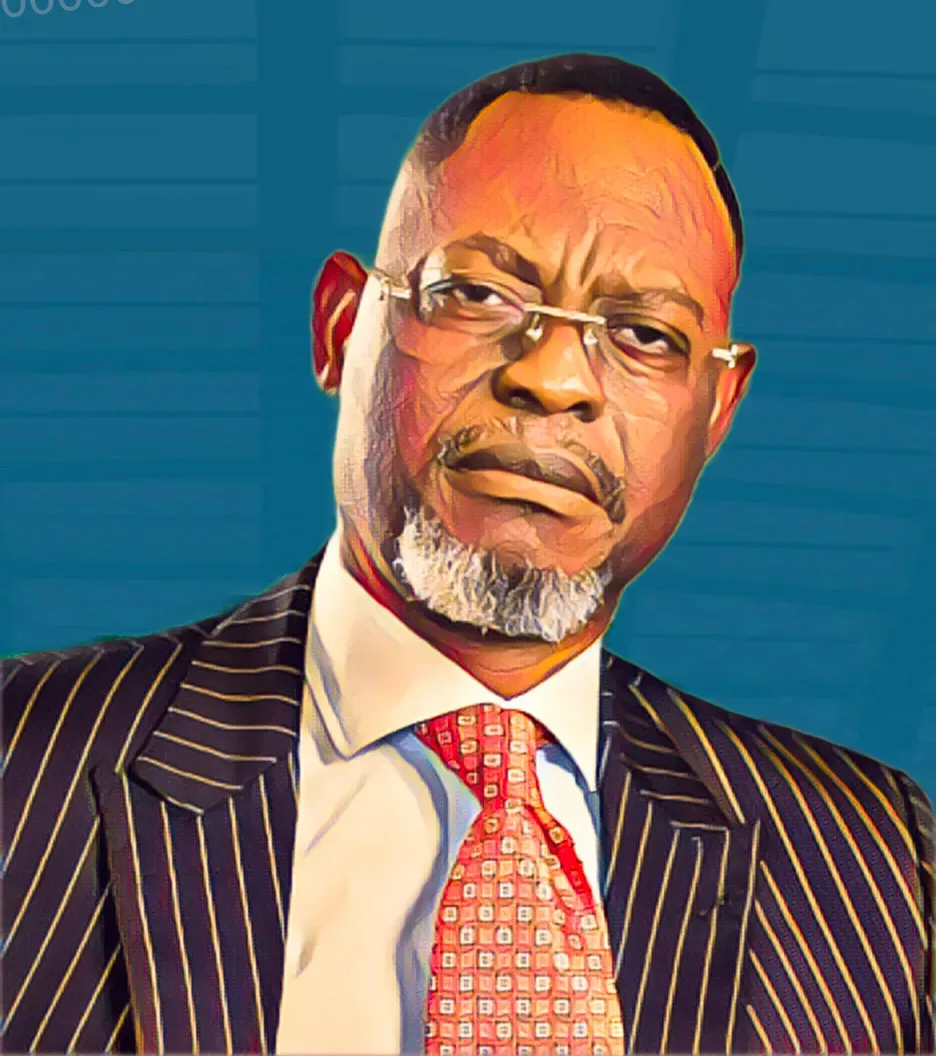
Illovo Sugar Malawi, the country’s biggest sugar producer, chaired by Jimmy Lipunga has secured a $45 million shareholder loan to ease its debt load and protect operations from Malawi’s persistent foreign exchange shortages. The facility, backed by majority shareholder Sucoma Holdings, will cover part of Illovo’s $72 million liabilities, most of which are owed to foreign suppliers and sister companies.
Board Chairman Jimmy Lipunga told shareholders at an Extraordinary General Meeting in Blantyre that the loan would reduce Illovo’s reliance on US-dollar-denominated imports of inputs, machinery, and raw materials.
He noted that the company still has the option to draw down an additional $15 million if conditions worsen. “We thought of restructuring our working capital to reduce the burden of US-denominated debts and interest. This is a better alternative than converting debt into equity, which carries dilution risk,” Lipunga said.
Illovo secures $72 million loan relief
Malawi’s ongoing foreign exchange crisis has left many firms struggling to meet offshore obligations, and Illovo is no exception. The company’s debts piled up over four years as dollar inflows from exports slowed, and the central bank restricted access to foreign currency.
A shareholder circular shows Illovo owes about $72 million (1.3 billion rand) to related parties—including ABF Sugar Pty, Illovo Sugar Johannesburg, and Illovo Group Marketing Services, all subsidiaries of its parent, Associated British Foods Plc. These funds financed machinery and services for Malawi operations.
The new loan will provide immediate relief by supplying foreign currency to settle intercompany payables and ease pressure on working capital. Lipunga also expressed hope that the Reserve Bank of Malawi would soften its FX restrictions to give firms like Illovo room to operate. Minority shareholder representative Frank Harawa praised the move, calling it “an innovative step to safeguard operations and the bottom line.”
Illovo profit slumps despite revenue growth
Illovo’s financial challenges come at a time when the company continues to play a central role in Malawi’s economy. Sucoma Holdings owns 75.98 percent of Illovo, while Old Mutual Life holds 10.87 percent and public investors 13.15 percent.
The company employs over 10,000 people across its mills in Chikwawa and Nkhotakota, as well as its head office in Limbe. It grows about 1.8 million tons of cane each year, supplemented by 350,000 tons from smallholder farmers, producing roughly 250,000 tons of sugar. About 60 percent of its output is sold locally, with the rest exported to the EU, US, and regional African markets.
Yet, despite a 15.1 percent rise in revenue to MWK313.69 billion ($180.87 million) for the year ending August 31, 2024, profits fell sharply. Net income dropped 60 percent to MWK22.63 billion ($13.05 million), down from MWK56.76 billion ($32.73 million) the year before, hit by rising costs and exchange rate pressures. The loan is expected to cushion the company from further shocks tied to possible currency devaluation and tight FX rules, which Lipunga urged the central bank to reconsider.
Lipunga balances banking experience with sugar
Lipunga, who has chaired Illovo Sugar Malawi since January 2023, brings long experience to the task. He also chairs the National Bank of Malawi and previously led the Public Private Partnership Commission, where he oversaw privatizations and the first five IPOs on the Malawi Stock Exchange. His track record in banking and corporate restructuring is proving central as Illovo navigates foreign exchange constraints and the wider risks of climate impacts on sugar production.