

Table of Contents
Target Malaria, an anti-malaria program funded by the Gates Foundation, a private foundation co-founded by American billionaire Bill Gates, has been abruptly shut down in Burkina Faso after the country’s military rulers ordered it to suspend all operations. The move makes the project the latest international initiative to face pressure from authorities in Ouagadougou.
The government issued a communiqué confirming that Target Malaria must halt “all activities,” part of a broader crackdown that has also seen licenses of over 20 international NGOs revoked in recent months. The suspension comes despite the project’s years of research and fieldwork in Burkina Faso and its stated aim of reducing malaria, one of the leading causes of death across sub-Saharan Africa.
Community voices challenge malaria project
Target Malaria brings together more than 150 African and Western scientists and has been testing genetically modified mosquitoes designed to curb malaria transmission. Burkina Faso was the first country to allow a release of the modified mosquitoes in 2019, with another release carried out earlier this month.
Supporters of the initiative point to malaria’s heavy toll, killing more than 500,000 people across Africa each year. Yet critics, including local civil society groups, argue the risks of altering ecosystems are too high and warn that such interventions are being pushed without full public debate.
“This technology is highly controversial and raises serious ethical questions. We believe safer alternatives should be prioritized,” said Ali Tapsoba, who speaks for a coalition opposed to the project. In response, Target Malaria stressed that it has followed Burkina Faso’s national laws since 2012 and said it “remains ready to cooperate” with authorities.
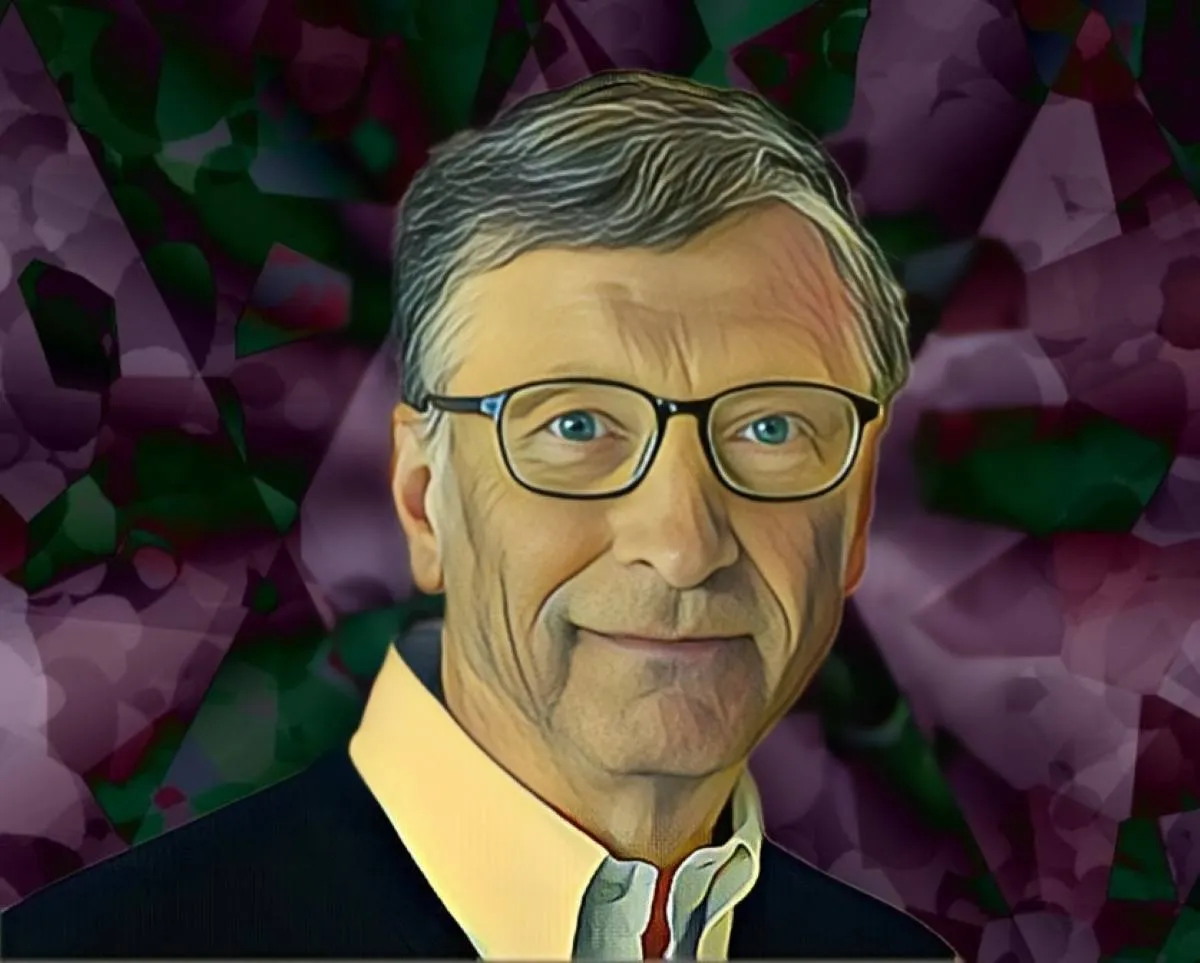
Bill Gates puts Africa at core
Bill Gates, who co-founded Microsoft and later established the Gates Foundation, has made malaria prevention one of his signature causes. Speaking at the African Union headquarters in June, he reaffirmed his plan to give away most of his $200 billion fortune over the next two decades, with Africa at the center of that pledge. “The majority of that funding will be spent on helping you address challenges here in Africa,” Gates told African leaders, urging them to keep health and development at the forefront despite economic and political pressures.
He pointed to countries such as Ethiopia, Rwanda, Nigeria, Mozambique, Zimbabwe, and Zambia as proof that determined leadership and homegrown solutions can deliver progress. From expanding health systems to reducing child mortality and using new tools against malaria and HIV, Gates said Africa is already showing the world that it can drive its own breakthroughs.