


Table of Contents
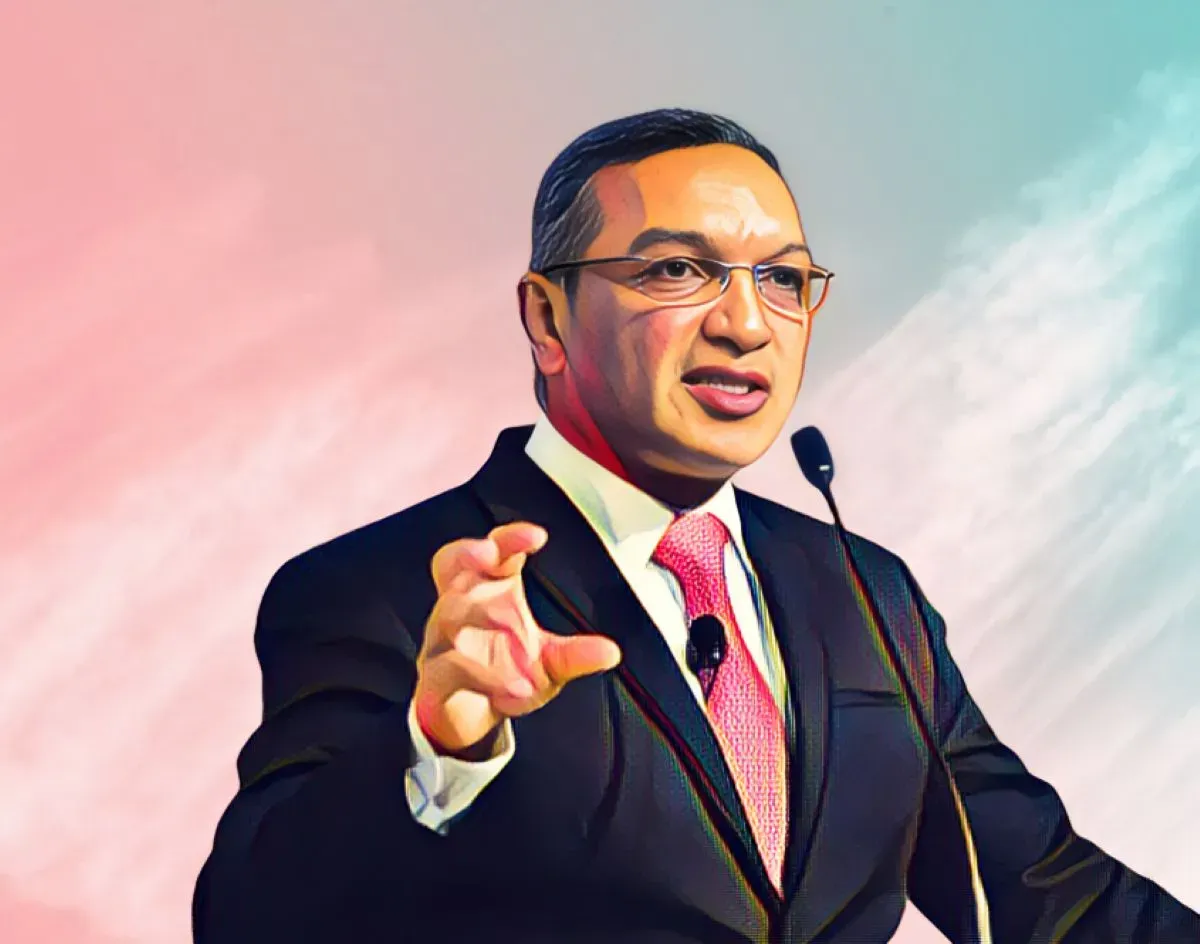
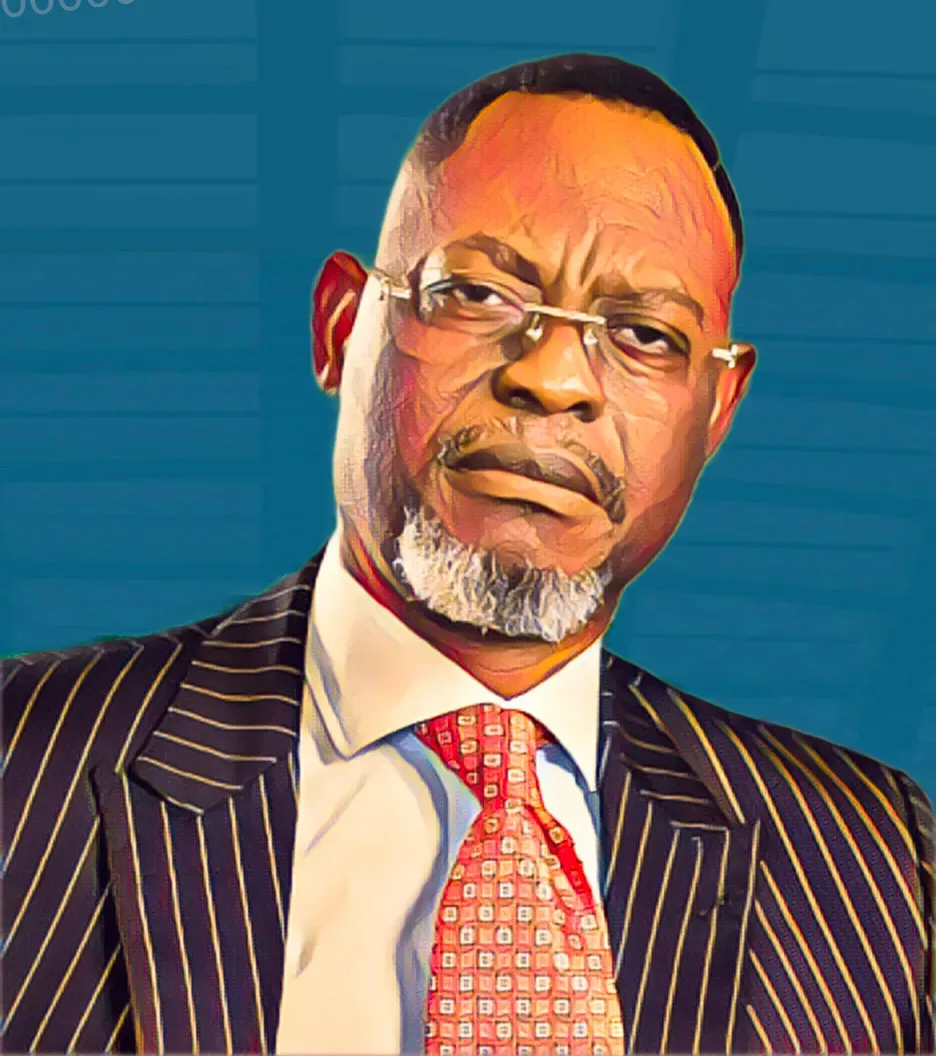
Gauteng-based energy and chemicals company Sasol, led by South African executive Simon Baloyi, is working to manage the impact of new U.S. tariffs that threaten $80 million in annual chemical exports. While the company expects to absorb some of the 30 percent tariff, it plans to pass part of the increase to customers and redirect products to Asia where possible.
Company expects $80 million impact
The tariffs, imposed by U.S. President Donald Trump and effective this month, could weaken South Africa’s chemical exports to the world’s largest economy. About 10 percent of Sasol’s South African chemical output is sold in the U.S., although the company also operates a substantial chemical business on American soil.
Baloyi downplayed the immediate threat, noting that most U.S. sales are produced locally. “We produce what we sell in the U.S. mainly in the U.S.,” he told investors. Chief Financial Officer Walt Bruns added, “We estimate the impact on our business to be around $80 million, but we believe we can mitigate at least $20 to $30 million. Some customers are willing to absorb higher costs, otherwise we will reallocate products to Asia.”
Sasol posts higher profit despite revenue drop
With operations in 33 countries and a workforce of over 30,000, Sasol remains a key part of South Africa’s energy and chemical landscape, even as shifting global trade patterns require strategic adjustments.
Despite the headwinds from tariffs, the company posted stronger earnings for the year ending June 30, 2025. Revenue fell 9 percent to R249.09 billion ($14.1 billion) from R275.11 billion ($15.6 billion) a year earlier, but net profits rose sharply to R10.60 ($0.60) per share, compared to a loss of R69.94 ($3.97) in 2024.
The improvement was supported by higher chemical prices, lower impairments, and tighter cost controls. Impairments dropped to R20.7 billion ($1.17 billion), down from R74.9 billion ($4.25 billion) the previous year, as Sasol reduced writedowns across its Secunda and Sasolburg refineries, Mozambique gas operations, and Italian chemical plants.
A R4.3 billion ($244 million) legal settlement from state-owned Transnet over historic oil transportation charges further strengthened the company’s balance sheet.
Baloyi leads Sasol amid challenges
Since his appointment in April 2024, Baloyi has steered Sasol through volatile markets, domestic energy constraints, and policy uncertainty. The company again skipped a dividend payout, with net debt standing at $3.7 billion, above its $3 billion limit for shareholder distributions.
Looking ahead, Baloyi is focused on the Lake Charles Chemicals Project in Louisiana, eyeing a potential IPO before 2030. The move highlights his commitment to expanding Sasol’s international presence and creating long-term value for shareholders.