


Table of Contents
Guaranty Trust Bank (GTBank), the banking arm of Guaranty Trust Holding Company Plc (GTCO), has strengthened its capital base with a $238.5-million injection from its parent company. Led by Segun Agbaje, this move raises GTBank’s paid-up capital to $328.5 million, meeting regulatory requirements for commercial banks with international authorization.
Strategic support and growth drive
According to its recent disclosure, the capital injection lifted GTBank’s paid-up capital from N138.19 billion ($90.05 million) to N504.04 billion ($328.5 million), keeping it fully compliant with the Central Bank of Nigeria’s new minimum capital rules. The bank remains wholly owned by GTCO, with no director holding a personal stake.
The new funds, following an earlier $136.26 million raised in January 2025, will support branch expansion, asset growth, and technology upgrades. The boost came through the issuance of 6.99 billion ordinary shares to GTCO, funded under the group’s $750-million shareholder-approved equity program aimed at strengthening growth and stability.
In July, GTCO also secured a secondary listing on the London Stock Exchange, becoming the first West African lender on its main market. The listing admitted more than 36.4 billion shares already quoted on the Nigerian Exchange, valuing the group at N3.35 trillion ($2.18 billion). It expands GTCO’s global investor reach and places it alongside other Nigerian companies on the LSE, including Airtel Africa and Seplat Energy.
Future outlook
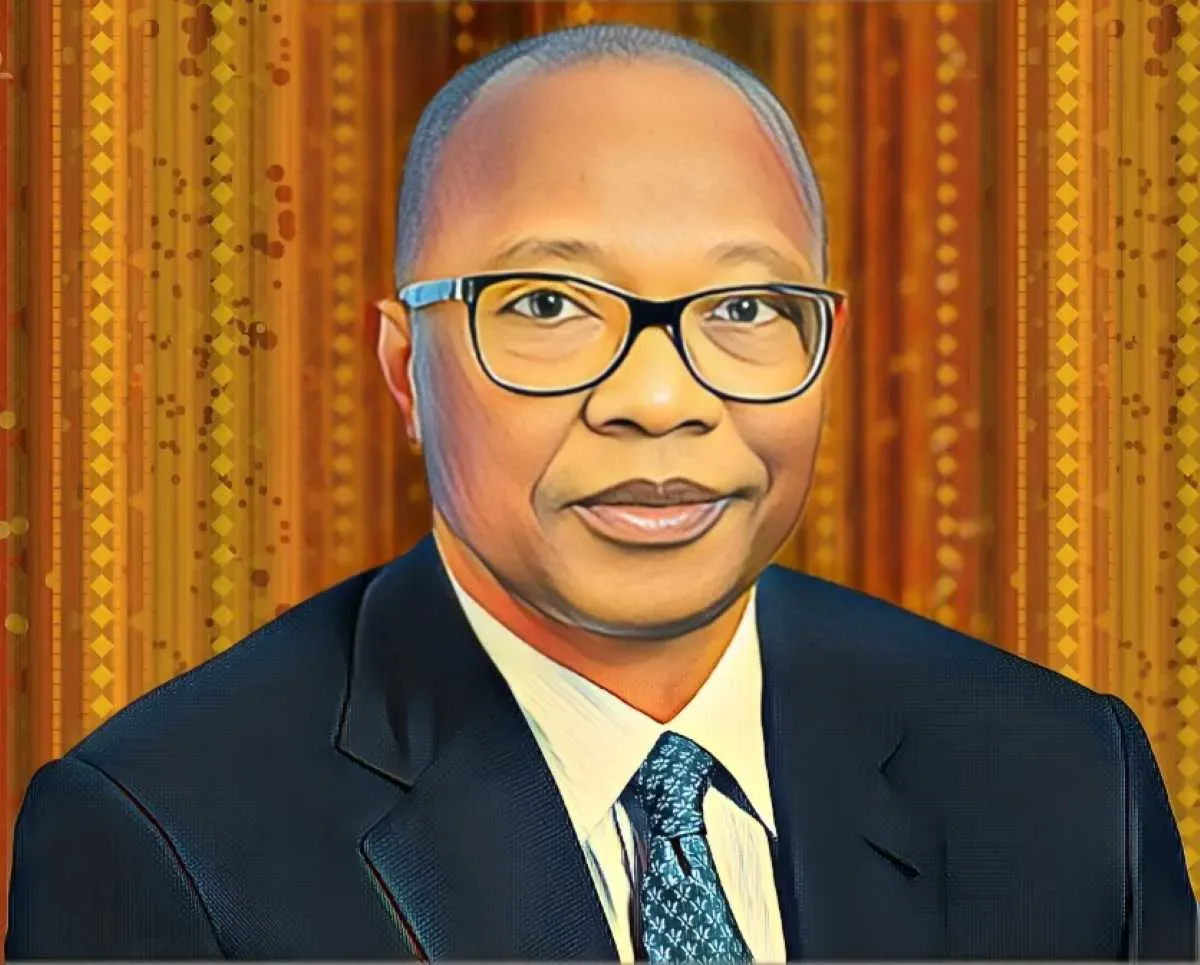
Under Segun Agbaje, GTCO has expanded beyond traditional banking, building a broader portfolio that includes pensions, asset management, and digital payments. Agbaje, who holds a 0.14 percent stake in GTCO and also serves on the Mastercard Advisory Board for the Middle East and Africa, has guided the group into a leading African financial services player with nearly 40 million customers across ten African countries and the United Kingdom.
GTCO has signaled its ambition to become the first Nigerian company to deliver $1 billion in annual profit. Its continued focus on digital infrastructure, regional expansion, and asset growth reflects a strategy to remain one of Africa’s most competitive financial institutions, while aligning with Nigeria’s broader target of building a $1 trillion economy by 2030.