

Table of Contents
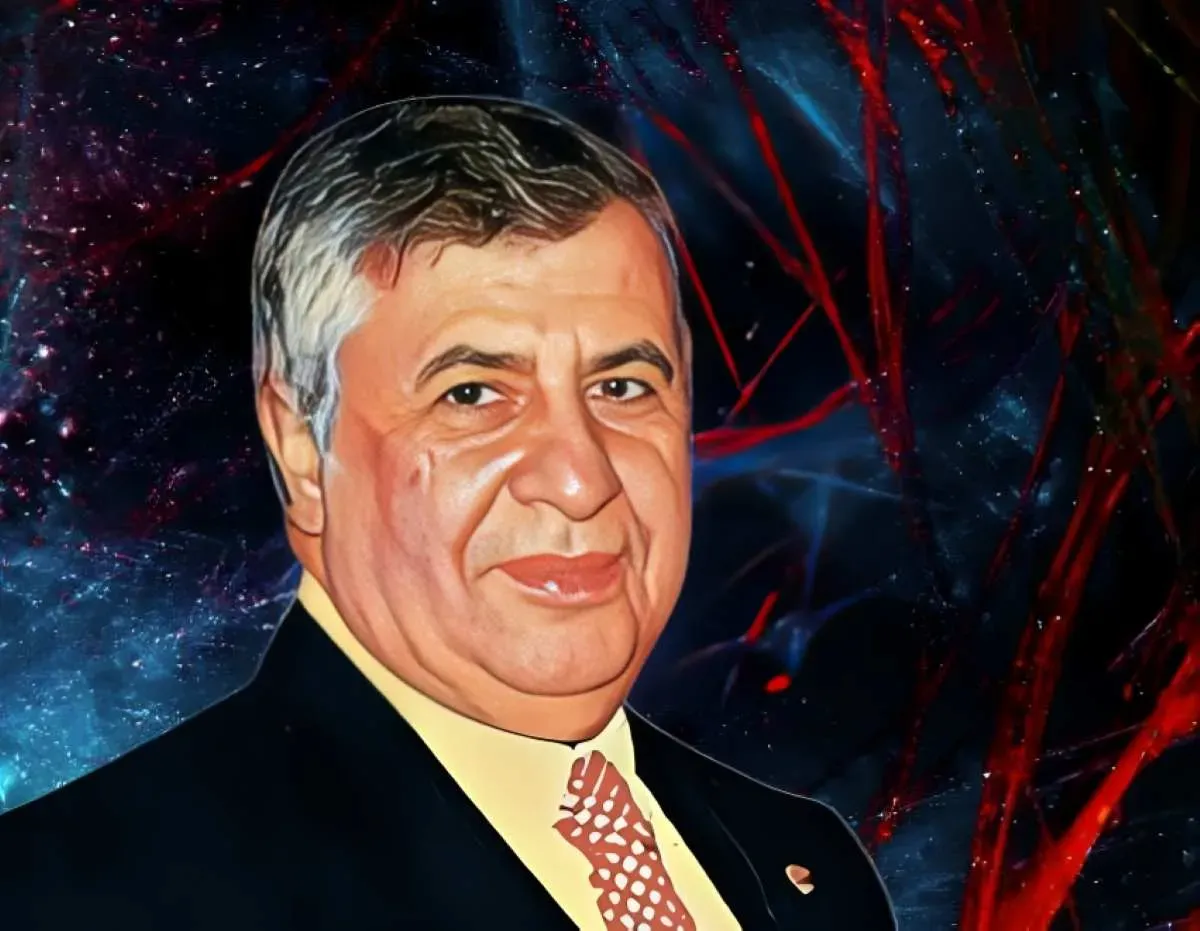
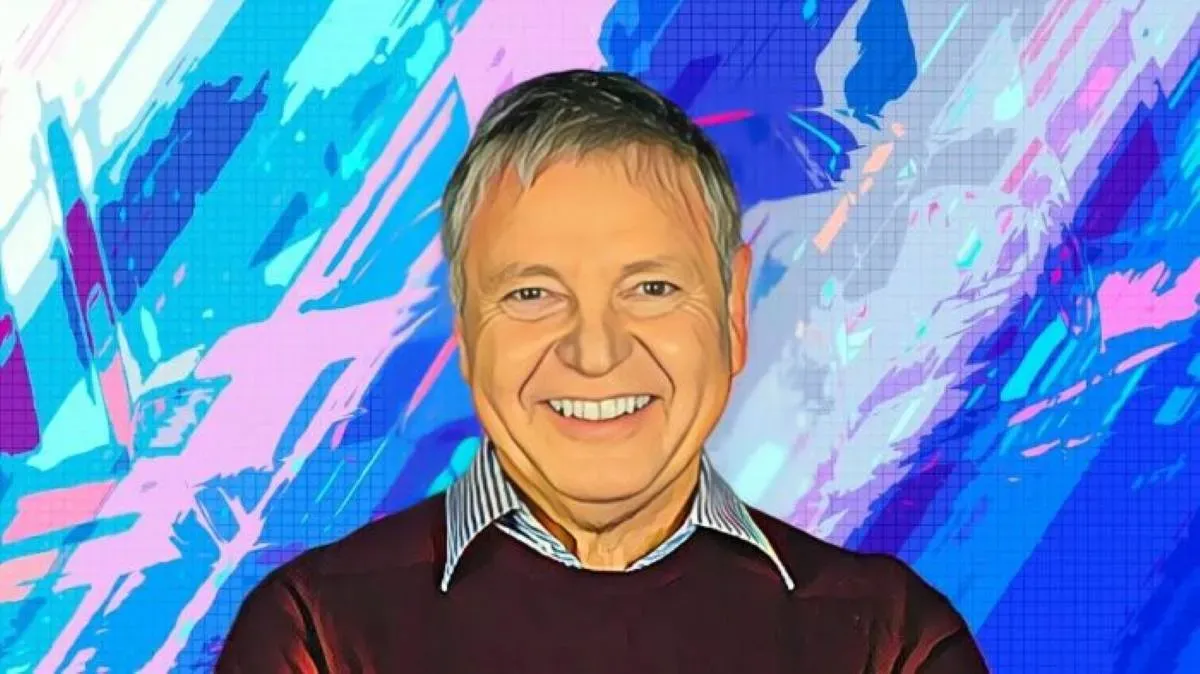
South African billionaire Michiel le Roux, the low-profile banker who built Capitec into a household name, has once again stepped into the political arena — this time not with words, but with a checkbook.
Le Roux’s investment firms, Fynbos Kapitaal and Fynbos Ekwiteit, together pumped R25 million into the Democratic Alliance (DA) during the first quarter of the 2025/26 financial year, according to figures released by the Electoral Commission of South Africa (IEC) on Monday. The disclosure makes him the single largest political donor of the quarter — and cements the DA’s position as the best-funded opposition party in the country.
The billionaire banker behind Capitec
Le Roux, 74, is not a political newcomer. Long before Capitec was a fixture in every South African township and shopping mall, he was a banker with a reputation for disciplined risk management and sharp instincts. He founded Capitec in 2001 and grew it into the nation’s largest retail bank by customer numbers, targeting low- and middle-income earners that the big four banks often overlooked.
That formula turned into one of the great business stories of post-apartheid South Africa. Today, with an estimated fortune of $2.6 billion (about R460 billion), Le Roux ranks as the country’s fifth-richest individual. Despite his wealth, he has kept a famously quiet public profile — avoiding the flash of Sandton’s billionaires’ row and instead focusing on investments that reflect his belief in lean, efficient business models.
Why the DA?
His latest foray into political giving highlights another dimension of his influence. Together, his two companies accounted for nearly 80% of all declared donations this quarter, outpacing contributions to every other party combined. The DA collected more than R32 million in the quarter, while the African National Congress (ANC) managed just R7.6 million and ActionSA trailed with R520,000, according to IEC filings.
The reasons for Le Roux’s preference for the DA are not spelled out in the report, and he has rarely spoken publicly about his political leanings. But the scale of his giving underscores a view long held in South African corporate circles: that the DA, with its pro-market stance and emphasis on clean governance, is often seen as a safer bet for business interests concerned about corruption and policy drift under the ANC.
Wealthy donors reshape political funding
Le Roux was not alone in bankrolling the DA. Businessman Petrus Johannes Mouton’s Jufrapi Investment and Main Street 1564 added R1.46 million between them, while the Friedrich Naumann Foundation chipped in R1 million in skills training support. Smaller contributions, ranging between R100,000 and R1 million, came from a mix of local and international backers.
Even so, the outsized role of one donor has stirred debate about the influence of big money in South Africa’s young democracy. Political analysts note that the DA’s donor base has narrowed to a few extremely wealthy individuals — a strength in terms of immediate resources, but also a vulnerability should those benefactors pull back.
The ANC, once dominant in both politics and fundraising, now relies heavily on Chancellor House, its investment arm, to keep donations flowing. ActionSA reported only the personal contribution of its founder, Herman Mashaba.
Changing the rules of the game
The IEC report also comes as new rules on political funding are being phased in. Under amendments to the Political Funding Act that take effect this August, the disclosure threshold for donations has been raised from R100,000 to R200,000, while the maximum allowable annual donation per donor doubles from R15 million to R30 million.
That change could pave the way for even larger contributions from billionaires like Le Roux, making transparency and disclosure even more crucial in the months leading up to South Africa’s 2026 local elections.