

Table of Contents
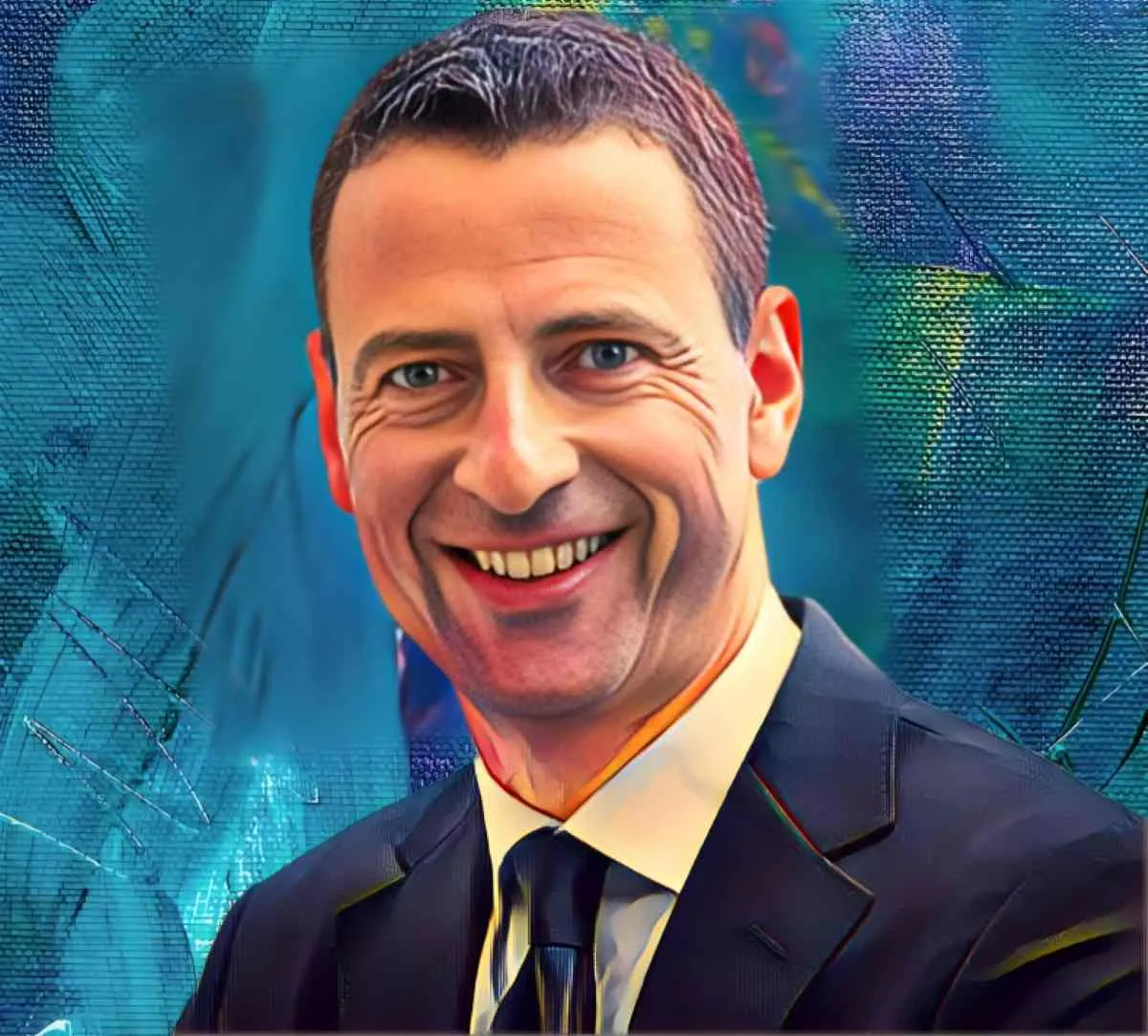
Glencore Plc, the Swiss commodities group led by South African executive Gary Nagle, has opened a consultation process at its South African ferrochrome joint venture with Merafe Resources, signaling the possibility of job losses. The move comes just months after some of the venture’s smelters were taken offline.
The talks focus on two plants that were shut in May, part of ongoing measures to address rising economic pressures. Since 2020, four of the joint venture’s five complexes—used to convert mined chrome ore into ferrochrome for stainless steel—have been mothballed, while the remaining one has been idled for maintenance. Glencore owns 79.5 percent of the venture, with Merafe holding the remainder.
Struggles in South Africa’s ferrochrome industry
Once the world’s largest producer of chrome ore, South Africa’s ferrochrome sector has been hit hard by steep electricity costs and competition from Chinese smelters. Efforts to ease the pressure—including talks with government officials on cheaper power and export rules—have yet to produce lasting solutions.
Merafe Resources, which holds a 20.5 percent stake in the venture, said in a statement, without specifying the number of jobs at risk: “The ongoing economic pressures facing the South African ferrochrome industry and the lack of sustainable solutions in the near to medium term necessitate this consultation.”
The venture has sought to reduce energy costs through the 100 MW Sonvanger Solar PV plant, intended to provide more reliable and affordable power. Despite this investment, high electricity tariffs, loss of competitiveness, and uncertainty over export taxes continue to challenge the business. Nagle and the Glencore board are now steering the restructuring, balancing plant closures, temporary suspensions, and the need to keep operations viable.
Global reach, local pressures
Founded in the 1970s, Glencore has grown into one of the world’s largest resource companies, operating in 35 countries with about 150,000 employees. It is a key supplier of nickel, cobalt, and copper, essential for electric vehicles, renewable energy, and the transition to cleaner power.
As CEO, Nagle has overseen Glencore’s global strategy while closely monitoring its South African ferrochrome unit. The company has largely avoided major asset sales, instead adjusting production to meet market conditions. That approach is now being tested as local operations face high energy costs and regulatory uncertainty.
Glencore reported first-half 2025 revenue of $117.4 billion, nearly unchanged from $117.1 billion a year earlier, despite weaker coal prices and lower copper output. While the broader group remains stable, repeated shutdowns at the South African ferrochrome business show how local challenges can limit even a global powerhouse’s resilience.