

Table of Contents
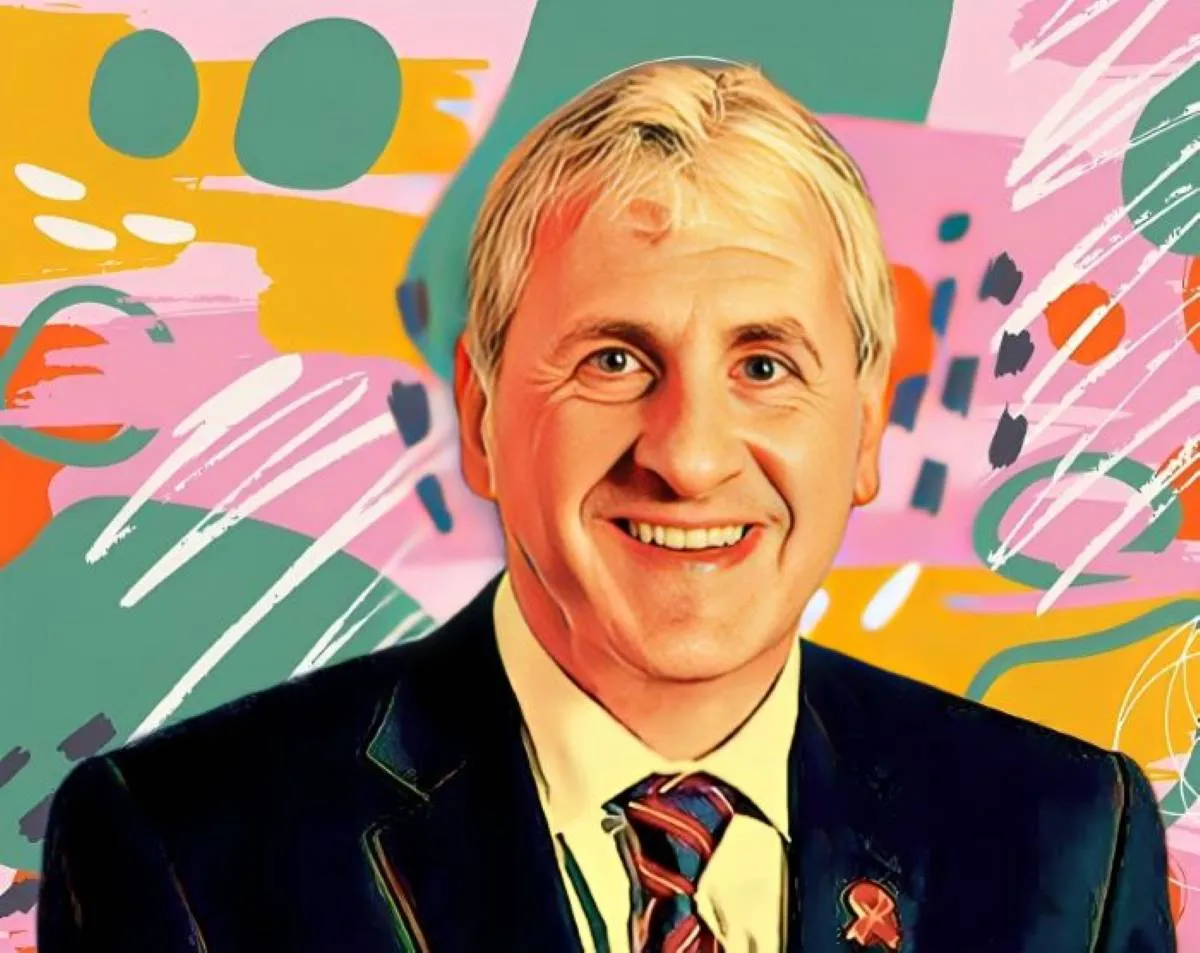
South African pharma tycoon Stephen Saad, who leads Aspen Pharmacare Holdings, Africa’s largest drugmaker, says he wouldn’t be surprised if the company’s new weight-loss product tops $50 million in sales within two years. His confidence comes as Aspen secures regulatory approval to launch an injector pen version of Mounjaro in South Africa.
The pen format is designed to make the blockbuster GLP-1 drug easier for patients to use, following its initial rollout in vials for Type 2 diabetes last December. The move places Aspen in more direct competition with Novo Nordisk, whose own GLP-1 drugs have been reshaping the fast-growing diabetes and weight-loss market.
Stephen Saad bets big on Mounjaro
“This product wouldn’t surprise me if it gets to a billion rand in sales within two years,” Saad said in an interview. He noted that Mounjaro has already been a major driver of South Africa’s GLP-1 market, which grew more than 130 percent over the past year. The boom is being fueled by rising rates of diabetes and obesity, conditions that are increasingly common across the world.
The GLP-1 sector is forecast to be worth hundreds of billions of dollars by 2030, with Novo Nordisk and Eli Lilly dominating the field. Demand is growing not only for diabetes treatment but also for obesity and cardiovascular care, alongside newer oral versions of the drugs.
Aspen’s launch comes just weeks after Novo Nordisk introduced Wegovy in South Africa as part of a broader push across the continent. Saad said Aspen is seeking approval for Mounjaro’s use in chronic weight management and is registering the drug across sub-Saharan Africa, with the injector pen expected to be part of the rollout.
Beyond Africa, Aspen is eyeing opportunities in markets where patents on semaglutide drugs expire from 2026. In Canada, for example, its application has already cleared an initial review. Aspen’s approach blends its own drug development with licensing deals to widen its portfolio.
Aspen faces setback amid contract dispute
Founded in 1997 under the leadership of Stephen Saad, Aspen has grown into Africa’s largest drug manufacturer and an important supplier of specialty medicines across the world. Saad, who has served as CEO since 1999, co-founded the company and remains its largest shareholder with more than 58 million shares, representing a 13 percent stake.
But the company has recently run into difficulties. Aspen reported a loss of R1.08 billion ($61.34 million) in its latest financial year, a sharp reversal from the R4.4 billion ($249.36 million) profit it posted previously. The downturn was tied in part to a contract dispute over mRNA production, which contributed to a 3 percent drop in revenue to R43.36 billion ($2.46 billion).