

Table of Contents
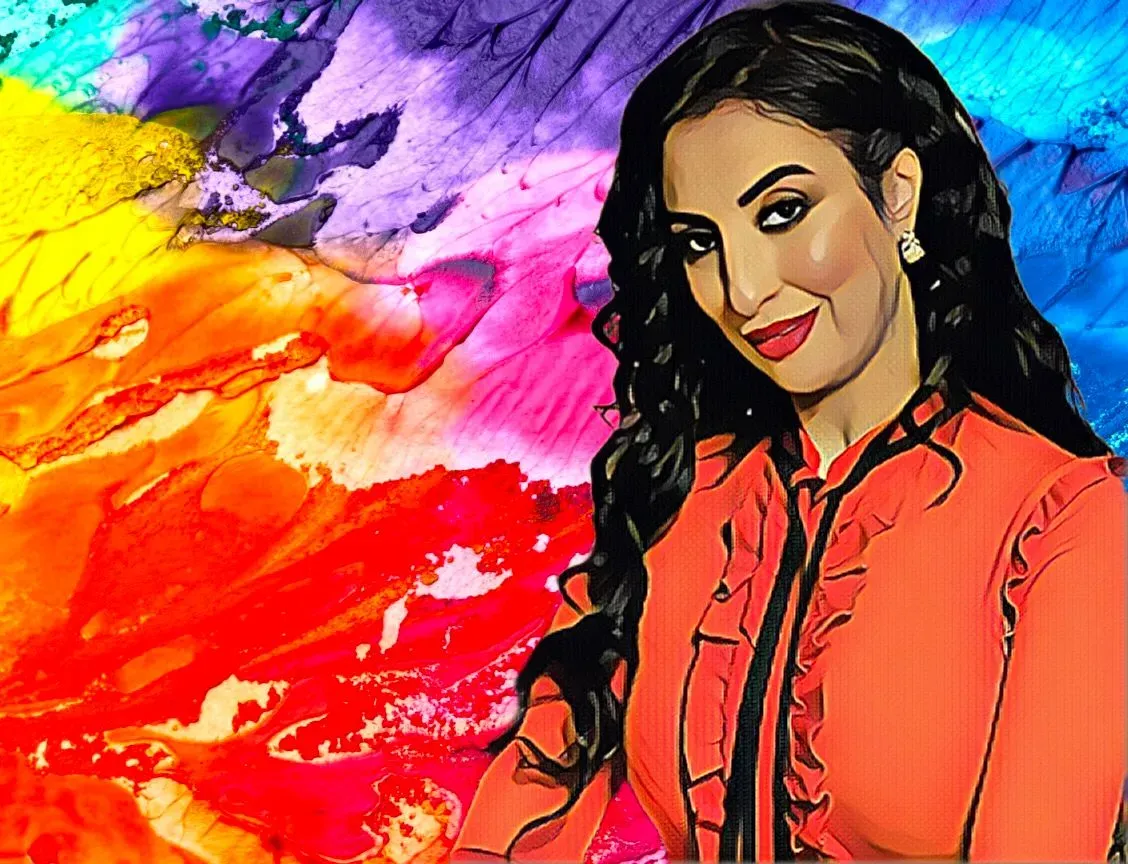
Salwa Idrissi Akhannouch is often described as Morocco’s richest woman. The 56-year-old sits atop Aksal Holding, a retail empire that changed the way Moroccans shop and how global brands see the country.
Her background gave her an early push. Born in Casablanca, she grew up in a family already tied to commerce. Her grandfather, Haj Ahmed Benlafkih, made his fortune in the tea trade decades earlier. But heritage alone doesn’t explain where she ended up. In the mid-1990s, before Aksal was even an idea, Salwa was already experimenting. She launched a distribution company called Espacia in 1994, testing the waters of Morocco’s fast-changing consumer scene. It wasn’t glamorous, but it gave her the map she would later draw on.
Opening the doors to global brands
The real break came in 2001 when she struck a deal with Spain’s Inditex, the giant behind Zara. It was bold at the time—fast fashion was just beginning to ripple across North Africa. Three years later, she opened Morocco’s first Zara flagship store, and from there she never looked back. By 2004, Aksal Holding was born.
She didn’t just sign Zara. Over the years, she brought in Banana Republic, Gap, Pull & Bear, Massimo Dutti, Gucci, Fendi, Ralph Lauren—the sort of mix that turned Casablanca’s shopping districts into a miniature global runway. Salwa wasn’t chasing numbers alone; she curated carefully, betting on the labels that could hook Morocco’s growing middle class and its aspirational shoppers.
Morocco Mall: Her landmark statement
Nothing made her ambition clearer than Morocco Mall. The sprawling glass and marble complex opened in 2011 at a cost of roughly $250 million. Half owned by Aksal, it remains one of the largest shopping centers in Africa.
More than a mall, it was a statement. Casablanca suddenly had a destination where shoppers could browse Louis Vuitton, sip coffee overlooking the Atlantic, and watch an indoor aquarium in the same afternoon. For tourists, it became a stop on the itinerary; for locals, it redefined what retail could look like.
Creating her own brands
Importing labels wasn’t enough. In 2017, she launched Yan&One, her own beauty and cosmetics brand. The stores were designed as “smart shops,” blending digital screens with try-it-yourself counters, pushing the idea that Morocco could export style, not just import it. Yan&One was her way of proving that Moroccan creativity belonged on the same stage as the brands she had brought in.
Building skills, giving back
Running luxury operations requires more than money; it needs people trained to deliver the experience. That’s why she set up the Aksal Academy, a training ground for managers, designers, and retail staff. On the philanthropic side, the Aksal Foundation channels money and resources into programs for women, youth, and cultural projects. For Salwa, those investments weren’t charity as much as infrastructure—preparing a workforce and community to sustain the glossy world she was building.
The business reality
Of course, the empire isn’t bulletproof. High-end retail is fragile, tossed around by global supply chain snarls, shaky currencies, fickle consumer tastes, and the endless rise of online competitors. Convincing Moroccan consumers to choose luxury purchases at home instead of abroad demanded determination and clever marketing moves. She has hammered out franchise terms, pushed through knotty real-estate deals, and then done the unglamorous day-to-day work—tenant mix, events, upkeep—to keep a sprawling mall buzzing.
Still, despite those challenges, Aksal’s breadth and influence stand out clearly. The group employs more than a thousand people, holds exclusive rights for over 40 major international brands, and brings in billions of dirhams in annual sales. Analysts put turnover in the neighborhood of 5 billion MAD—roughly half a billion dollars. The Morocco Mall alone draws millions through its doors every year.
Recognition and Influence
Salwa’s personal life often makes headlines—she’s married to Aziz Akhannouch, Morocco’s prime minister and a wealthy businessman in his own right. But her business achievements stand on their own. She chooses the brands, shapes the mall designs, and signs off on strategy. That’s why her name shows up consistently on Forbes Middle East’s lists of the region’s most powerful businesswomen.
The next chapter
Lately, her focus has been shifting. The old model—signing more franchises, opening more physical stores—isn’t enough in a market where shoppers live on their phones. She’s steering Aksal into digital commerce, lifestyle ventures, and expanding her own beauty lines. Online luxury shopping is rattling the traditional playbook, but for someone like Salwa, it’s also an opening. Younger Moroccans, raised on global culture, expect to move seamlessly from browsing in a mall to buying on a screen. Aksal’s investments in smart retail and digital platforms show she plans to meet them there.
For women in business across North Africa, Salwa has become a symbol. The path hasn’t been free of stereotypes or resistance—structural barriers remain—but she has carved out authority in a space long dominated by men.