


Table of Contents
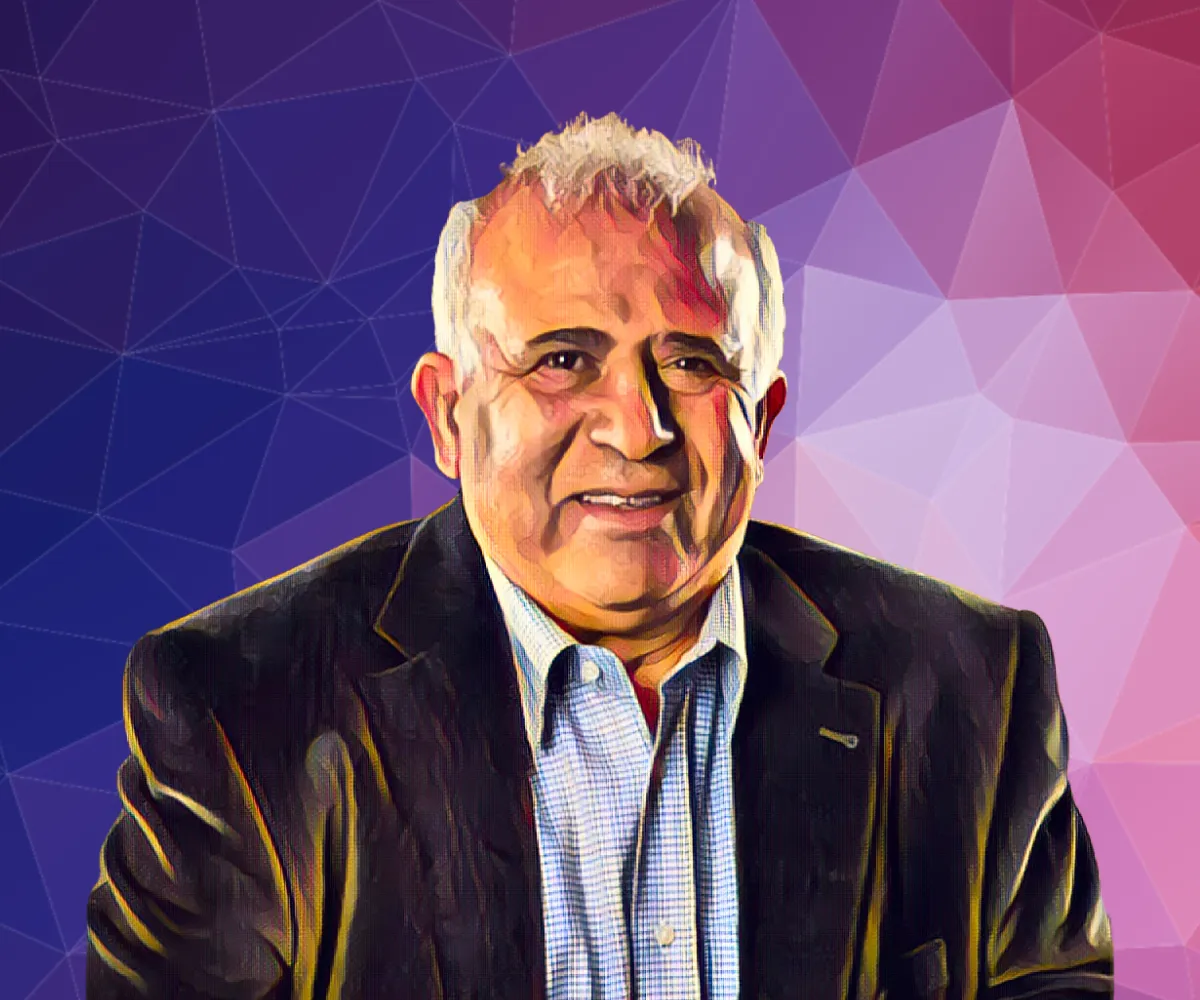
Glencore Plc, the Swiss commodities group led by South African executive Gary Nagle, and global trading rival Vitol are preparing formal offers for Chevron’s 50 percent stake in Singapore’s second-largest refinery, according to five people familiar with the matter.
The refinery, valued at about $1 billion, sits on Jurong Island and processes roughly 290,000 barrels of crude per day. PetroChina, which owns the other 50 percent through its Singapore Petroleum unit, holds first right of refusal but has not said whether it intends to bid.
The shortlisted bidders are expected to submit binding offers in October, the people said. Chevron, Vitol and Glencore declined to comment. Morgan Stanley, which is managing the sale along with other Asian assets, also declined.
Strategic push in Asia-Pacific
For both Glencore and Vitol, the acquisition would expand refining capacity and trading reach in the Asia-Pacific region. Singapore is the world’s largest bunkering hub, making the refinery a strategic foothold for blending, storage and re-exports.
Vitol already owns a 32,000-barrel-a-day plant in Malaysia, along with stakes in storage facilities and Australia’s 120,000-bpd Geelong refinery. Glencore, meanwhile, recently completed the purchase of Shell’s former refining and chemicals business on Pulau Bukom and Jurong Island through its Aster Chemicals and Energy joint venture with Indonesia’s Chandra Asri. Aster operates a 237,000-bpd refinery and petrochemical complex.
The U.S. oil major is cutting as much as $3 billion in costs by 2026. Alongside its Singapore stake, it is also seeking buyers for terminals and retail fuel assets in Australia, the Philippines and Malaysia. Sources said the assets may be sold together or separately.
Glencore balances expansion and domestic pressure
Founded in the 1970s, Glencore has grown into one of the world’s largest resource groups, employing about 150,000 people in 35 countries. It is a major supplier of nickel, cobalt and copper, key materials for electric vehicles and renewable energy systems.
The company reported first-half 2025 revenue of $117.4 billion, little changed from a year earlier despite weaker coal prices and reduced copper output. Under Nagle’s leadership, Glencore has resisted large-scale divestments, instead adjusting production to market conditions.
At home, the miner faces pressure in South Africa, where it is in talks with the government to prevent job losses at its ferrochrome operations with partner Merafe Resources. Glencore has opened a consultation process that could affect thousands of workers if smelters are idled. The company recently announced plans to invest $13.5 billion in copper mining projects in Argentina, underscoring its focus on securing long-term supply for the clean-energy transition.