


Table of Contents
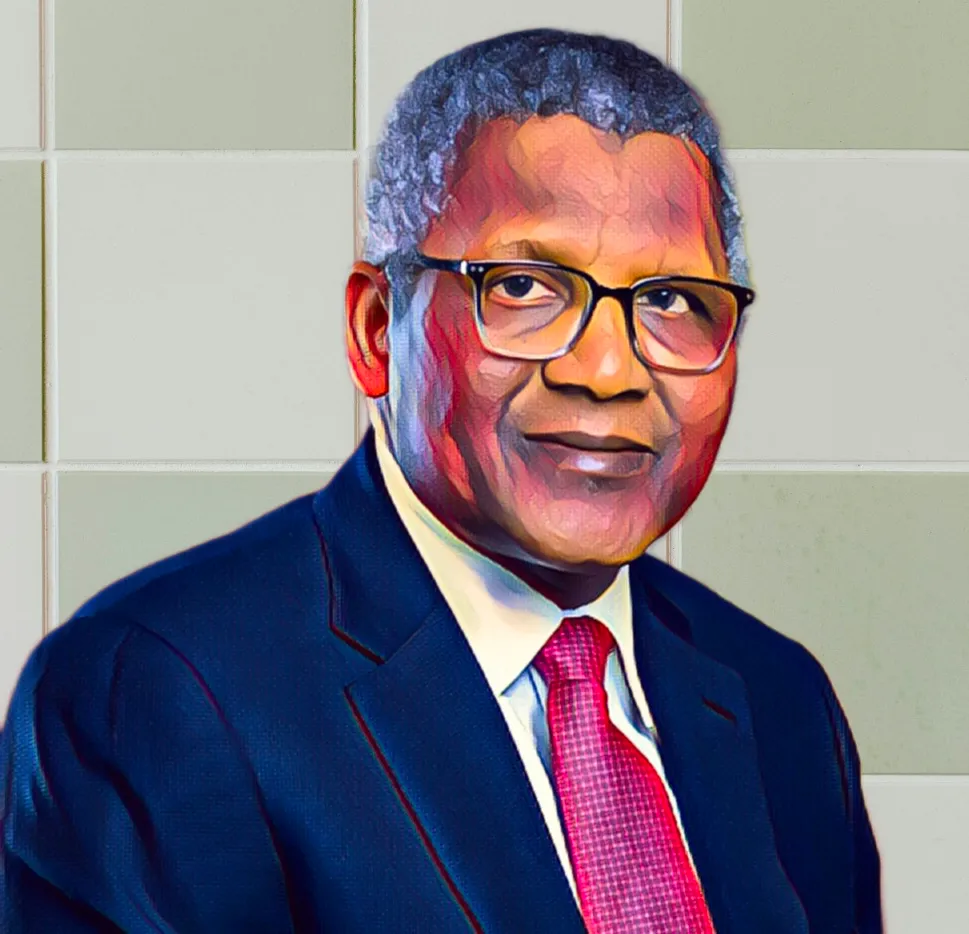
Abdul Samad Rabiu, chairman of Nigerian industrial powerhouse BUA Group, offered an upbeat assessment of President Bola Tinubu’s economic reforms, saying they are beginning to ease inflationary pressures and shore up the naira even as the country continues to grapple with slow growth and high living costs.
Rabiu, one of Nigeria’s most influential business leaders and a longtime advocate of pro-market policies, spoke after meeting Tinubu in Abuja. He credited the administration’s reforms for helping bring down the prices of staples like flour, pasta and semolina — products central to BUA’s food businesses — and for restoring a measure of confidence to the foreign exchange market.
Food prices show signs of easing
Rabiu said that duty waivers on critical food imports, particularly wheat, have allowed manufacturers to reduce production costs and pass savings on to consumers. He cited recent price drops in flour and pasta as evidence that policy changes are working.
“This is the kind of bold action we need to stabilize the economy,” Rabiu said. “The effects are beginning to reach the ordinary Nigerian, and that’s what really matters.”
Nigeria has faced steep food inflation in recent years due to a mix of currency volatility, high transport costs and supply disruptions. The latest data, while still showing double-digit increases in food prices, indicates a slight slowdown — a shift that economists say could become more pronounced if exchange-rate stability holds.
Naira strengthens as businesses adapt
Rabiu also pointed to the recent appreciation of the naira, which has strengthened to below ₦1,500 per dollar after hitting historic lows earlier in the year. He expressed hope that continued reforms in monetary policy and the government’s efforts to check speculative activity could see the currency move toward ₦1,300–₦1,400 in the coming months.
According to Rabiu, a growing number of Nigerian businesses are now sourcing for foreign exchange through overseas banking channels and other sources rather than depending primarily on the Central Bank of Nigeria. That shift, Rabiu argued, reflects increased confidence in the foreign exchange framework and reduces pressure on government reserves.
“Businesses need predictability, and the steps being taken now point in the right direction,” he said.
Private sector calls for patience
Rabiu urged Nigerians to be patient as the reforms take hold, acknowledging that structural adjustments often take time to produce broad-based benefits.
“Reforms of this scale are never painless, but they set the foundation for a stronger economy,” he said. “The private sector stands ready to support policies that promote investment, create jobs and lift living standards.”
BUA Group, one of Africa’s largest conglomerates, has been a significant beneficiary of infrastructure and trade policy reforms. The company operates major cement plants, sugar refineries and food-processing facilities, and is continuing to expand production capacity despite a challenging business climate.
Rabiu’s remarks align with the administration’s narrative that the short-term costs of subsidy removal and exchange-rate unification will give way to longer-term stability and growth.