

Table of Contents
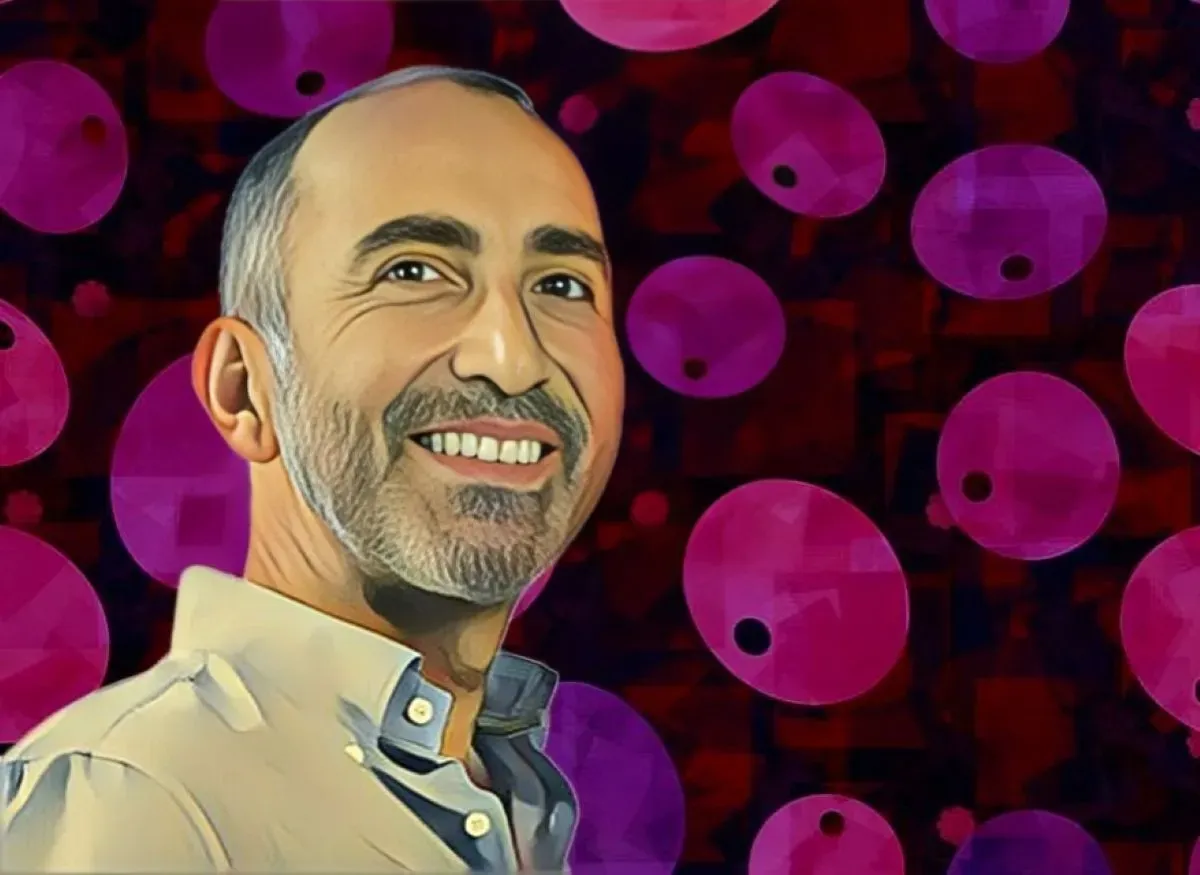
Hassanein Hiridjee, chief executive officer of the Axian Group, said the future economic engine of Africa will come from its informal sector, and that unlocking access to finance for small firms will be essential for the continent’s development.
In an interview with Africa Radio, Hiridjee acknowledged that African nations must contend with climate change, food insecurity and energy constraints, but he emphasized that the continent has abundant solutions and is ready to act. He said the private sector already is demonstrating that readiness through “nature-based” projects — for instance planting mangroves, trees and bamboo to absorb carbon — and called for more industrialization built on clean, renewable energy.
Hiridjee argued that Africa does not need a few mega-startups or “unicorns,” but millions of small and medium enterprises (SMEs) generating modest revenues that remain close to the people. “We need 3 million SMEs that make $100,000 in revenue” rather than “3,000 unicorns making a billion dollars,” he said. He insisted these enterprises must be powered by “decarbonized” energy solutions such as solar installations, particularly in regions where the national grid fails to meet demand.
Yet, Hiridjee said access to capital continues to be a major hurdle. He noted that African borrowers pay 300 to 500 basis points more than their counterparts in Latin America for similar risk profiles, which he described as “not normal.” He urged rating agencies and financial institutions to change their perception of risk on the continent. While large corporations often receive financing, SMEs still struggle to secure funding. He pointed out that digital tools, nano-credit and buy-now-pay-later schemes are emerging but often bypass informal operators, even though demand exists widely.
“The real problem,” he said, “is that we limit ourselves to the formal sector. The lung of Africa will come from the informal sector. Whoever succeeds in addressing it, helping it and accompanying it, will have understood the issues.” He called on innovation — particularly digital and artificial intelligence tools — to help serve that segment of the economy.