


Table of Contents
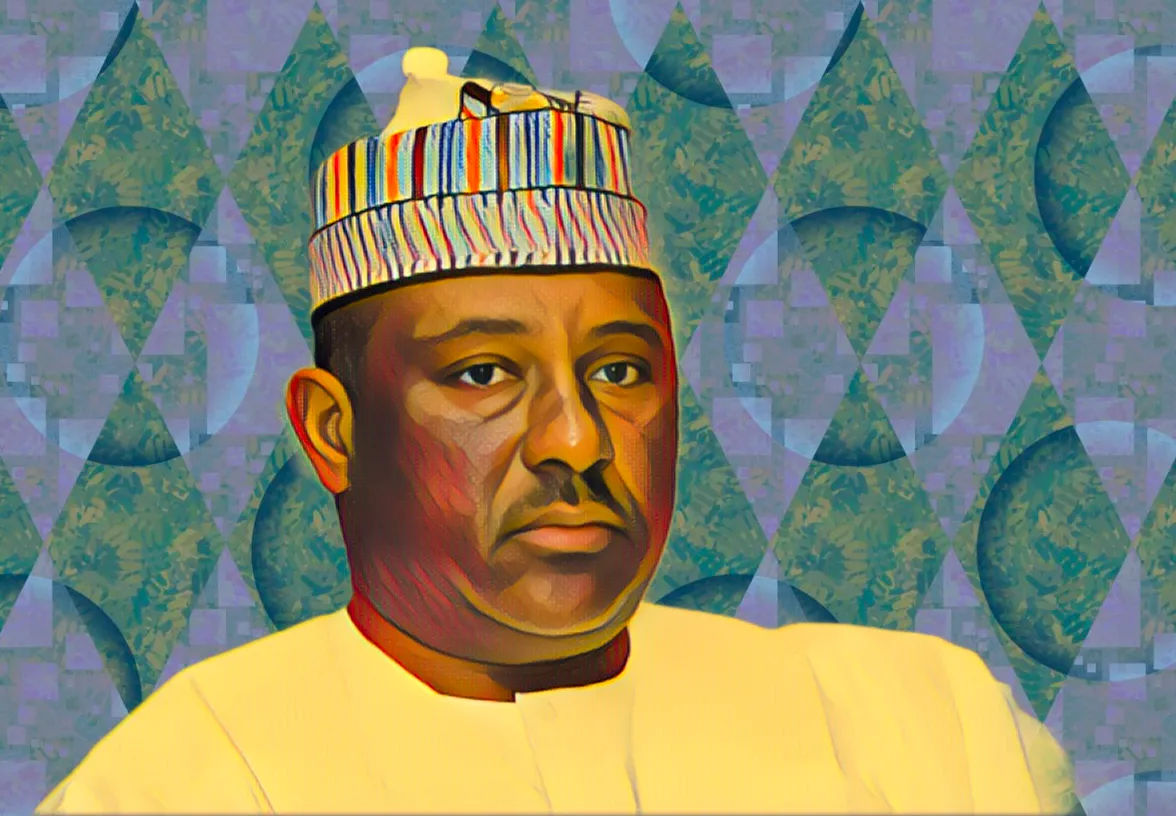
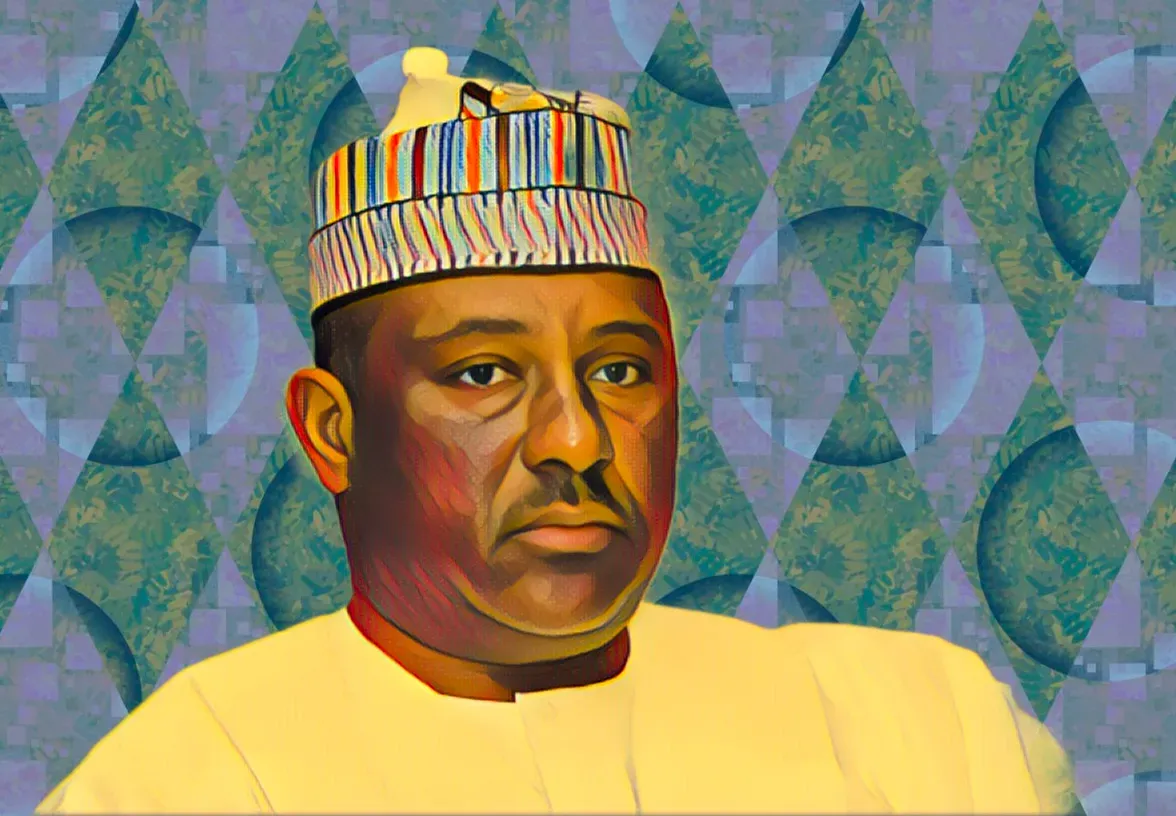
Aliko Dangote is set to visit Zimbabwe on Wednesday to advance a roughly $1 billion industrial investment that bundles cement manufacturing, coal mining and power generation, according to people familiar with the plan.
The Nigerian tycoon is expected to meet President Emmerson Mnangagwa to lock down key terms on mining concessions, fiscal incentives and investment protections. The package, under discussion for months, gained momentum during the Afreximbank annual meetings in Abuja in June, where negotiators narrowed differences and mapped a path to execution.
Harare-based Bard Santner Markets Inc. has been brokering the talks, led by chief executive Senziwani Sikhosana with investment facilitator Josephine Mahachi. On the government side, presidential investment adviser Paul Tungwarara has coordinated policy and regulatory clearances to keep the file moving.
The project would be one of Zimbabwe’s biggest private-sector commitments in more than a decade. Officials say the buildout could create thousands of jobs, expand domestic cement capacity, secure captive coal supply and add firm power to the grid—critical inputs for a manufacturing rebound.
Dangote has explored Zimbabwe before, courting opportunities in 2015 and 2018 that ultimately stalled. This round looks better prepared, with site options, permitting workflows and energy off-take frameworks now scoped out ahead of his visit.
If Dangote proceeds, he’ll be in good company. He would become the second high-profile Nigerian investor with substantial stakes in the country after Benedict Peters—the publicity-shy owner of Aiteo—who has been building a foothold through Bravura Holdings. Bravura secured a platinum concession in Selous in 2019 and has since pushed ahead on platinum and battery-minerals plans, including a lithium project targeting first production at Kamativi in 2025. The twin track—PGMs in Selous and lithium at Kamativi—puts Peters among the more advanced foreign sponsors in Zimbabwe’s minerals sector.
For Dangote Industries, which spans cement, sugar, oil refining and foods across 17 African markets, Zimbabwe offers an integrated play: limestone and coal in proximity, a market that still imports cement during peak demand, and space to add dependable generation to a fragile power system.
Broad contours are in place. The visit is aimed at converting term sheets into binding agreements and sequencing the rollout—cement first, then coal and power—while finalizing guarantees that shield the project from policy drift. If the parties sign off, earthworks could begin soon after, unlocking procurement and contractor mobilization.
Zimbabwe wants large-scale, job-rich investments to anchor its industrial rebuild. Dangote’s return signals fresh appetite to place capital—and test whether the policy assurances now on offer can hold through delivery.