


Table of Contents
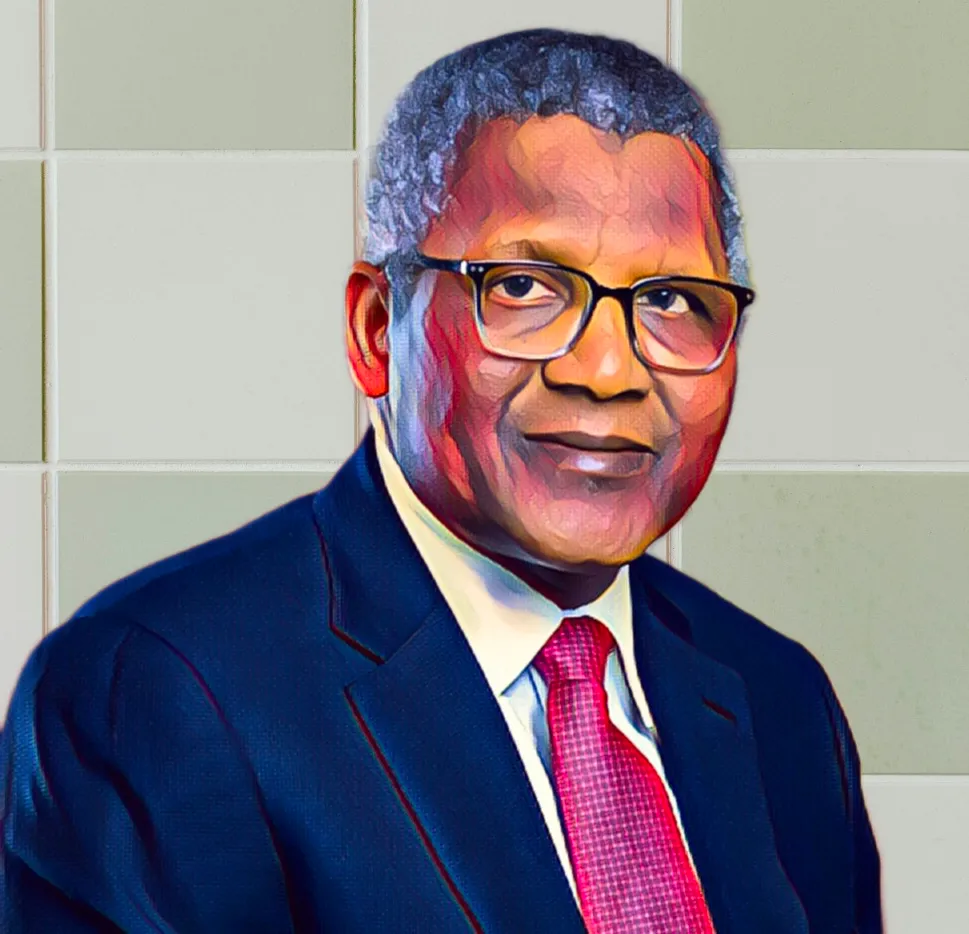
Ernest Azudialu-Obiejesi’s long run as one of Nigeria’s most influential oil magnates is colliding with the cold math of debt.
Days after the Court of Appeal in Lagos reversed key orders of the Federal High Court, a receiver-manager backed by a syndicate of lenders has, as of Dec. 1, retaken control of Nestoil Tower, the glass-and-steel headquarters that anchors Azudialu-Obiejesi’s business empire on Victoria Island.
At the heart of the fight is a disputed web of loans tied to Nestoil Limited and its affiliate Neconde Energy. Court filings in a case brought by FBNQuest Merchant Bank and First Trustees put the companies’ alleged indebtedness at about $1.01 billion and ₦430 billion as of Sept. 30, 2025, with additional obligations personally guaranteed by Azudialu-Obiejesi running into hundreds of millions of dollars and naira.
Those liabilities sit across a sprawling lender group. Over time, the consortium has included Access Bank, Afrexim Bank, Ecobank, First Bank, FCMB, Union Bank, UBA, Zenith, African Finance Corporation (AFC), Fidelity Bank, Mauritius Commercial Bank, Glencore UK and others, reflecting years of syndicated loans, refinancings and restructuring talks.
The debts grew out of syndicated facilities used to back acquisitions and capital projects, including Neconde’s stake in Oil Mining Lease 42 in the Niger Delta and high-profile real estate such as Nestoil Tower, according to court documents. When oil prices slumped, operating costs climbed and production from OML 42 lagged expectations, cash flows struggled to keep pace with dollar loan obligations - a pattern analysts say has battered many indigenous oil firms.
The appeals court order has tilted the balance toward the creditors. The ex parte ruling not only restored the receiver-manager and stayed further proceedings at the lower court; it also reversed steps earlier taken under a Nov. 20 order that had briefly handed momentum back to Nestoil and its promoters.
Nestoil insists it is not insolvent. In public statements and court filings, the company says it remains financially strong and fully operational, and has demanded a forensic reconciliation of its loan accounts, arguing that figures presented by lenders are inflated and contested.