

Table of Contents
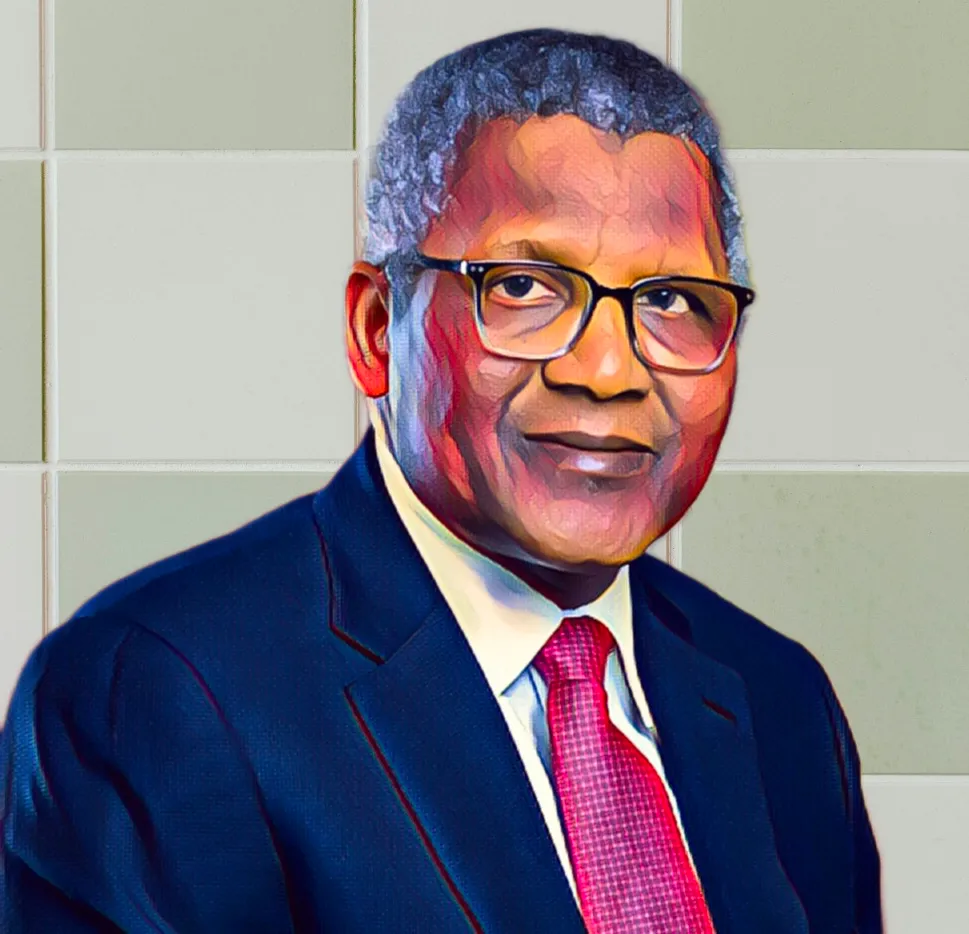
Nigerian billionaire Abdulsamad Rabiu is extending BUA Group’s push into food and agriculture with a new feed mill project in Kano State.
BUA has signed an agreement with Türkiye’s Viteral Integrated Milling Systems to construct a 40-tonnes-per-hour animal feed mill in Kano, according to information shared by the companies. The plant is expected to be completed around mid-2027 and will sit in the state’s grain belt, close to major livestock markets in northern Nigeria.
The planned facility will produce feed for poultry and other livestock, with BUA saying it wants to cut reliance on imported feed and premixes while offering more stable prices to farmers. The company also projects new jobs across grain aggregation, transport and on-site operations once the mill comes onstream.
Rabiu, founder and executive chairman of BUA Group, has been steadily adding to the group’s food footprint, building on existing investments in flour, pasta, rice and edible oils under BUA Foods. The new feed plant fits into that strategy by tying upstream grain supply more directly to the fast-growing poultry and livestock segment.
Nigeria’s animal feed market is estimated to be worth more than $2.5 billion and is expanding as demand for meat, eggs and dairy rises. At the same time, farmers and processors have been squeezed by high feed costs, driven by shortages of corn and soybeans and restrictions on some imports.
By locating the mill in Kano, BUA is betting it can leverage local corn and other raw materials while shortening supply chains into key livestock hubs in the north. Industry analysts say that if BUA locks in consistent grain supply, the project could help ease some of the price volatility that has hit poultry producers over the past few years.
The deal also extends Rabiu’s pattern of partnering with Turkish engineering firms on food-industry capacity. BUA Foods has previously signed agreements with Turkish equipment manufacturers to build new wheat milling plants, lifting its flour capacity and reinforcing the group’s position as one of Nigeria’s largest packaged foods producers.
Rabiu is already known for large-ticket projects in cement and sugar, but the Kano feed mill shows where he sees the next pressure point: animal protein. By tightening up feed supply in the north, he is betting that steady, reasonably priced rations for farmers will become as important to Nigeria’s food security story as new flour mills or sugar refineries.