

Table of Contents
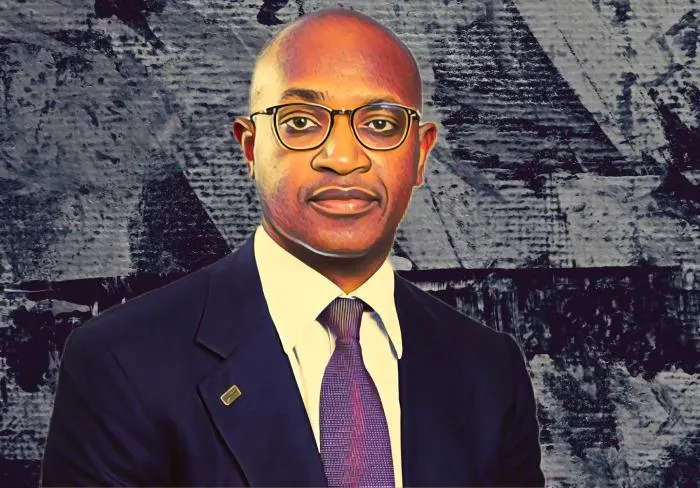
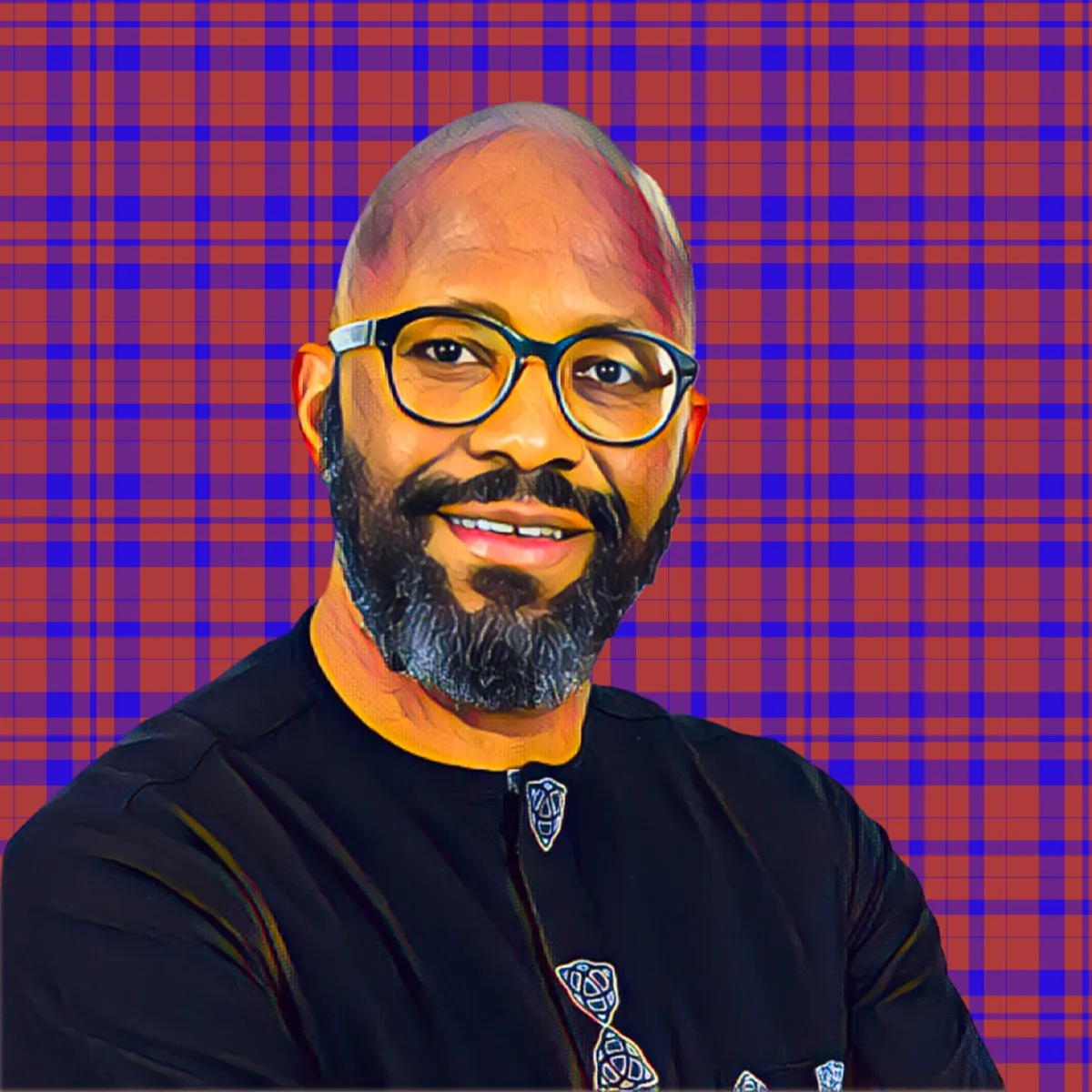
In a year defined by volatile energy markets, shifting regulations and billion-dollar pressure points, one Nigerian executive stood out for his clarity under fire. Sam Nwanze - newly named CFO of the Year at the All Africa Business Leaders Awards - has spent the past decade navigating some of the toughest financial terrains in Africa’s oil and gas sector.
From restructuring a multibillion-dollar acquisition to steering Heirs Energies through a crippling crude-theft crisis barely weeks after taking over an asset, Nwanze has earned a reputation for doing more than balancing books. He’s become one of the continent’s most visible champions of Africapitalism, the Heirs Holdings philosophy that ties commercial returns to long-term socioeconomic impact.
In this candid conversation, Nwanze opens up about the deal that tested his credibility, the nights when cash flows tightened, and why he believes African capital — and African leadership — must take center stage in shaping the continent’s energy future. He also unpacks how Heirs Energies is innovating its financial models, doubling down on gas, and competing in a sector where geopolitics, regulation and market shocks collide daily.
What emerges is a portrait of a finance leader who sees numbers not as the endgame, but as a tool for resilience, discipline and continental transformation.
Below, Nwanze reflects on the decisions, principles and pressures that shaped his award-winning year — and the blueprint he believes can power Africa’s next era of energy leadership.
Congratulations on winning CFO of the Year! Looking back, which financial decision at Heirs Energies tested you most, and what lessons did it offer?
My most challenging financial decision at Heirs Energies began long before the company itself became operational. It started during the acquisition phase, when we set out to raise approximately $2.5 billion to acquire two strategic energy assets — a scale of financing we had never undertaken before.
After successfully raising the capital, we were faced with an unforeseen development: the government of the day approved only one of the two assets. That decision required us to return to our lenders, scale down the financing structure, recalibrate the transaction, and reset expectations. Those conversations were difficult and tested trust and credibility at the highest levels.
Then, barely a month after taking over the asset, we were hit by unprecedented crude theft, which severely disrupted production and cash flows. Yet our financial obligations remained, loans to service, salaries to pay, operations to fund, and a workforce whose confidence and motivation we had to protect. Walking away was not an option.
In response, we had to engineer our way through the crisis — preserving liquidity, prioritising essential expenditure, and making disciplined, sometimes painful decisions to keep the business stable and resilient. That experience reinforced a powerful lesson: leadership in finance goes far beyond numbers. It is about stewardship, composure under pressure, and sustaining belief when conditions are most challenging.
We were strongly supported by our sponsors, Heirs Holdings Group, and by our Chairman, Tony O. Elumelu, CFR, who stood firmly behind the business. This institutional support and collective resolve enabled us to survive and emerge stronger, and fundamentally shaped my perspective on leadership, resilience, and long-term value creation.
How does the AABLA win reflect your broader vision for driving African business leadership, particularly in scaling Heirs Energies’ operations across the continent?
This recognition reinforces something I have always believed — Africa’s businesses are best built by people who understand the continent, its realities, and its potential. At Heirs Energies, we have shown that strong governance and deep local insight are not mutually exclusive; the two must go together.
This award builds confidence with partners and signals our ability to execute complex projects even in challenging environments.
Our focus is not just expansion for its own sake. It is about taking a model that works — one that creates value for communities while delivering returns for shareholders — and applying it thoughtfully across the continent. If that journey encourages more African leaders to invest and commit to long-term value creation at home, then the recognition has served a purpose beyond the award itself.
Africapitalism, championed by Tony Elumelu, is part of the company’s philosophy. How does your financial leadership reflect it?
Africapitalism guides every major financial decision we make. It is a practical business philosophy — not philanthropy — grounded in the belief that Africa’s private sector has both the responsibility and the capacity to drive the continent’s transformation.
We do not invest for short-term returns alone. Our growing focus on gas illustrates this: monetising gas to power homes and industries, create jobs, and address energy poverty, while strengthening our long-term revenue base.
Africapitalism demands a long-term view: we invest in communities, suppliers, and Nigerian talent as core components of a resilient operating environment.
Our acquisition of OML 17, financed alongside a strong consortium of Nigerian banks, demonstrates that African capital can back African growth at scale. My role is to build a balance sheet that delivers returns while contributing to the continent’s long-term prosperity.
The African upstream oil and gas sector is evolving rapidly. How is Heirs Energies innovating financially to stay ahead of competitors while navigating regulatory and geopolitical challenges?
Financial innovation and engineering have become central competitive advantages. We are reshaping our model to leverage Africa’s energy narrative, particularly by investing in natural gas as the continent’s transition fuel. This strategic pivot builds a diversified and resilient revenue base.
To stay ahead, we deploy an agile financial strategy underpinned by sophisticated tools. These include optimising capital efficiency, designing risk-hedging frameworks for currency and commodity volatility, and using tailored financing for brownfield redevelopment and gas infrastructure.
Equally important is proactive engagement with regulators and host governments. Predictability and alignment are essential for long-term investment, and we work collaboratively to shape an environment that supports responsible growth.
We also innovate in capital structures, using co-investment partnerships and project-specific financing vehicles to de-risk the balance sheet while accelerating development timelines. This combination of discipline, creativity, and financial engineering keeps Heirs Energies competitive and resilient in a dynamic market.
Sustainability and energy transition are increasingly shaping investment decisions globally. How does Heirs Energies integrate ESG principles into financial planning and operational strategy?
Africa’s upstream environment is changing fast, and innovation in finance is a key source of strength. We have had to be deliberate about how we structure, fund, and protect the business in a region where regulatory shifts, geopolitical tensions, and market volatility are a fact of life.
A good example is our focus on gas, Africa’s transition fuel. We have aligned our investments around gas-based projects and long-term revenue streams that are resilient and aligned with domestic demand, not just exports, ensuring stability and future growth.
To navigate uncertainty, we rely heavily on financial discipline and smart structuring. We manage exposure to currency and commodity risks, design financing suited to brownfield redevelopment, and prioritise capital efficiency in every investment decision. Our goal: extract full value from our assets while protecting the balance sheet from shocks.
We engage closely with regulators and governments to ensure our projects are bankable, compliant, and sustainable. We are thoughtful about how we bring in capital, using partnerships and project-specific financing to move quickly without overstretching the balance sheet. Discipline, flexibility, and practical financial innovation allow us to remain competitive and continue growing in a dynamic operating environment.