

Table of Contents
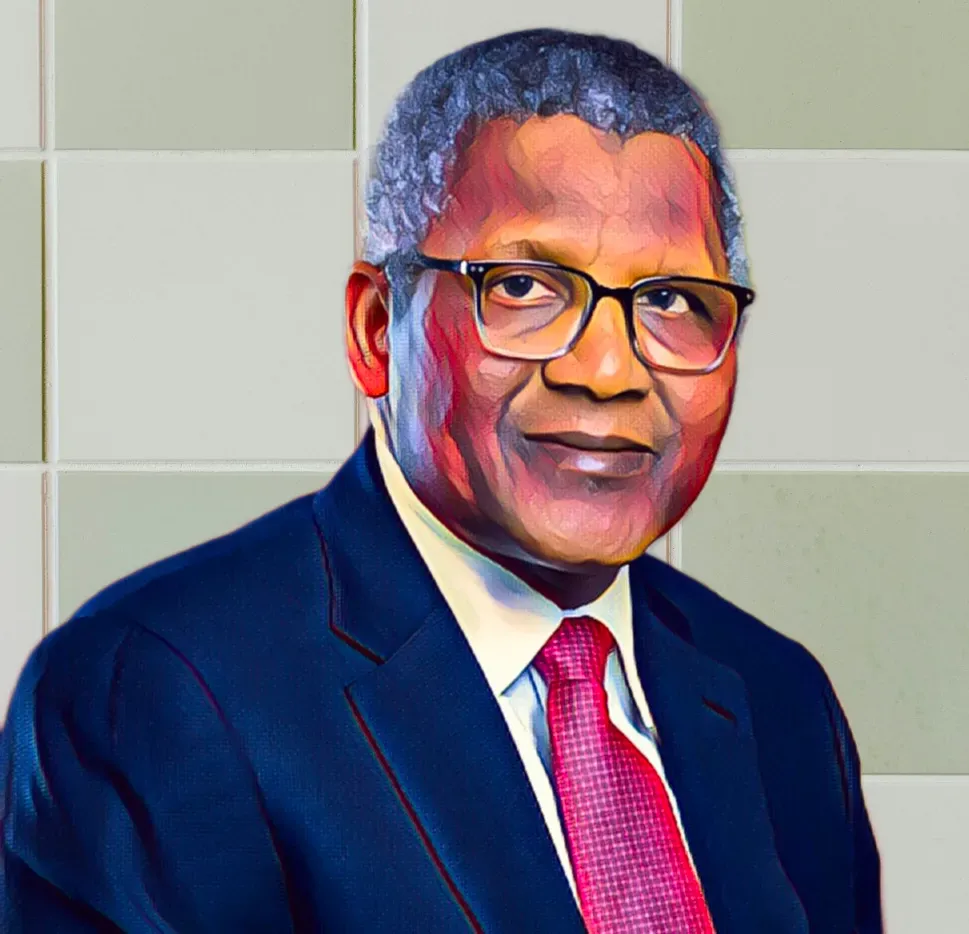
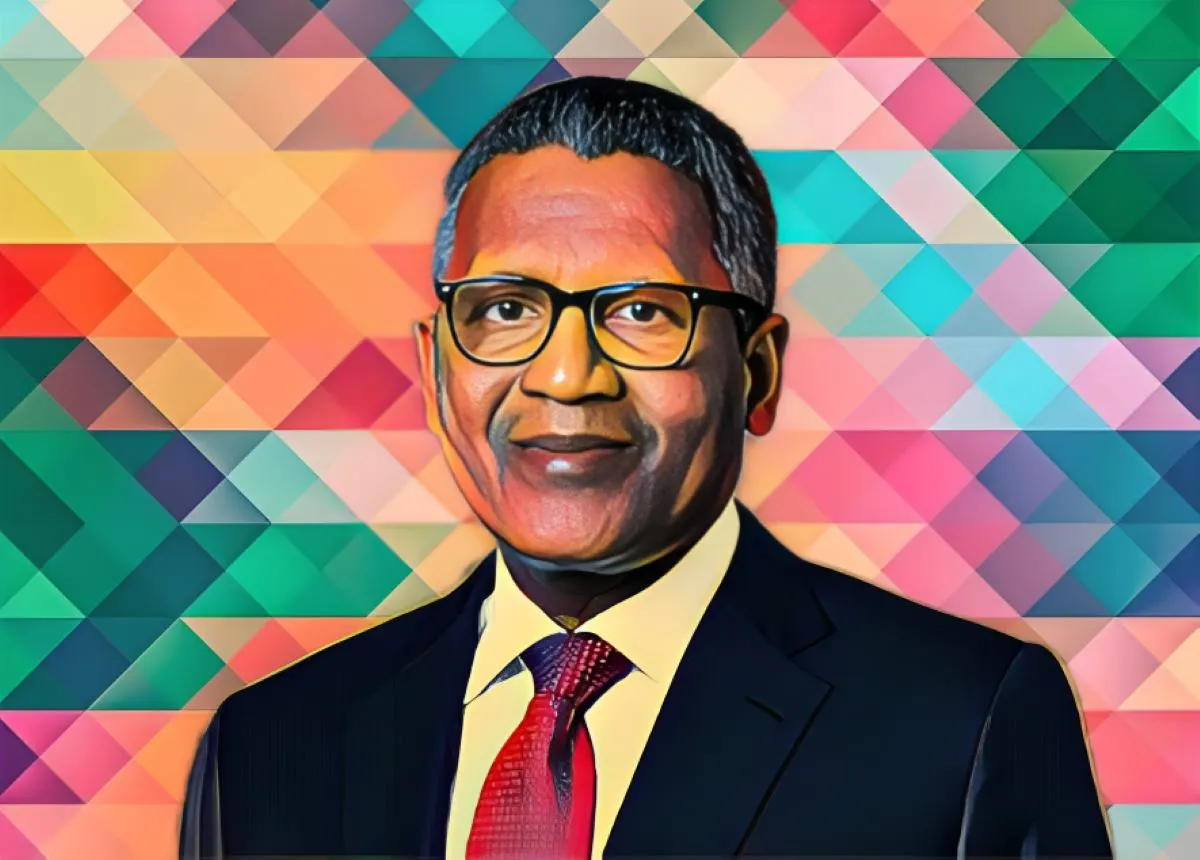
Aliko Dangote, Africa’s richest man and chairman of the Dangote Group, said his foundation will invest $700 million in Nigerian education over the next decade. Speaking at the 2025 Doha Forum in Qatar, Dangote said the program will support more than 155,000 students in secondary schools and universities. This aims to reduce the number of out-of-school children and improve access to skills that can raise household incomes and support economic growth.
Focus on skills and access
During a panel session with Bill Gates and Sheikha Al Mayassa, Dangote discussed how private investment and philanthropy can widen access to education and strengthen economic growth across Africa. “In Africa, we have about 1.4 billion people, so partnership is important,” he said.
Dangote also noted past collaborations with the Bill and Melinda Gates Foundation, including efforts to eliminate polio in Nigeria. He revealed that the upcoming launch of the $700 million fund is aimed at addressing one of the region’s most urgent challenges: training. “We have a lot of children out of school,” he said. “We will run the fund for ten years and then review.”
He added that the Dangote Petrochemical project has already trained more than 50,000 Nigerians to support the operation of its 160,000-barrel-per-day refinery. Many of those workers, he said, will continue to play key roles as the refinery expands.
A long record of philanthropy
With an estimated net worth of $30 billion, Dangote has built West Africa’s largest industrial group, spanning cement, sugar, salt, petrochemicals and refining. In 2014, he endowed his foundation with $1.25 billion, making it the largest private foundation in sub-Saharan Africa.
Since its founding in 1994, the foundation has funded programs across Africa in health, education, and economic development. Its initiatives include providing healthcare services, constructing schools and hospitals, offering scholarships and vocational training, and distributing food to communities affected by natural disasters and conflicts.
Support for universities and state programs
The foundation has supported education in Nigeria with N1 billion ($688,700) in funding for universities. This includes N500 million ($344,000) for a business school at Bayero University, N100 million ($68,800) for the proposed Otuoke University in Bayelsa State, and N1.2 billion ($826,400) for dormitories accommodating 2,160 students at Ahmadu Bello University in Zaria.
In April, the foundation expanded its $10 million National Food Intervention Program, distributing rice to households in the Federal Capital Territory and Kogi State. The initiative aims to ease food insecurity as the country faces growing challenges in access to basic staples.