

Table of Contents
In a move that has captured attention across Nigeria’s corporate and philanthropic circles, 1,706 long-serving employees of BUA Group, one of Africa’s largest manufacturing and industrial conglomerates, received a combined cash award of N30 billion ($20.7 million). The gesture, announced at the annual BUA Night of Excellence Long Service Awards held at Eko Hotel & Suites in Victoria Island, Lagos, goes beyond conventional bonuses, shining a rare spotlight on the people behind a corporate empire.
$20.7 million shared across BUA workforce
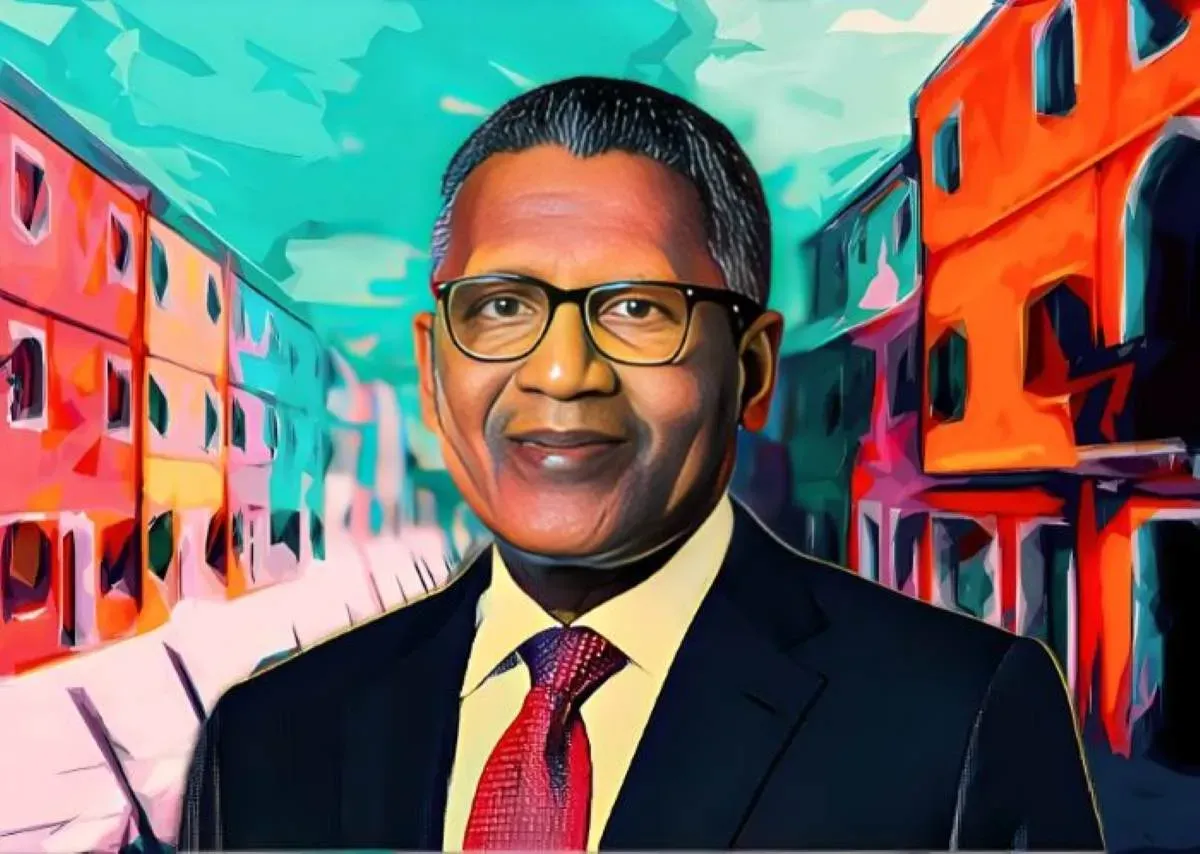
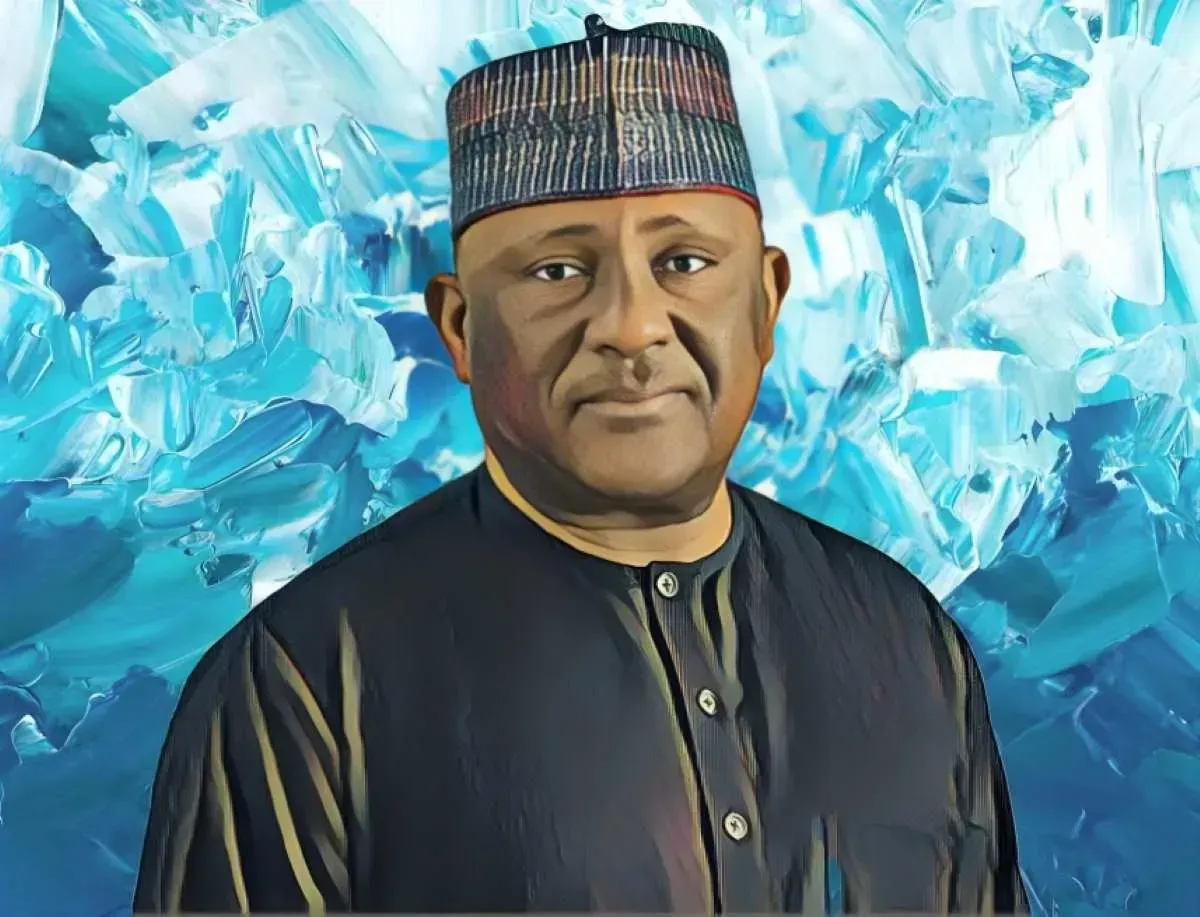
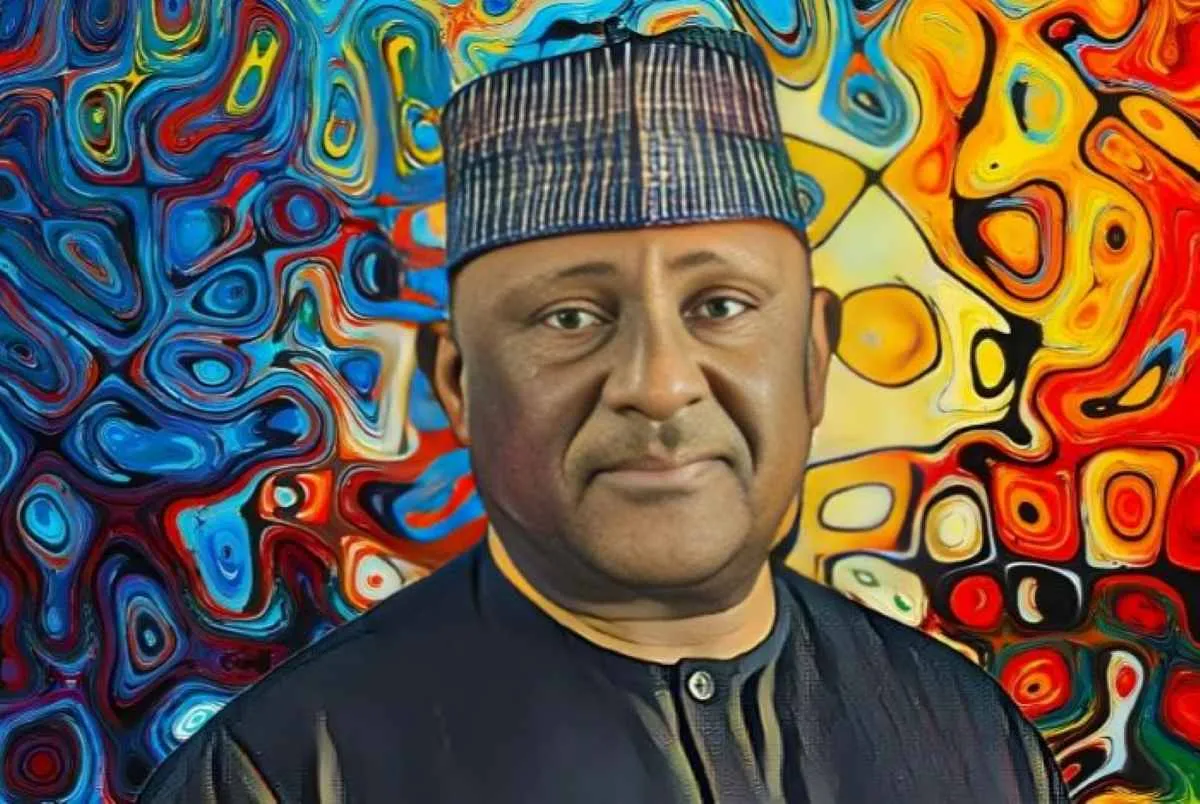
Abdul Samad Rabiu, the founder and executive chairman of BUA Group, addressed the assembled workforce with a mixture of pride and gratitude. “Today is a very special occasion for me,” Rabiu said. “We are not just celebrating long service, we are celebrating loyalty, resilience and the extraordinary power of people, because no matter how big BUA becomes, the true strength of this company has always been and will always remain its people.
He added: “We have been shown loyalty money cannot buy, and this is why I always say this is your company too. To those who started with us in the early days, to those who have given 5, 10, 20, 30 years and more, who carry the BUA spirit with pride every day, thank you.”
The awards were carefully structured to recognize contributions at every level of the company. Five employees received N1 billion ($691,000) each, while another five took home N500 million ($345,000). Several others were awarded N100 million ($69,000) and the rest of the recipients received amounts ranging from N5 million ($3,450) to N20 million ($13,810). By spanning multiple tiers of the workforce, the distribution underscored a commitment to fairness and recognition that extends far beyond senior management and executive roles.
Staff benefit from historic raises
This reinforces a pattern of employee-focused measures that have come to define BUA under Rabiu’s leadership. In February 2024, amid rising inflation and the fallout from a sharp naira devaluation, Rabiu approved a 50 percent salary increase for all staff, including contract employees—an unusual move in an economy where non-permanent staff are often excluded from such benefits. Earlier, during the pandemic, Rabiu had awarded N2 billion in shares to employees of BUA Cement, drawn from his personal holdings, recognizing those who helped the company remain profitable despite supply disruptions and declining demand.
“Every factory built, every system strengthened, every challenge overcome, and every milestone reached carries the imprint of employees who believed in the vision long before the results were visible,” Rabiu said at the ceremony, emphasizing the human effort behind BUA’s growth. Employees who have been part of the company for decades echoed this sentiment, noting that recognition at BUA goes beyond formalities, translating into tangible improvements in their lives and financial security.
Rabiu prioritizes employees in corporate growth
The cash awards, totaling $20.7 million, are not merely symbolic. They provide a direct and measurable benefit to workers thus reinforcing the human-centered philosophy that has distinguished Abdul Samad Rabiu’s approach in Nigeria’s corporate sector. As one of Africa’s leading philanthropists, this latest move further signals his deep and profound understanding of the role employees play in building and sustaining industrial success.
For BUA’s workforce, the 2025 Long Service Awards are more than a moment of celebration, they are a reminder that loyalty, dedication and resilience do not go unnoticed, even in the high-stakes world of industrial business. In a country where the pressures of inflation and rising costs affect both companies and households, Rabiu’s approach offers a rare model of corporate leadership that puts people at the center of prosperity.