

Table of Contents
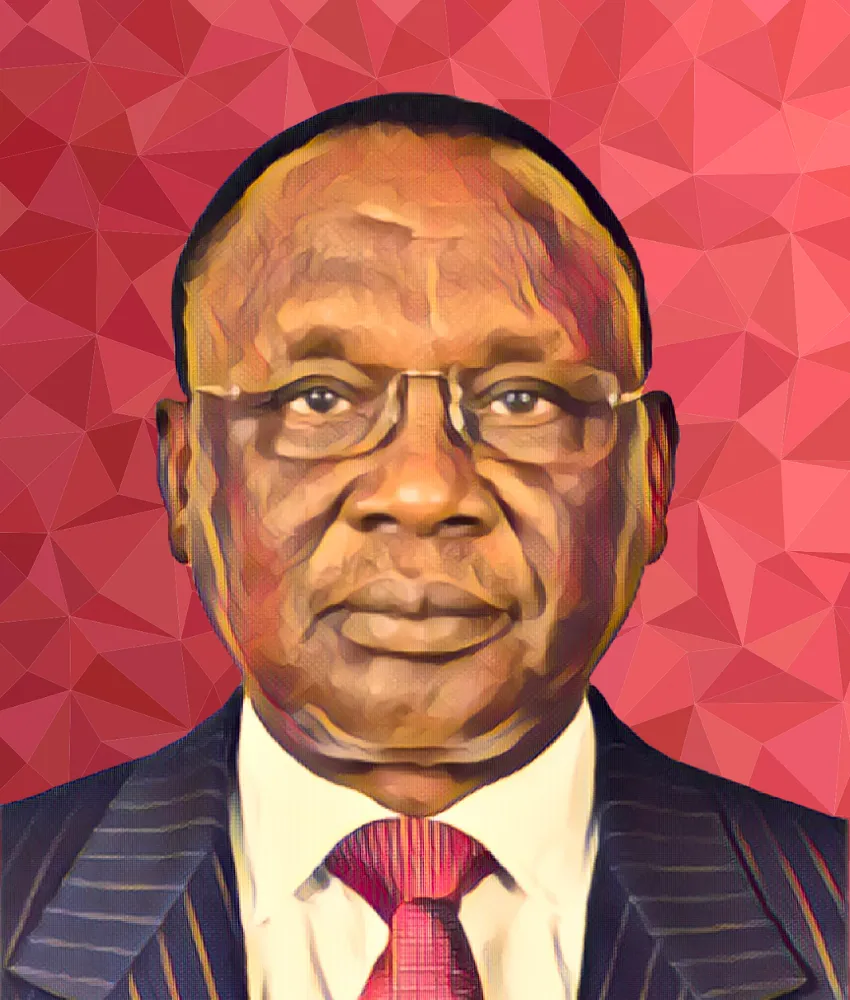
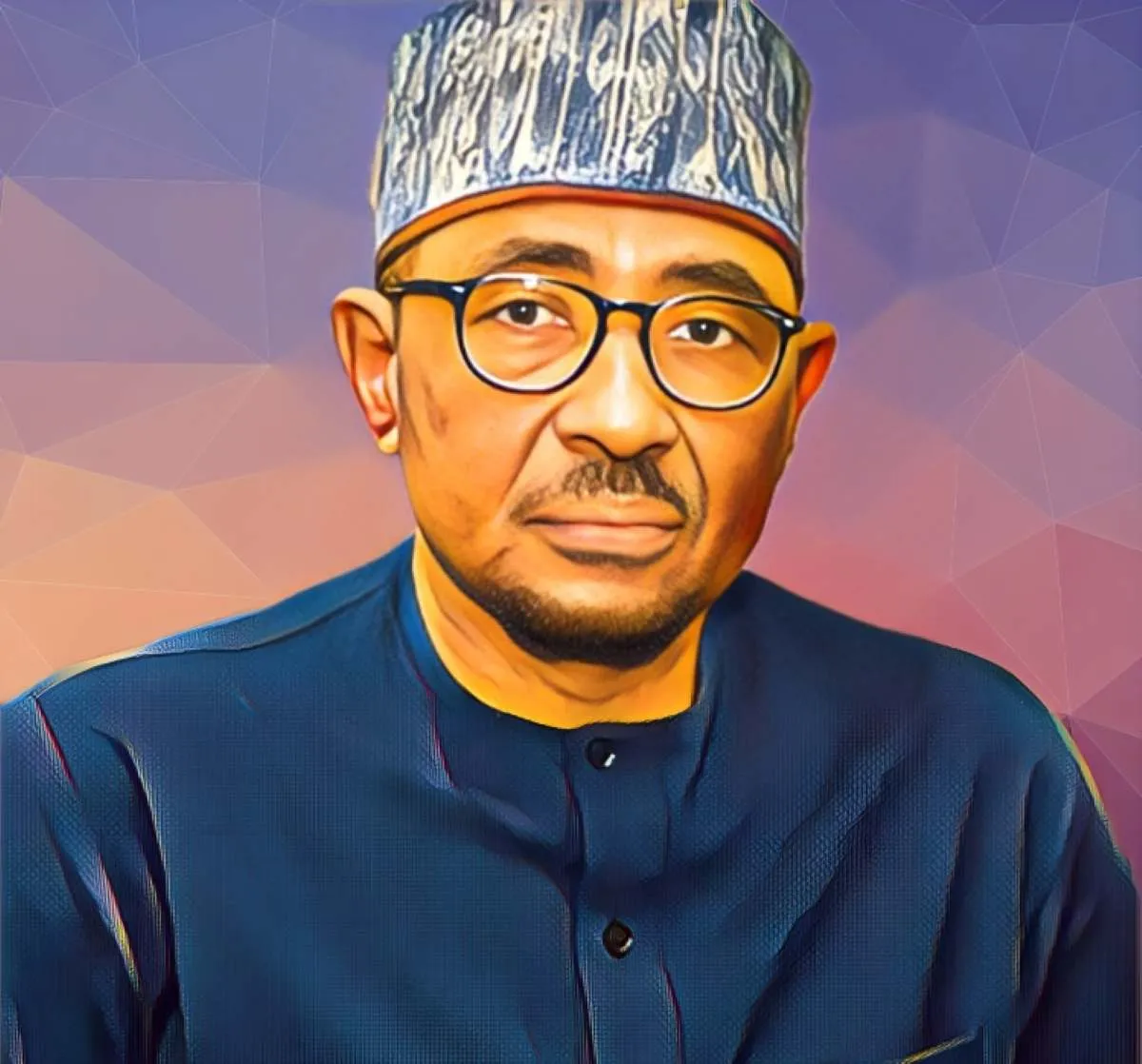
Farouk Ahmed, chief executive of the Nigerian Midstream and Downstream Petroleum Regulatory Authority (NMDPRA), resigned days after Africa’s richest man, Aliko Dangote, demanded a full investigation into reports that Ahmed paid roughly $5 million for his four children’s secondary education in Switzerland.
The resignation follows a meeting between Ahmed and President Bola Tinubu at the Presidential Villa in Abuja on Wednesday. Tinubu has since requested the Senate approve two new appointments to lead Nigeria’s petroleum regulatory agencies, signaling a swift effort to restore confidence in the sector.
NUPRC, NMDPRA chiefs resign; Tinubu names oil veterans
Engineer Gbenga Komolafe, head of the Nigerian Upstream Petroleum Regulatory Commission (NUPRC), also stepped down. Both Ahmed and Komolafe were appointed in 2021 under former President Muhammadu Buhari to implement reforms under the Petroleum Industry Act. Tinubu has nominated Oritsemeyiwa Amanorisewo Eyesan for NUPRC and Engineer Saidu Aliyu Mohammed for NMDPRA, both veterans of Nigeria’s oil and gas industry.
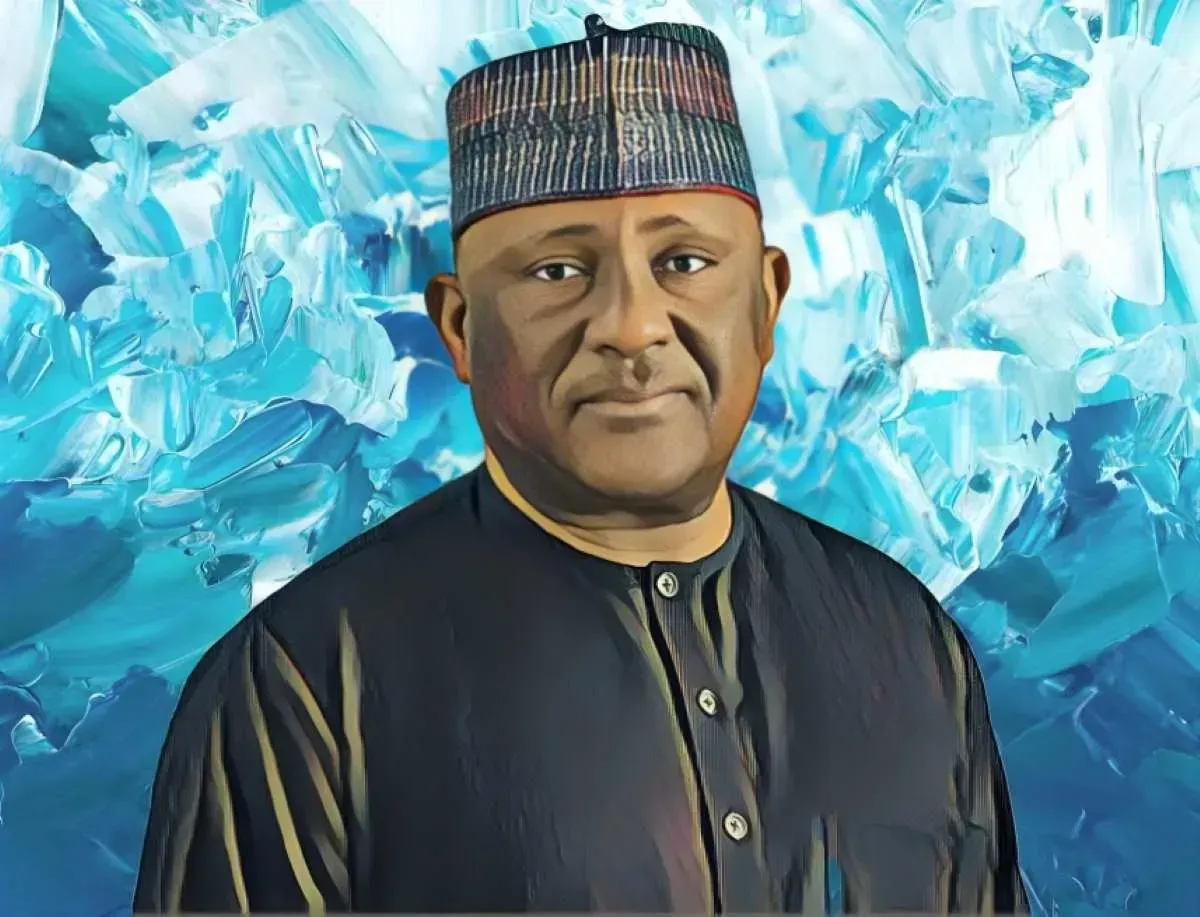
Eyesan, an economics graduate from the University of Benin, served nearly 33 years with NNPC and its subsidiaries, retiring as Executive Vice President, Upstream. Engineer Mohammed holds a chemical engineering degree from Ahmadu Bello University and has led Kaduna Refining & Petrochemical Company, the Nigerian Gas Company and several NNPC subsidiaries. He also served as Group Executive Director/Chief Operating Officer for Gas & Power, contributing to frameworks like the Gas Masterplan and the Petroleum Industry Act.
Dangote slams cheap fuel imports
Earlier this week, Dangote sharply criticized Nigeria’s fuel regulators for allowing cheap imports that undercut domestic refining, arguing it hinders local jobs, investment, and energy security. At his Lagos refinery, he said Nigeria was “exporting opportunities while struggling with unemployment and foreign exchange pressure.” Dangote also called for a probe into Ahmed’s alleged $5 million tuition payments, emphasizing that the figure warranted public scrutiny by relevant authorities, including the Code of Conduct Bureau.
Ahmed responded, emphasizing the need for formal investigation rather than public debate. “I hereby state categorically that the so-called statement did not emanate from me,” he said. “While I am aware of the wild and spurious allegations, I have opted not to engage in public brickbat. Thankfully, the matter has been referred to formal investigative institutions, which will allow the issues to be examined fairly.”
The dispute comes amid ongoing tensions over Nigeria’s refinery operations. Ahmed previously suggested Dangote’s facility could not meet domestic fuel demand, a claim the businessman rejected, noting the refinery struggles with crude supply and regulatory enforcement. Despite these challenges, Dangote reiterated plans to expand the refinery, list it locally, pay dividends in U.S. dollars, and ensure ordinary Nigerians benefit from the country’s industrial growth.