


Table of Contents
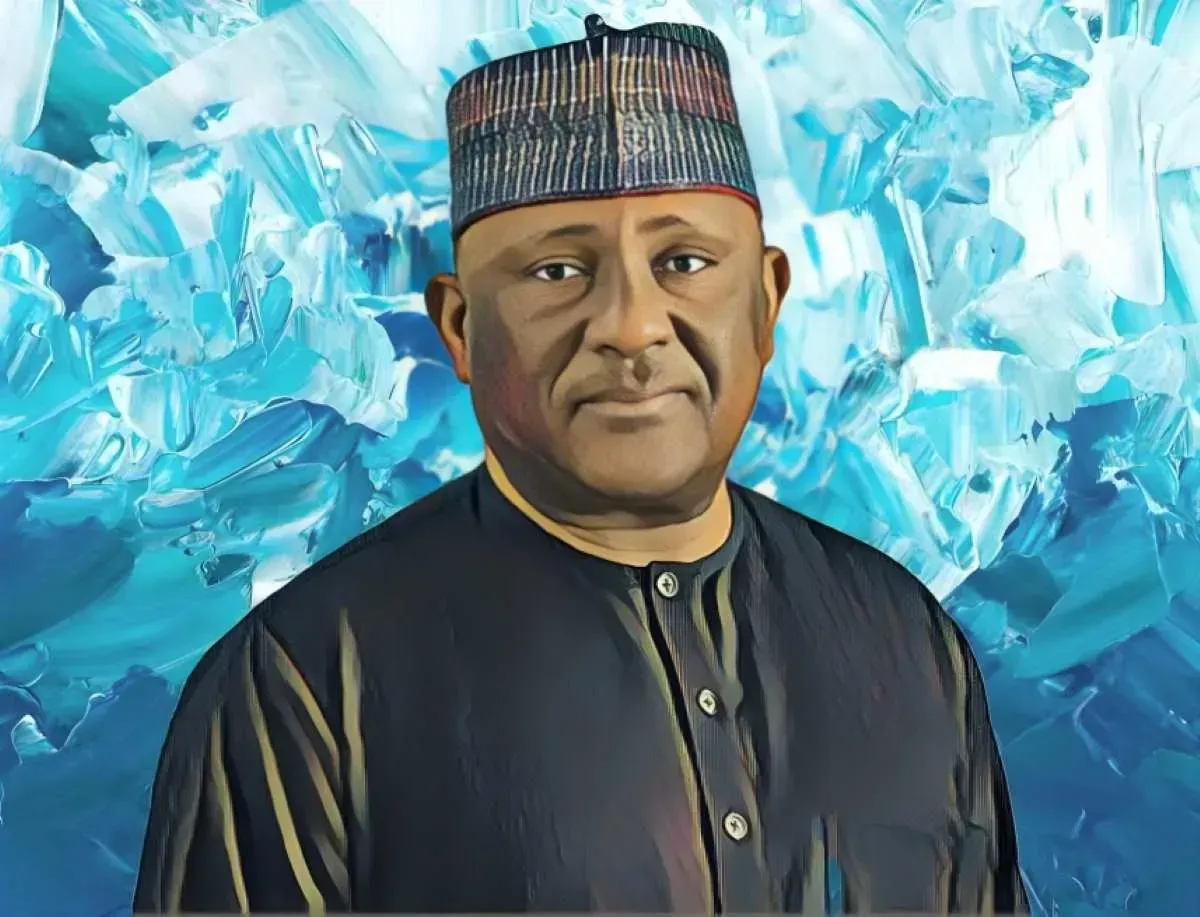
Nigeria’s federal government is courting heavyweight private-sector backing for its science and technology agenda, with Innovation, Science and Technology Minister Dr. Kingsley Tochukwu Udeh meeting industrialist Prince Arthur Eze in Abuja.
Udeh said the government wants science, technology and innovation to sit at the heart of the country’s economic transformation, arguing that policy ideas will not travel far without partners who can invest, build and help rally public support. He told Eze the ministry is widening outreach to business and political leaders as it seeks to move research from universities and labs into products and services that can compete at home and abroad.
The minister also pointed to a push to better connect Nigeria’s innovation ecosystem. He said the ministry is ready to work with chief technology officers across sectors to tighten links between startups, manufacturers, researchers and regulators - a network he believes is necessary to turn prototypes into scalable enterprises.
Eze, founder and chief executive of Atlas Oranto Petroleum, praised what he described as Udeh’s reform-minded approach and said the ministry’s direction fits President Bola Tinubu’s Renewed Hope agenda. He pledged support for initiatives aimed at technological advancement, youth empowerment and national cohesion through industrial growth, according to officials familiar with the meeting.
While the meeting did not announce a specific project, officials said discussions centered on how emerging technologies and indigenous capacity could help accelerate industrialization, expand job creation and strengthen Nigeria’s competitiveness in the global knowledge economy.
Nigeria has promised innovation-led growth before, but researchers often struggle to attract funding, and companies complain about infrastructure gaps and inconsistent policy. Officials say stronger private-sector ties can help close those gaps by channeling capital toward workable ideas and creating clearer pathways from research to market.
Udeh’s ministry said it will sustain engagement with leaders whose experience and investment capacity can help translate innovation into measurable social and economic outcomes. The outreach, officials said, is also meant to encourage cross-sector coordination, so new technologies developed locally are not stranded at the pilot stage.
For the government, the talks underscore a broader effort to diversify an economy still heavily exposed to oil revenue swings.
Officials said the ministry is mapping priority areas, including digital skills, applied research grants and technology-transfer partnerships with industry.