


Table of Contents
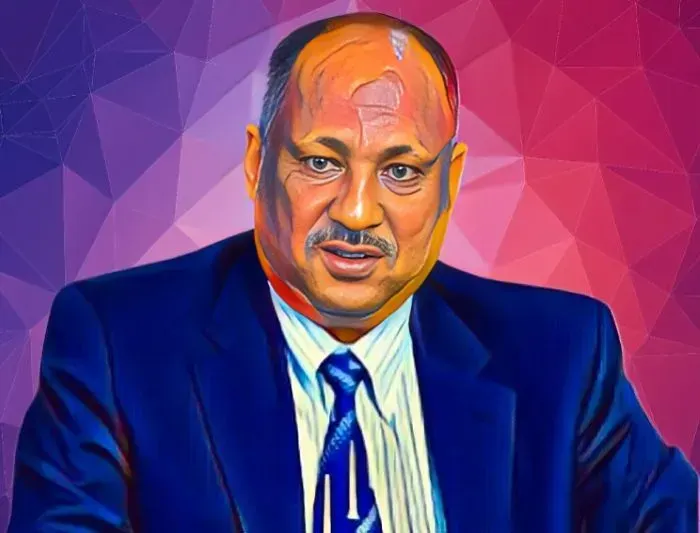
Malawian businessman and industrialist Napoleon Dzombe plans to launch a fertilizer plant in Dowa by April 2026. Developed by his agribusiness firm, Mtalimanja Holdings Limited, the facility aims to reduce Malawi’s dependence on imported fertilizer and provide a more stable supply for farmers who have faced persistent shortages and rising costs.
Dowa factory to produce 40 tons daily
Construction is underway in Dowa, a farming district in Malawi’s Central Region known for maize, tobacco and other staple crops. Installation of key manufacturing equipment has been completed, according to the company, while remaining civil works are scheduled to finish by January 2026. Once operational, the plant is expected to produce 40 metric tons of fertilizer per day—a volume Dzombe says could meet national demand within roughly five months.
“At that production rate, the factory can make enough fertilizer to serve the whole country within 150 days,” Dzombe said in an interview. Fertilizer imports account for a large share of foreign exchange spending, while supply delays have frequently disrupted planting seasons. Local production could help reduce exposure to currency shortages, lower transport costs and improve delivery timelines for smallholder farmers who form the backbone of food production.
Dzombe said the decision to invest locally was shaped by years of watching farmers struggle to access inputs. “For years, Malawi has been importing fertilizer at very high cost,” he said. “This factory will reduce that burden and help farmers get what they need when it matters most.”
Dzombe’s holdings span farms, mills, hospital
The Dowa fertilizer plant is part of Mtalimanja Holdings’ portfolio spanning agriculture, food processing, healthcare, and logistics. The group under the leadership of Napoleon Dzombe runs Mtalimanja Rice Mill, one of Malawi’s largest, with a daily capacity of 200 metric tons.
Beyond fertilizer, Napoleon Dzombe has also invested in sugar production, dairy processing, food manufacturing, transport services, and estate farming across several districts. He established Blessing Hospital, Mtendere Orphanage, and the School of Agriculture for Family Independence to expand access to healthcare, education, and farming skills in rural areas.
The fertilizer plant is expected to create jobs, support related industries, and reduce pressure on Malawi’s foreign currency reserves by lowering import dependence. It could also help stabilize fertilizer supply during peak planting seasons. With a planned launch in April 2026, the Dowa project is emerging as a key private-sector investment in Malawi’s agricultural value chain, attracting attention from farmers, policymakers, and investors.