


Table of Contents
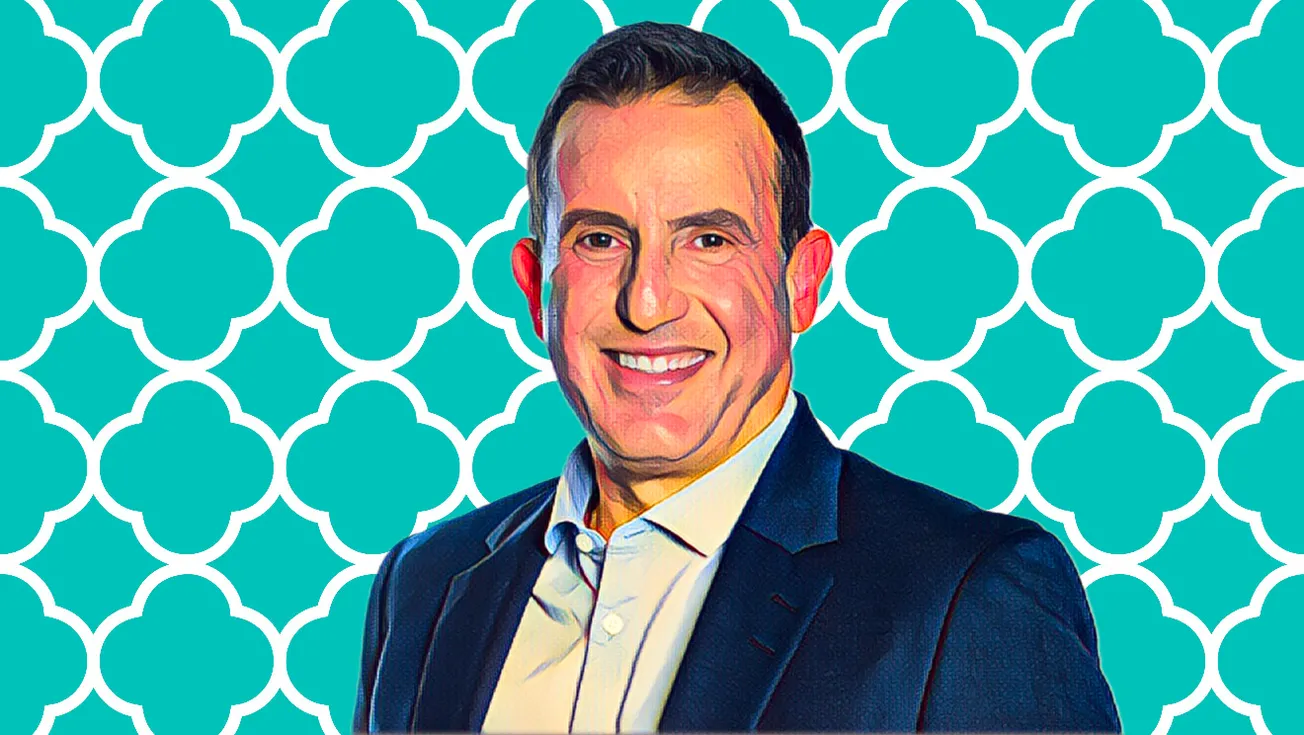
Aspen Pharmacare, Africa’s largest pharmaceutical company, led by South African pharma tycoon Stephen Saad, has agreed to sell most of its Asia-Pacific operations—excluding China—to Australian private equity firm BGH Capital for A$2.37 billion ($1.59 billion), a move aimed at reducing debt and freeing up capital as the company recalibrates its business.
Strategic divestment reshapes Aspen footprint
The assets being sold span Hong Kong, Taiwan, Malaysia and the Philippines. Together, they accounted for 18 percent of Aspen’s revenue and 26 percent of core earnings in the year ended June 30, 2025. Aspen had not planned to divest the businesses but decided to after reviewing an unsolicited proposal from BGH, which focuses on investments in Australia and New Zealand.
The transaction also includes Aspen’s operations in Australia and New Zealand—its first expansion outside South Africa—marking a significant shift for the group. CEO Stephen Saad said the sale supports Aspen’s longer-term priorities and provides flexibility at a time when the company is working through operational and financial pressures. Employee arrangements across the affected markets are expected to remain unchanged, he added.
Aspen pivots after profit reversal
Founded in 1997, Aspen has grown under Saad’s leadership into the continent’s largest drugmaker and a global supplier of specialty medicines. Saad, who has served as chief executive since 1999, co-founded the company and remains its largest shareholder, holding about 58 million shares, or roughly 13 percent of the business.
That expansion has not been without strain. Aspen posted a loss of R1.08 billion ($61.3 million) for its latest financial year, reversing a R4.4 billion ($249 million) profit a year earlier. The setback followed a dispute linked to mRNA manufacturing contracts and softer demand in parts of its portfolio, contributing to a 3 percent decline in revenue to R43.36 billion ($2.46 billion).
Aspen targets $50 million GLP-1 sales
As it works to stabilize earnings, Aspen has leaned more heavily into diabetes and obesity treatments. The company markets Eli Lilly’s Mounjaro and sees the fast-growing GLP-1 drug category as a key source of future sales. Earlier this year, Saad said he expects Aspen’s own weight-loss offering to generate more than $50 million in annual revenue within two years.
That outlook follows regulatory approval to introduce an injector pen version of Mounjaro in South Africa. The pen, launched after the drug was first sold in vial form for Type 2 diabetes last December, is designed to simplify dosing for patients and puts Aspen in closer competition with Novo Nordisk, a dominant player in the category.
Cost discipline meets future drug growth
Alongside product launches, Aspen is cutting costs. The company plans to restructure sterile manufacturing facilities in France and South Africa and continues to review licensing arrangements as it sharpens its focus on fewer, higher-margin products.
Beyond its home market, Aspen is positioning itself for opportunities as patents on semaglutide-based drugs begin to expire from 2026. In Canada, the company has already cleared an initial regulatory review. Management says Aspen’s mix of in-house development and licensing agreements gives it room to expand while limiting upfront risk.