

Table of Contents
After more than a year of negotiations, false starts and intense competition, a group of Nigerian billionaires have missed out on one of the country’s most coveted oil and gas assets according to a news report by The Africa Oil and Gas report.
TotalEnergies EP Nigeria has signed a sale and purchase agreement with VAARIS Resources JV Co. Ltd for its 10 percent interest in the Renaissance Africa, NNPC, ENI, Total joint venture.
The transaction ends a long and closely watched divestment process that at different points appeared headed for some of Africa’s most powerful financiers. Instead, VAARIS, a quieter consortium of Nigerian operators and service firms, emerged as the final buyer.
The deal covers TotalEnergies’ interests in 18 oil mining leases located across onshore and shallow water areas of the Niger Delta. The assets produced about 16,000 barrels of oil equivalent per day net to TotalEnergies in 2025. The agreement also includes the transfer of rights and obligations in three additional licences that are largely gas producing and supply feedstock to Nigeria Liquefied Natural Gas. TotalEnergies, however, will retain full economic interest in those gas licences.
VAARIS is made up of three Nigerian marginal field operators and three oilfield service companies. The sale and purchase agreement was signed on behalf of the consortium by its chairman, Tein George.
What makes the outcome notable is not just who won, but who did not.
Early on, Mauritius-based Chappal Energies, an emerging junior controlled by Ufoma Immanuel, appeared to have the inside track, securing regulatory approval in 2024 for a deal put at roughly $860 million. The agreement did not close, though, after the buyer could not satisfy funding and key regulatory requirements. Authorities eventually withdrew the approval and reopened the process.
With Chappal out, South Atlantic Petroleum Ltd., the privately held Nigerian company owned by retired Gen. Theophilus Danjuma, emerged as the next major contender. By mid-2025, SAPETRO was widely viewed as the front runner to take over the stake, with industry insiders expecting a swift conclusion.
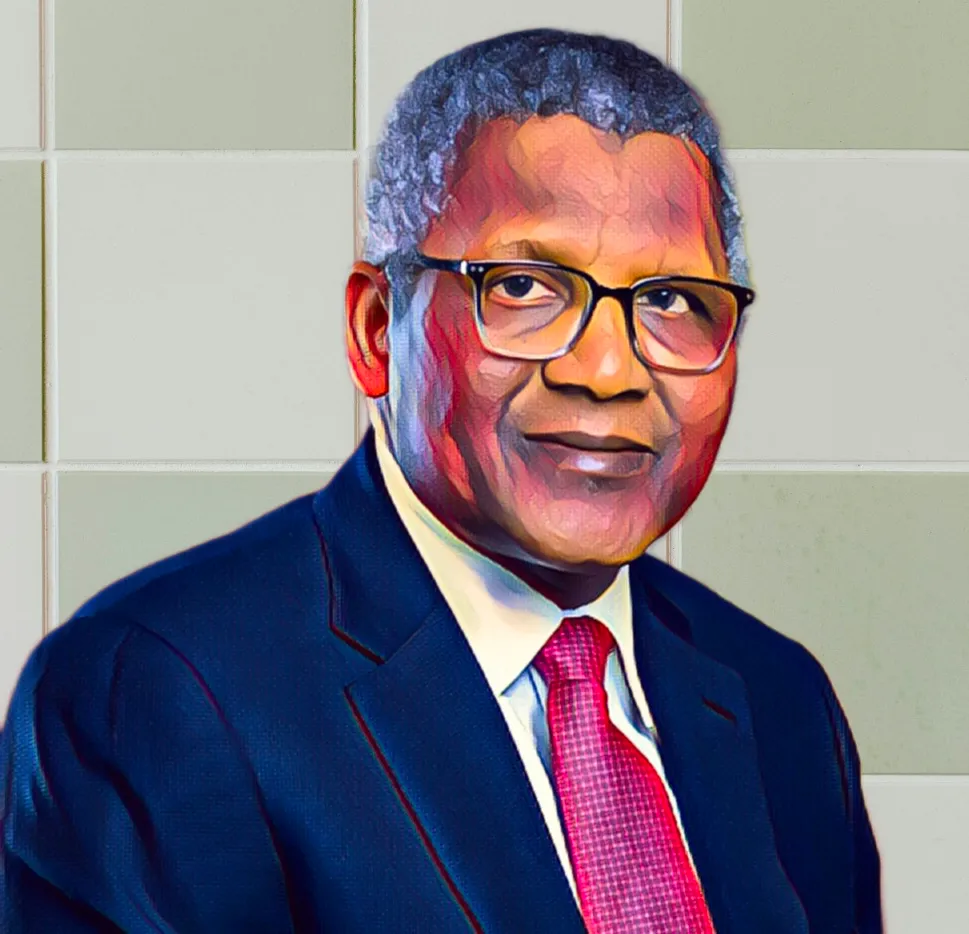
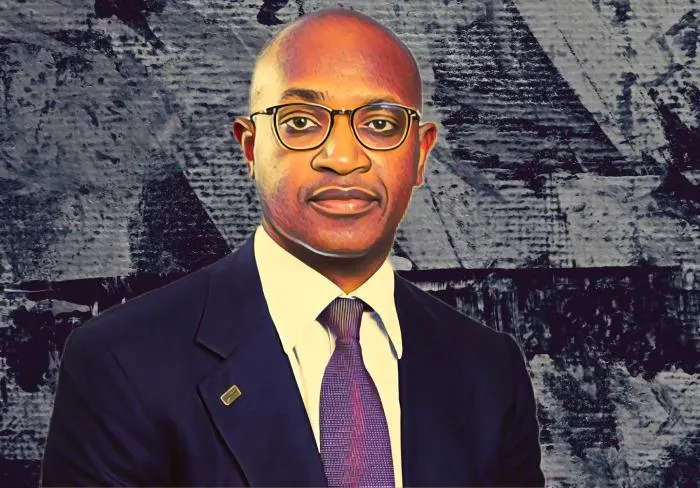
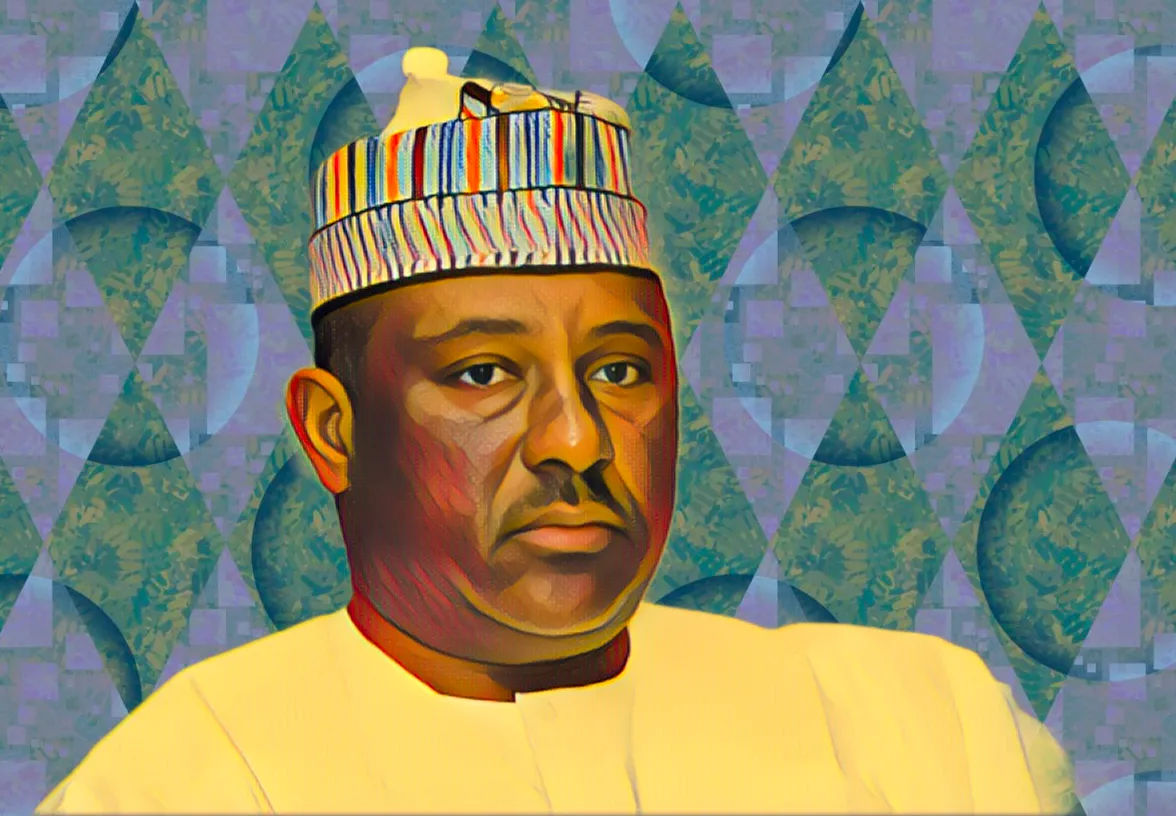
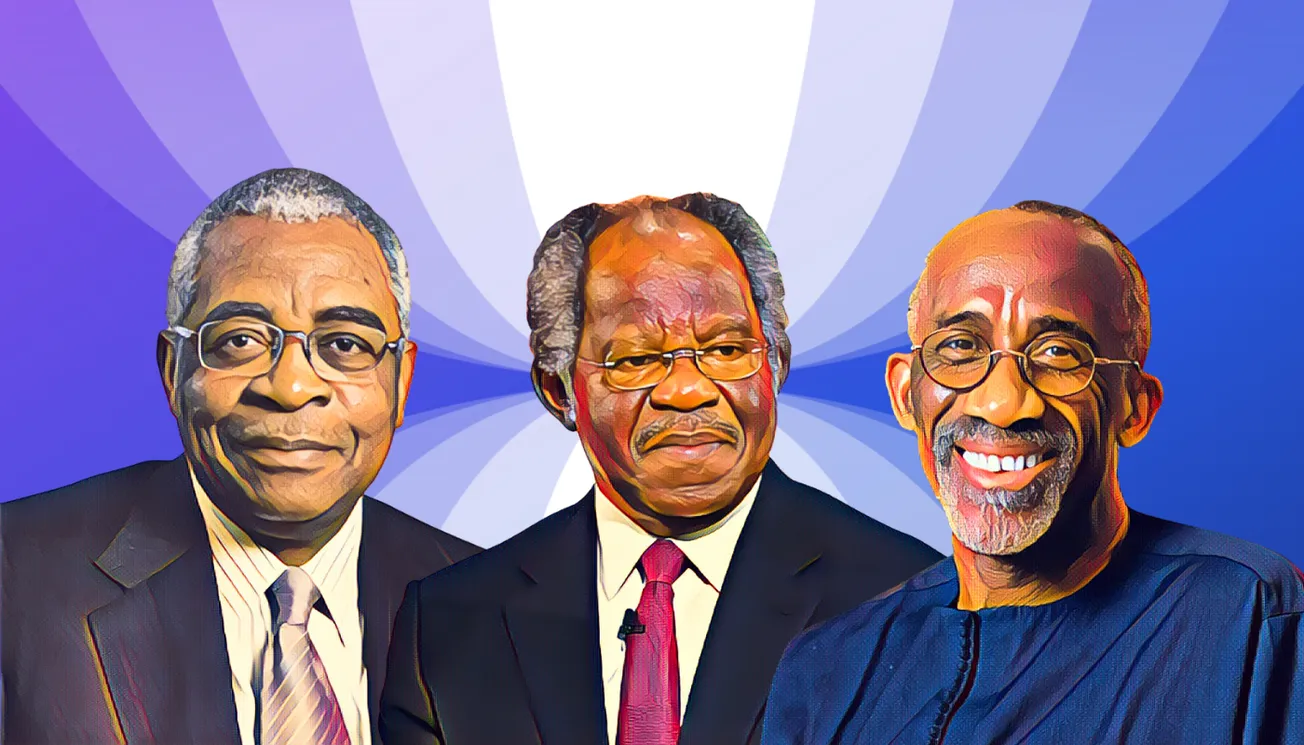
That expectation changed when a high-profile investor group entered the race. Billionaire financier Bayo Ogunlesi, chief executive of Global Infrastructure Partners and a board member of BlackRock, teamed up with Nigerian tycoon Hakeem Belo-Osagie of Metis Capital. The pair formally wrote to TotalEnergies, outlining their financial capacity to fund both the acquisition and future cash calls tied to the joint venture.
Ogunlesi and Belo-Osagie also leaned on a political play. The investors met with President Bola Ahmed Tinubu in late September 2025, aiming to show their plan had regulatory clearance and official support. The effort briefly lifted their prospects and strengthened expectations that they would secure the stake.
Those expectations did not materialize. Despite their influence and access to capital, the bid lost steam between October and December 2025, and the group failed to close.
That opened the door for VAARIS, which had remained engaged after finishing as reserve bidder during the earlier Chappal-led process. By mid-January 2026, TotalEnergies finalized the agreement with VAARIS, effectively ending the contest.
The Renaissance joint venture is one of Nigeria’s most significant onshore and shallow water operations. Ownership currently stands at 55 percent for the Nigerian National Petroleum Corporation, 30 percent for Renaissance Africa Energy Company and 5 percent for ENI.
Regulatory approvals are still required before the transaction is completed. Even so, the outcome underscores a shifting dynamic in Nigeria’s upstream sector, where financial muscle and elite access do not always guarantee success, and where locally structured consortia are increasingly capable of outlasting far bigger names.