

Table of Contents
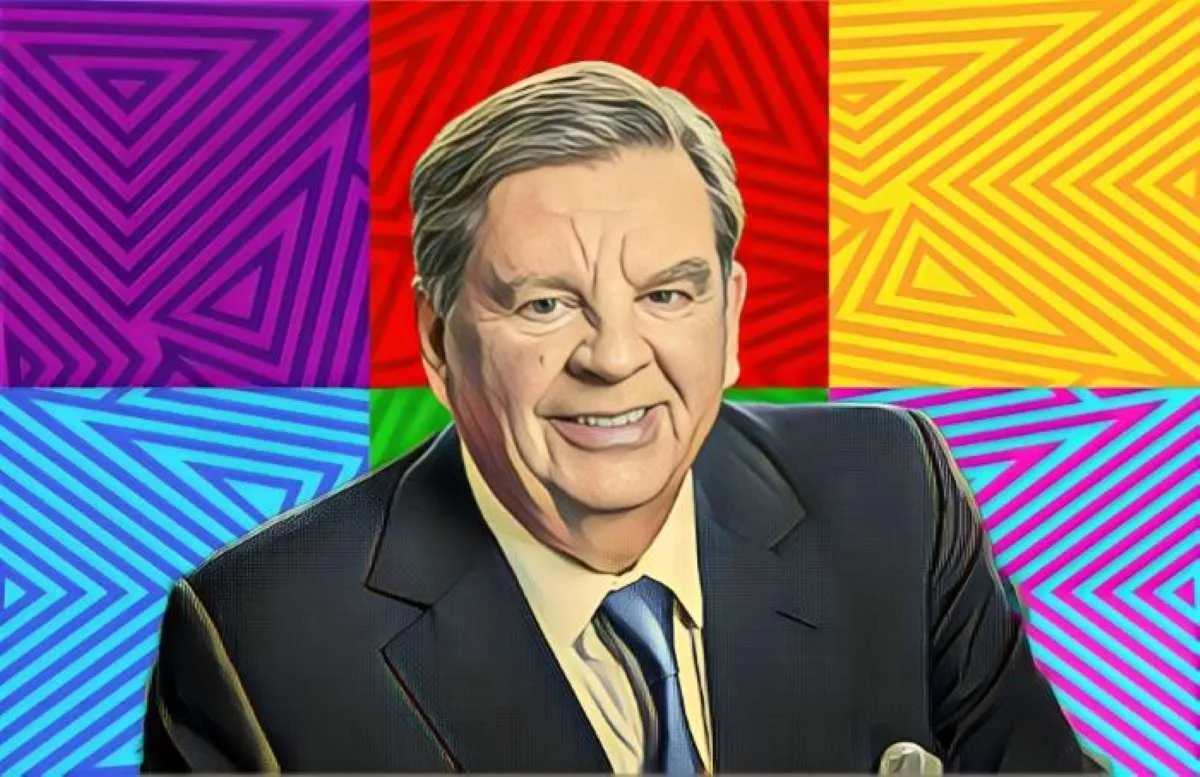
For much of 2024, the race at the top of Africa’s rich list was a two-man contest marked by sharp swings and close calls. South African billionaire Johann Rupert and Nigerian industrialist Aliko Dangote traded places as market values shifted and major assets came into clearer view.
That contest ended decisively in October 2024, when Dangote’s long-awaited $20 billion refinery was factored into his wealth, pushing his net worth well past $25 billion and later in 2025 beyond $30 billion, and locking in his position as Africa’s richest person. Since then, the story has changed. The spotlight has shifted from rivalry to pursuit. Rupert’s climb has been quieter, steadier, and anchored in the public markets rather than a single transformative project.
Today, the South African luxury goods magnate is edging closer to a landmark few on the continent have reached—with Aliko Dangote being the only one—closing in on a $20 billion fortune that would make him only the second African billionaire to cross that threshold.
Richemont shares lift Rupert near milestone
According to the Bloomberg Billionaires Index, which tracks the fortunes of the world’s 500 wealthiest individuals, Rupert’s net worth has increased by $161 million since the start of 2026.
That lift takes his fortune to $19.6 billion at the time of writing, leaving him roughly $400 million short of the $20 billion mark. It is a narrow gap by billionaire standards, and one that reflects the underlying strength of the asset at the center of his wealth: Richemont.
Rupert sits at the helm of the Switzerland-based luxury goods group, one of the world’s largest players in high-end jewelry and fashion. Through his family interests, he owns 10.18 percent of Richemont’s shares and controls 51 percent of the voting rights, giving him effective control of a portfolio that includes Cartier, Montblanc and Chloé.
Market gains propel Rupert toward $20 billion
Over the past year, Richemont’s shares have risen by nearly 27 percent, lifting its market capitalization to CHF95.5 billion ($119 billion). For Rupert, that rally has been decisive. The market value of his stake has climbed from under $9 billion a year ago to $13.8 billion today.
That growth explains much of the recent $161 million increase in Rupert’s wealth, but it sits within a broader run that reshaped his fortune in 2025. Last year proved to be one of the strongest periods of wealth creation in his career, with his net worth rising by $5.8 billion over the course of the year. He entered 2025 with an estimated fortune of $13.7 billion and closed it at $19.5 billion, setting the stage for his current approach toward the $20 billion line.
Cartier, Van Cleef boost jewelry sales
Investors’ confidence in Richemont has been underpinned by operating results that suggest the group is holding its ground in a volatile global luxury market. In the first six months of its 2026 financial year, Richemont reported a 10 percent increase in sales at constant exchange rates and a 5 percent rise at actual rates.
Revenue grew from €10.08 billion, or $11.71 billion, to €10.62 billion, or $12.33 billion. Those numbers have reinforced expectations that the group could deliver better-than-anticipated results by year-end. Retail has been the main engine of that growth. Boutique sales rose across most regions, pushing retail to account for 70 percent of group revenue in the first half. Jewelry remained the strongest division by far.
Brands including Cartier, Van Cleef & Arpels, Buccellati and Vhernier lifted combined jewelry sales to €7.7 billion ($8.95 billion), up 9 percent at actual exchange rates and 14 percent at constant rates. The figures underline a long-standing approach that has defined Richemont under Rupert’s watch: focus on maisons with deep heritage, invest in craftsmanship, and anchor the business around high-value jewelry rather than chasing volume.
Market reassessment boosts luxury group
For Rupert, that discipline is now translating into milestones. While Dangote’s wealth surge was driven by the recognition of a massive industrial asset, Rupert’s gains have come through the market’s reassessment of a global luxury group navigating shifting consumer demand and currency pressures highlighting two paths to wealth on the continent, one rooted in heavy industry and infrastructure, the other in brands, pricing power and long-term stewardship.
At $19.6 billion, Rupert is closer than ever to joining Dangote in a club that, until recently, had no African members at all. Whether or not he crosses the $20 billion mark in the near term, his steady rise underscores how global equity markets, rather than headline-grabbing projects, are reshaping the upper end of Africa’s wealth rankings. For now, the numbers tell a simple story: the gap is narrowing, the shares are holding, and a historic milestone is within sight.