

Table of Contents
Five years after assuming operatorship of Nigeria’s OML 17, Heirs Energies says the true measure of the milestone lies not in time passed but in results delivered across one of the country’s most challenging brownfield assets.
The company took control of the oil mining lease in early 2021, acquiring a 45 percent interest for $1 billion on Jan. 15 of that year and stepping into the operator role ahead of schedule on July 1. The asset, long seen as complex and operationally demanding, became an early test of Heirs Energies’ core belief that African capital and expertise can manage strategic energy infrastructure responsibly and at scale.
Since then, the operator says it has maintained a strong safety record, reporting zero fatalities and no lost time injuries since inception. The company attributes the outcome to its internal safety culture, which emphasizes personal responsibility at all levels of operation.
Production growth has been a central focus. Oil output at OML 17 has more than doubled over five years, rising from below 25,000 barrels per day to above 50,000 barrels per day. The increase has come without new drilling campaigns or major facility expansions, relying instead on the restoration of existing infrastructure.
Gas production has followed a similar trajectory. Daily output has risen from less than 50 million standard cubic feet to more than 120 million. Domestic gas supply has tripled, climbing from roughly 30 million to over 100 million standard cubic feet per day. That increase has helped lift electricity generation linked to the asset from under 100 megawatts to more than 325 megawatts, supporting Nigeria’s power supply.
Company officials point to what they describe as brownfield excellence as a defining feature of the turnaround. Roughly 100 dormant wells have been reactivated, and pumps that have been in service for more than six decades are operating at uptime levels above 85 percent. The work was carried out without adding new wells or facilities, an approach aimed at limiting capital intensity while extending asset life.
Heirs Energies also credits its role in pushing back against crude oil theft, a persistent problem in the Niger Delta. Terminal delivery rates tied to the asset recovered from as low as 3 percent in late 2021 to above 95 percent by 2025, following coordinated security and monitoring efforts.
On the financial side, the company says it has emerged as one of Nigeria’s lowest cost operators while delivering the highest production growth among peers between 2020 and 2024. All lending obligations have been met, culminating in a $750 million refinancing completed with Afreximbank.
Strategic expansion followed in late 2025, when Heirs Energies acquired a 20 percent equity stake in Seplat Energy Limited, making it the company’s largest single shareholder.
The workforce behind the results is entirely Nigerian, blending experienced professionals with younger talent. Management says the mix has helped build operational depth while strengthening local capability.
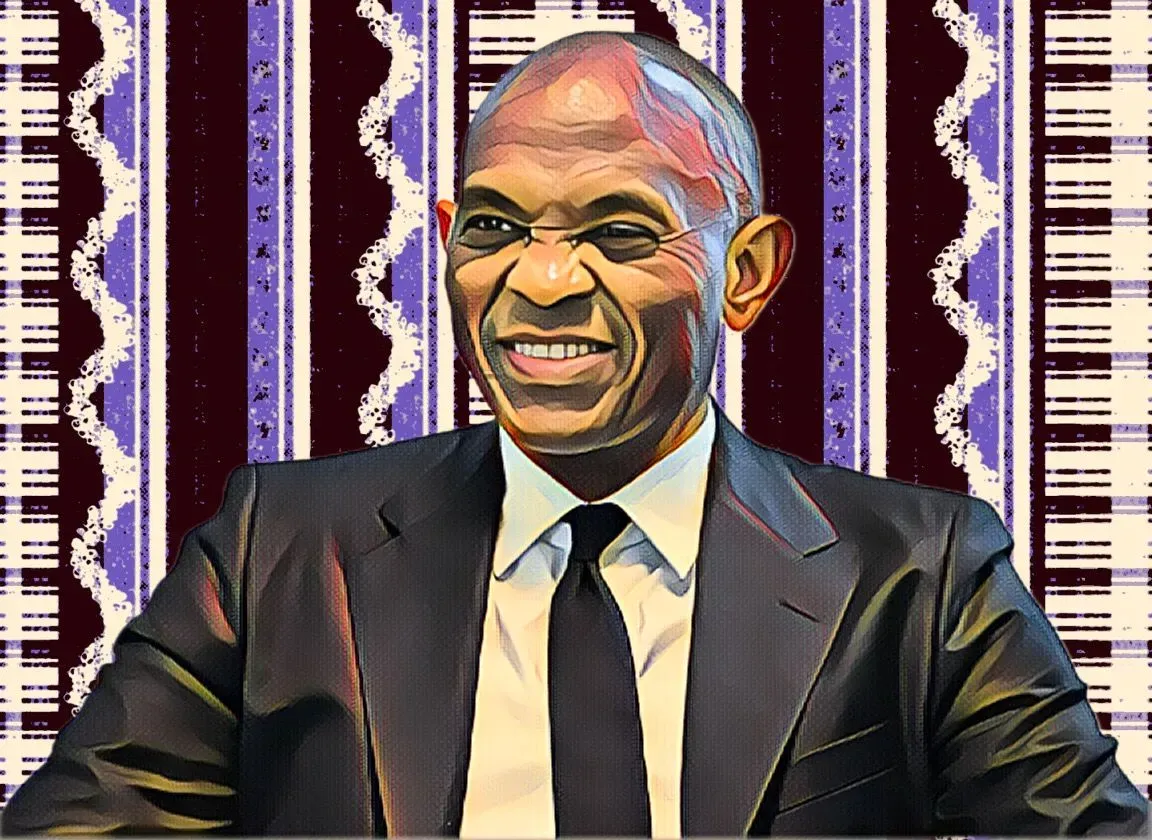
In a press statement issued by Heirs Energies, the company's leaders describe the five year journey as a reflection of chairman Tony O. Elumelu’s long term vision and an example of Africapitalism in practice, where commercial performance, social impact and national development advance together.
As the anniversary is marked, the company says its focus remains firmly on what comes next rather than on celebration alone.