

Table of Contents
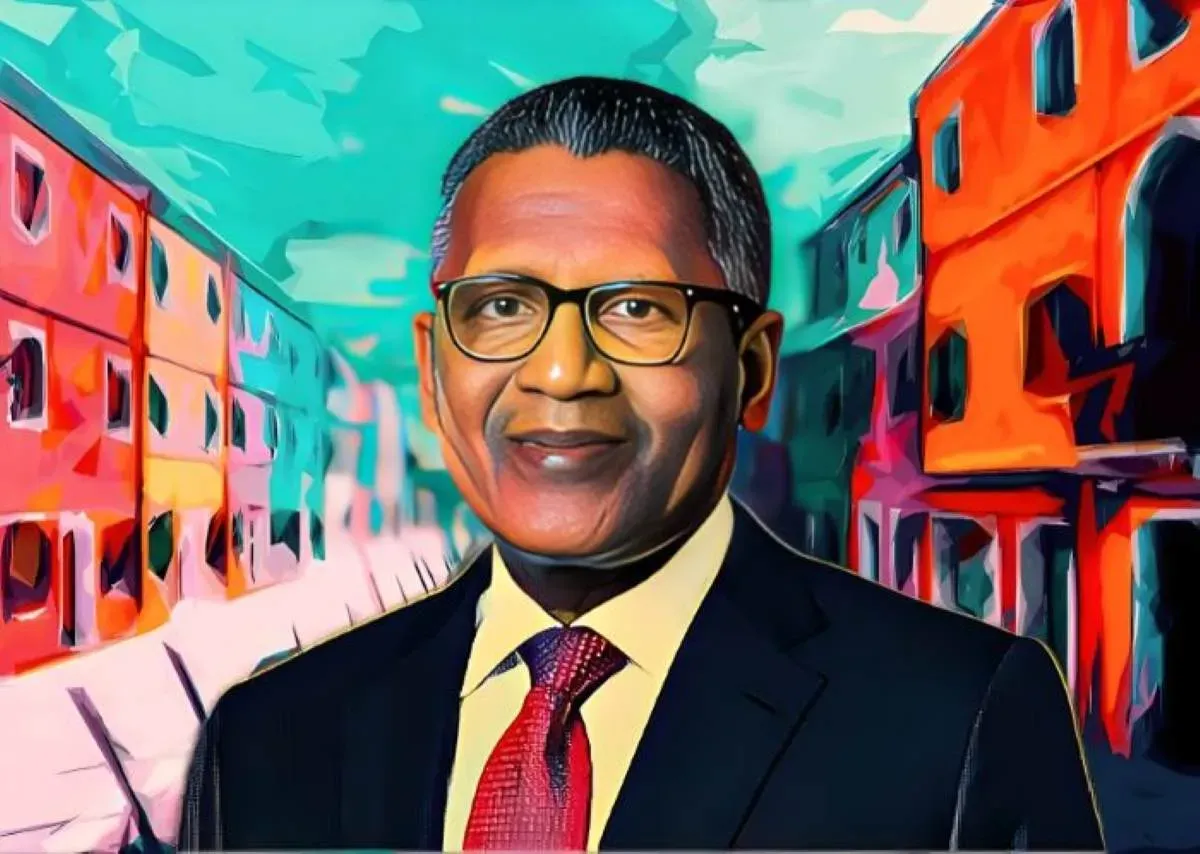
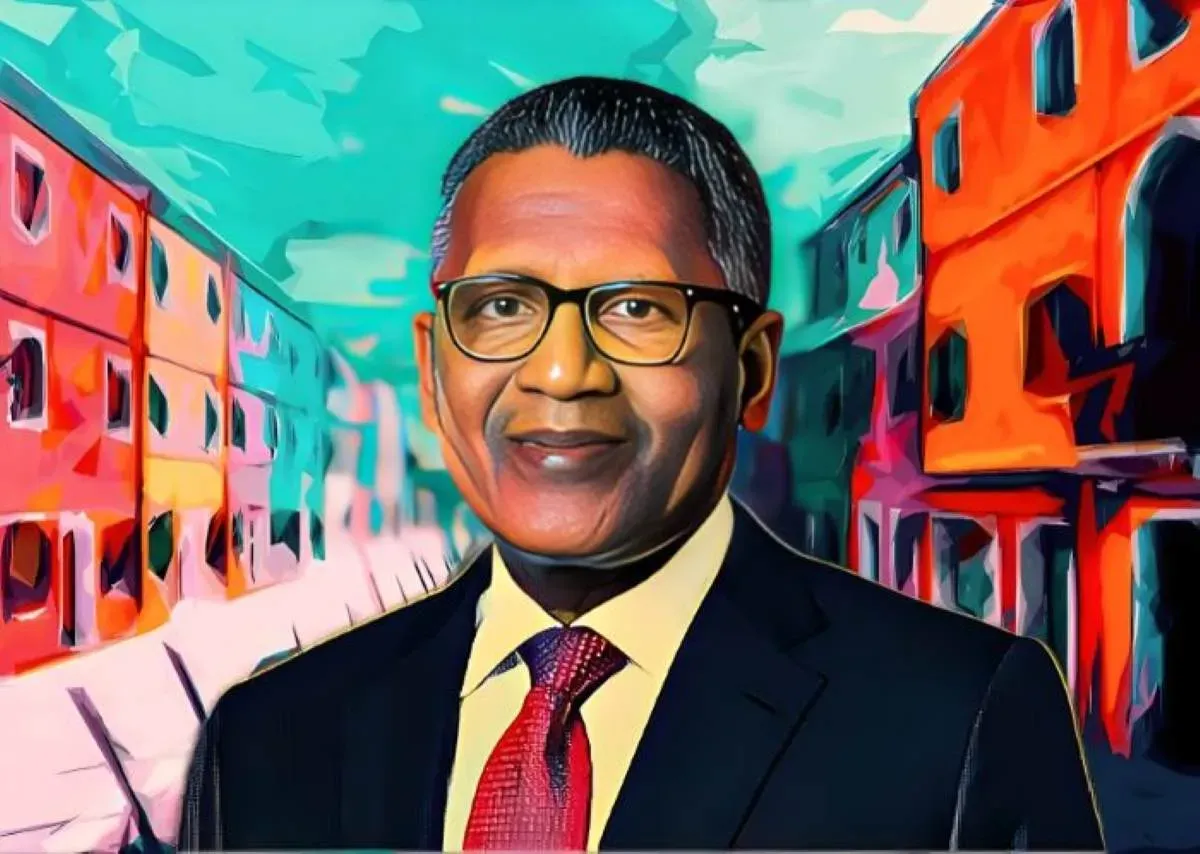
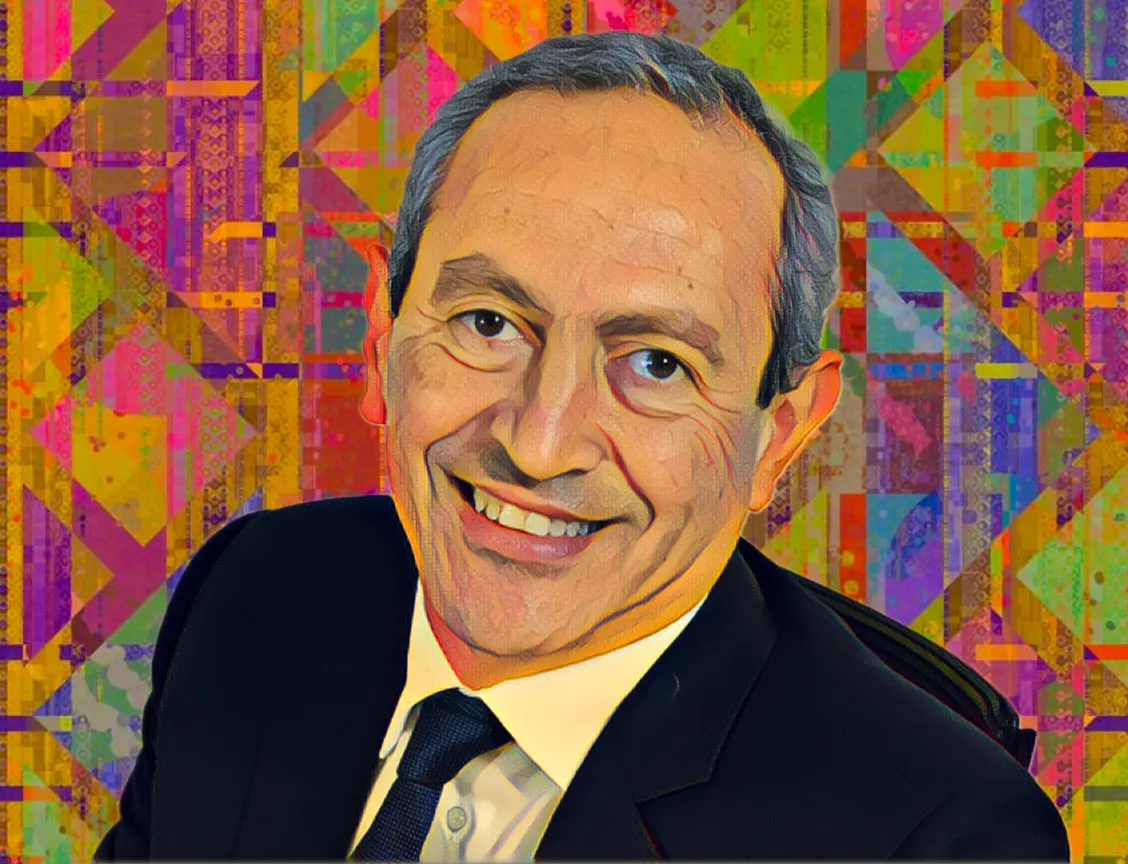
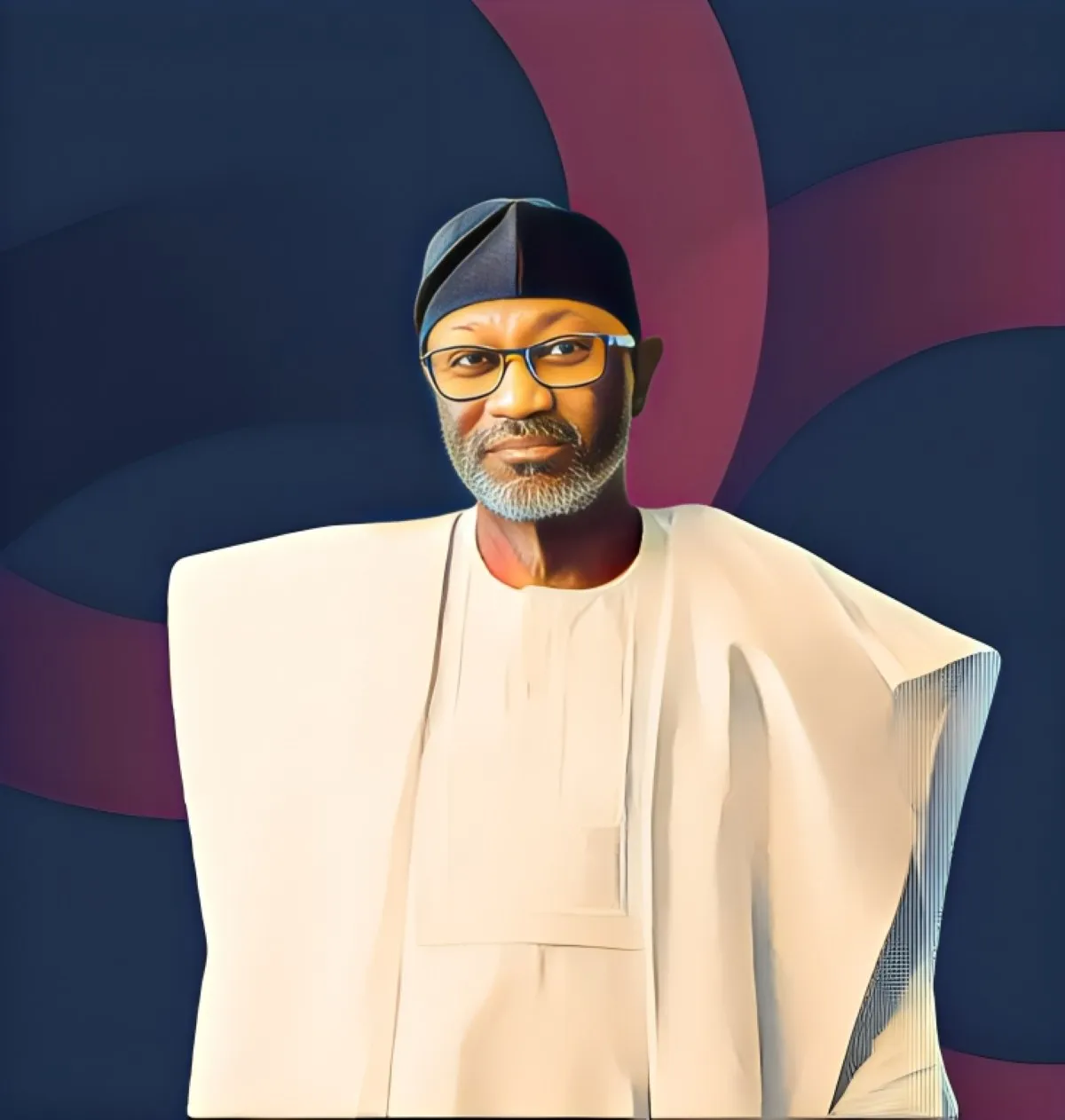
In Dubai, a city that has become a favored meeting point for global capital and quiet deal-making, Nigerian billionaire Femi Otedola recently welcomed fellow billionaire Abdul Samad Rabiu and other top dignitaries to his home. The gathering was not staged as a corporate event or public show, but it came at a moment when both men are overseeing transactions and expansions that continue to reshape some of Nigeria’s biggest companies.
The meeting took place against a backdrop of heightened business activity across Africa, with Nigerian executives increasingly balancing boardroom decisions with informal conversations that often happen far from home. Dubai, the most populous city in the United Arab Emirates and capital of the Emirate of Dubai, has emerged as one of those places where such conversations unfold naturally, away from the daily pressures of Lagos or Abuja.
For Otedola, the timing was notable. Earlier this year, First HoldCo Plc, the parent company of First Bank of Nigeria Limited, reached the Central Bank of Nigeria’s N500 billion ($346 million) minimum capital requirement for banks with international licenses. As chairman of the Lagos-based financial holding company, Otedola has been closely involved in the recapitalization process, with shareholders signaling readiness to inject additional funds into existing subsidiaries and new opportunities as regulations tighten across the sector.
Nigeria power asset sees ownership shift
Just weeks before hosting Rabiu, Otedola completed one of the most significant transactions of his career. In December 2025, he sold 77 percent of his stake in Geregu Power Plc for $750 million to MA’AM Energy Limited, a company linked to Nigerian businessman and politician Senator Abdul-Aziz Abubakar Yari.
The deal marked a decisive shift in ownership of one of Nigeria’s best-known power assets. MA’AM Energy acquired a 95 percent equity interest in Amperion Power Distribution Company Limited, the vehicle through which Otedola held most of his shares in Geregu. As a result, the indirect controlling interest previously held by Calvados Global Services Limited and Otedola in Geregu Power Plc was transferred to MA’AM Energy.
Geregu Power, listed on the Nigerian Exchange under the ticker GEREGU, has an installed capacity of 435 megawatts and remains one of the country’s most closely watched energy stocks. Otedola took control of the plant through Amperion Power in 2013 and led its listing on the exchange in 2022, making it the first power-generating company to go public in Nigeria.
At the time of listing, Amperion held a 95.56 percent stake, a level of ownership that reflected Otedola’s firm grip on the business. Since then, he has reduced his position steadily. By October, his holding had fallen to 78.05 percent after Amperion sold just over 9 million shares at N1,027.4 each, raising N9.29 billion, or about $6.25 million. The December transaction went much further, effectively ending his role as the dominant shareholder. Otedola now retains a 5.05 percent stake as Geregu continues to report strong numbers.
The company posted an 82 percent increase in pre-tax profit for the three months to September, reaching N11.2 billion ($7.62 million), according to unaudited figures. Quarterly revenue rose 37 percent to N43.8 billion, while revenue for the first nine months climbed to N131.5 billion ($89.46 million). Pre-tax profit for that nine-month period reached N37.5 billion ($25.51 million), supported by higher power generation and improved pricing.
Building industry, powering prosperity
Across the table in Dubai was Abdul Samad Rabiu, whose BUA Group has been pressing ahead with a series of manufacturing, energy and agribusiness deals. One of the most recent is an agreement with Green Power International Pvt. Ltd. to develop a 22-megawatt gas-fired power plant. The project is designed to provide a more reliable energy supply for BUA’s operations and reduce dependence on public electricity. By cutting diesel consumption, the company aims to lower costs and improve efficiency across its factories.
Between late November and early December, BUA signed several other deals that underscored the pace of its expansion. These included an agreement to acquire a Bombardier Global 8000 business jet and contracts to broaden its food and agribusiness footprint. Among them are a 32-tonnes-per-hour rice processing line and a partnership with Türkiye’s Viteral Integrated Milling Systems to build a 40-tonnes-per-hour animal feed mill in Kano. Running alongside these projects is one of BUA’s largest undertakings to date: an integrated sugar complex expected to process 10,000 tons of cane daily, generate 35 megawatts of electricity from bagasse and produce 20 million liters of industrial ethanol each year. This is aimed at reducing Nigeria’s reliance on sugar imports while supporting local farming and power generation.
The operational push has been matched by strong financial performance. BUA Foods Plc reported profit of N405.2 billion ($283.5 million) for the nine months ended Sept. 30, 2025, more than double the N201.4 billion ($140.4 million) recorded a year earlier. Revenue rose to N1.42 trillion ($987 million) from N1.07 trillion ($743.6 million), thus reflecting higher sales volumes and tighter cost controls during a period marked by inflation and supply-chain strain. BUA Cement posted similar gains, with profit rising to N289.86 billion ($200 million) from N48.97 billion ($33.6 million). Revenue increased to N858.7 billion ($590 million) from N583.4 billion ($400.7 million), while equity and total assets also grew, reinforcing its balance sheet.
Cross-Border dealmakers balance growth
Seen in this context, the Dubai meeting was less about ceremony and more about timing. Both Otedola and Rabiu are managing companies at moments of change, balancing large transactions with long-term commitments to banking, power, manufacturing and food production. Their conversation, held far from Nigeria but rooted firmly in its economy, reflected how Africa’s wealthiest business figures often operate, moving with speed between continents, closing deals, and still finding space to sit together and talk, even as the numbers on their balance sheets continue to grow.