

Table of Contents
Capital has been noisy in Africa lately, even when the macro backdrop is not. The loudest signal is not the bond market or the FX tape. It is the project tickets and takeover offers attached to a handful of ultra wealthy operators who keep betting locally, often in the most old school way possible: control supply, add capacity, own the route to market.
A decade ago, the continent’s billionaire class was often cast as traders and dealmakers, thriving on import arbitrage and distribution. That stereotype is getting harder to defend. The biggest cheques now tend to land where returns are slower, the politics is messier and the execution risk is real. Refining is a good example. It is not glamorous, it is not quick, and it is always controversial. Yet it is the kind of industrial bet that can change a country’s import bill and, by extension, its currency stress.
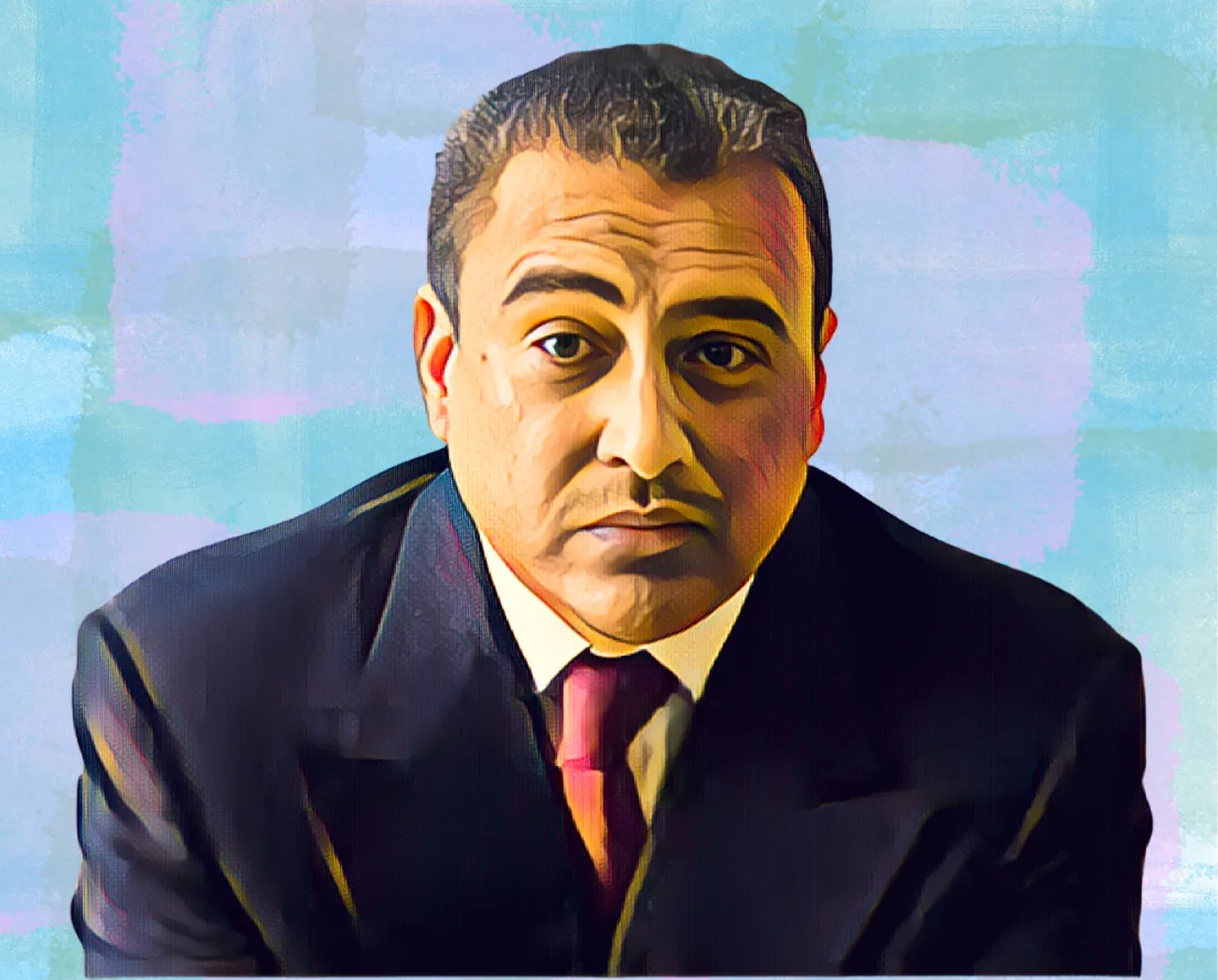
Cement is another. In East Africa, the route to pricing power is not marketing, it is clinker. Whoever controls clinker controls the cost base, and whoever controls the cost base can decide when to cut price and when to starve the market. That is why the most interesting mover of this cycle is not the usual name from Lagos or Johannesburg. It is Tanzanian industrialist Edha Nahdi, whose Amsons Group has pushed into Kenya’s listed cement market, deepened capacity in Tanzania and paired the whole play with a large power plan in Zambia.
The same logic shows up in energy and data. South Africans are turning blackouts into a subscription business through leased solar and batteries. Zimbabwe’s most famous entrepreneur is trying to industrialise computing the way earlier generations industrialised cement. And in West Africa, local capital is stepping into mining assets that global producers are pruning, buying not just ounces in the ground but optionality for the next price cycle.
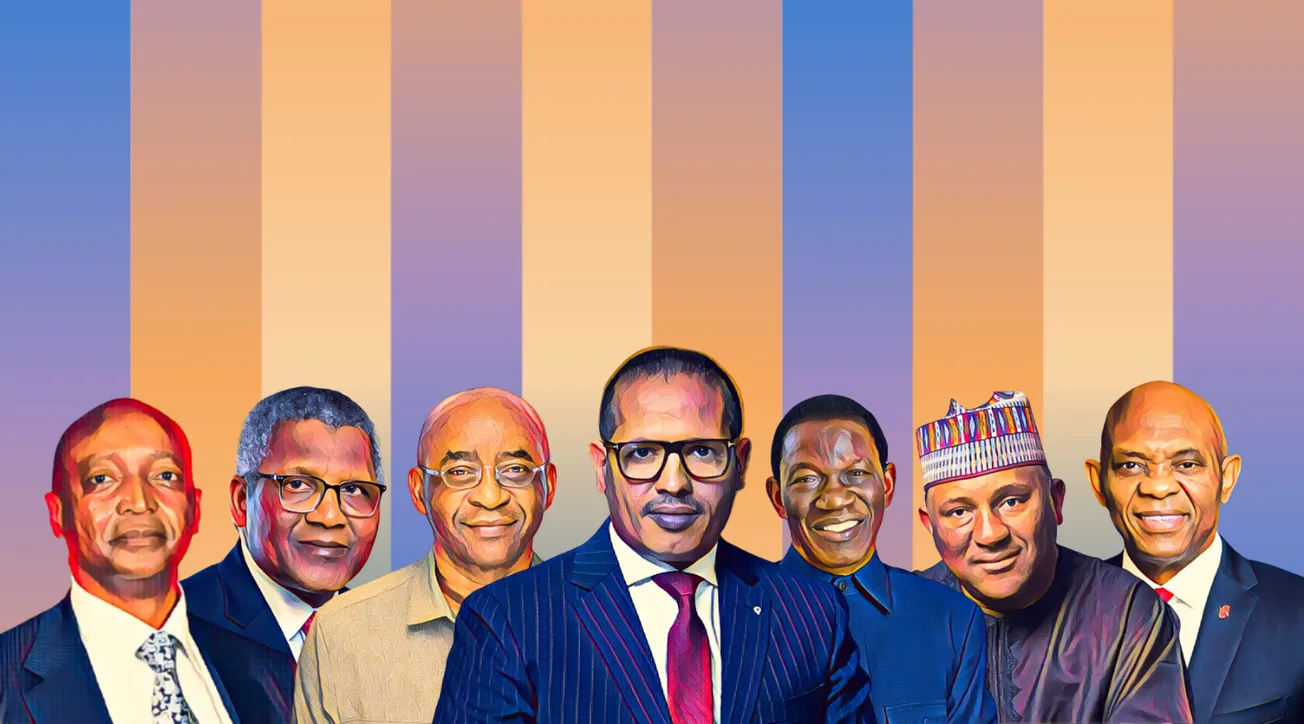
Below are the biggest disclosed cheques and clearly stated project tags from the last two years, ranked by size. Think of it as a snapshot of where Africa’s private capital leans when it decides to play offense.
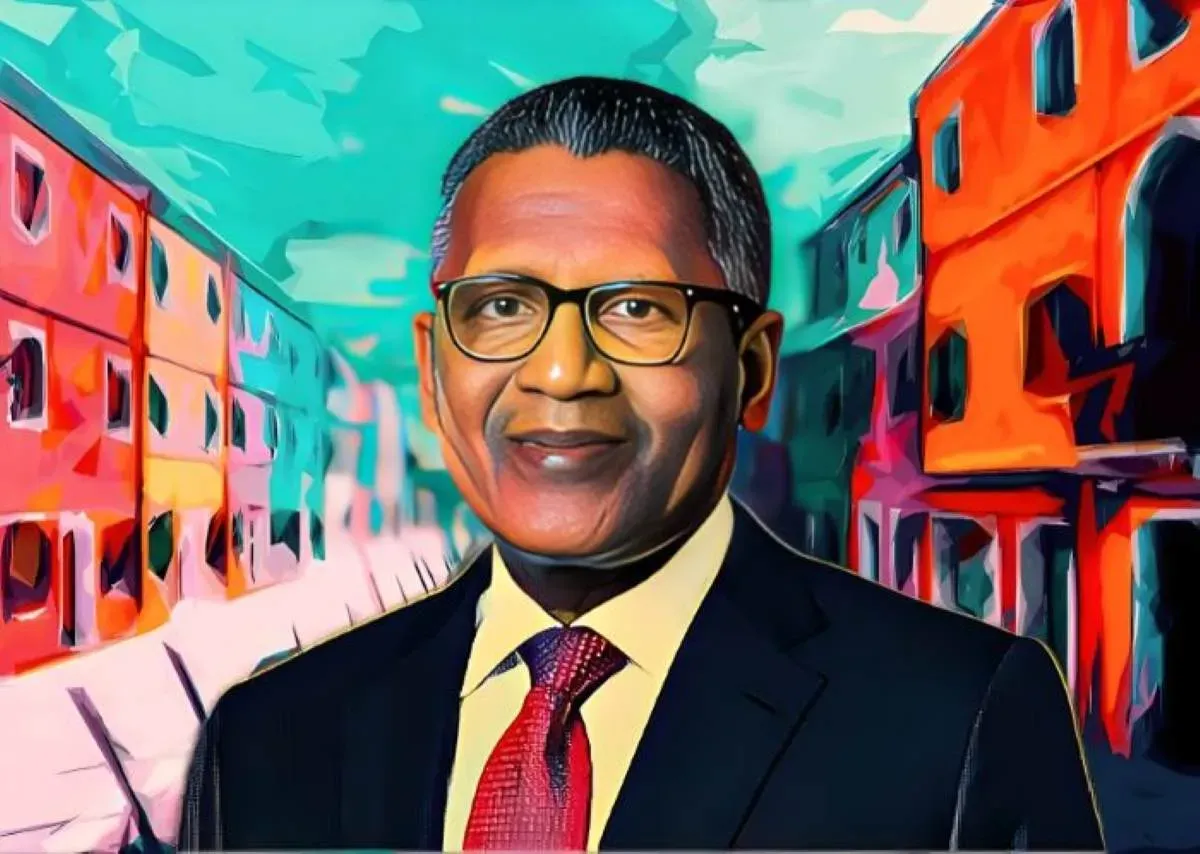
1) Aliko Dangote (Nigeria)
What: Refinery expansion, fertiliser, and a Zimbabwe industrial package
Size: Up to about $8.5 billion across disclosed plans and announced packages
Dangote’s biggest swing remains energy, and he is scaling in layers. The headline is his plan to expand the Dangote Refinery in Lagos from 650,000 barrels a day to 1.4 million. If that landing sticks, it is the kind of capacity step change that can reroute fuel flows across West Africa and tighten the region’s dependence on import cargoes.
The financing narrative is almost as big as the engineering. Reporting has pointed to Dangote pursuing about $5 billion in funding and weighing a small stake sale, a reminder that even Africa’s richest industrialist treats balance sheets as tools, not trophies.
Then comes fertiliser, with a clean number and a clear structure. Dangote signed an agreement with Ethiopia to build a $2.5 billion fertiliser plant in Gode, designed for 3 million metric tonnes a year and structured as a joint venture with a 60% Dangote, 40% Ethiopia split. It is a classic Dangote move: take a commodity that drains foreign exchange, then build the domestic substitute at scale.
The third leg is Zimbabwe, where Dangote announced at least $1 billion in investments spanning cement, power generation and a petroleum products pipeline. Read together, the pattern is consistent: replace imports, scale hard assets, and keep feedstock and infrastructure close to demand.
2) Abdulsamad Rabiu (Nigeria)
What: Integrated refinery and petrochemicals project in Nigeria
Size: $3.8 billion as widely reported in Nigerian business coverage
BUA’s refinery and petrochemicals ambition is one of the few private projects in Nigeria that sits in the true mega range. The $3.8 billion figure has been reported repeatedly in Nigerian coverage as the project’s ticket size, while international reporting has described it more broadly as a multibillion dollar undertaking.
What makes Rabiu’s posture interesting is how familiar it is. Nigerian industry rewards operators who can make local production cheaper than imports, then defend volume through distribution. Cement taught that lesson. Sugar and flour taught it again. A refinery and petrochemicals complex is the same logic, only with more regulation, more financing complexity and more geopolitical sensitivity.
If the build delivers anywhere near its ambition, it will matter beyond Nigeria because fuel and petrochemicals do not respect borders when the price is right. It also raises the competitive bar. Once domestic supply deepens, traders lose the easy margins and the market turns brutal, which is exactly what industrialists tend to want.
3) Edha Nahdi and Amsons Group (Tanzania)
What: Cement consolidation plus a Zambian power buildout
Size: About $1.83 billion on widely reported public tags, with $1.885 billion often cited in market talk depending on the figures used
Edha Nahdi does not talk like a man trying to announce himself to the world. In interviews, the 39 year old Tanzanian industrialist tends to wave off the billionaire label, calling himself a simple businessman. The cheque sizes attached to Amsons Group keep getting louder anyway.
The Amsons story starts in Kenya with a takeover offer that turned into a control play. Through its Kenyan vehicle, Amsons launched a bid for Bamburi Cement at an offer value reported around $182.89 million, pitched at KES 65 per share. That matters because Bamburi is not just another cement name. It is a listed blue chip with a brand, a distribution network and a front row seat in the region’s most liquid capital market. As acceptances rolled in, reporting described Amsons moving into an effective near total position.
Behind that headline sits the part that makes industrialists lean forward: clinker. Cement is heavy, margins can be thin, and clinker is the choke point that decides who pays for supply shocks and who sells into them. In December 2025, Bamburi signed a $250 million EPC contract with Sinoma CBMI to build a new clinker plant in Matuga, Kwale County. The plant is built around a simple idea with big consequences: stop importing a critical input, then price the market from a position of control.
Tanzania is the second anchor, and the numbers there reveal how Amsons thinks about capacity rather than headlines. Reporting around the purchase of Holcim’s stake in Mbeya Cement described the transaction value as undisclosed but estimated around $175 million for a 65% position. Then came a $320 million expansion and buildout plan that was broken down in detail: $130 million to expand Mbeya via a second plant, and $190 million to establish a new integrated cement plant in Tanga. That breakdown matters because it signals a shift from buying to building, and building is what turns a portfolio into pricing power.
Zambia is where the strategy stops being only cement and starts becoming a template. In December 2025, Amsons and Exergy Africa announced a $900 million partnership to develop up to 1,300 megawatts of new generation capacity in Zambia, split into 1,000 megawatts of solar and a 300 megawatt coal project. Timelines reported around the plan suggested an early 500 megawatts could reach the grid within about 18 months and full delivery targeted within roughly 24 months, subject to financing and permits.
That pairing of cement and power is what makes the Amsons push feel different from a typical acquisition spree. Cement is the anchor, clinker is the choke point, and energy is the hedge. Add up the most commonly cited public tags that are strongly documented and the total lands around $1.83 billion. In market conversation, a second set of figures is often used for the same constellation of moves, and that math yields about $1.885 billion. Gaps like this are common in private deals when people blend equity cheques, capex commitments and implied enterprise values into one headline number. The trajectory is still unmistakable: Nahdi is building an industrial corridor across East Africa, and he is trying to control the inputs that decide who survives the next pricing cycle.
4) Strive Masiyiwa (Zimbabwe)
What: AI compute and data infrastructure buildout across multiple African markets
Size: Up to $720 million
Masiyiwa’s Cassava is making a bet that looks like a factory build, only the factory is compute. Reporting has described investment plans of up to $720 million to deploy Nvidia accelerated computing and build an “AI factory” layer across markets including South Africa, Egypt, Nigeria, Kenya and Morocco. Later reporting also described a push to raise up to $700 million to expand and upgrade data centers for AI workloads.
It is the picks and shovels layer of the AI boom. Rather than selling apps, Cassava is positioning itself as the infrastructure that makes AI affordable and locally available. The move is also a quiet vote of confidence: someone has to build the rails before the traffic arrives at scale.
5) Patrice Motsepe (South Africa), via GoSolr and ARC linked backing
What: Household solar and battery rollout via a rental model
Size: R10 billion, about $537 million
South Africa’s energy crisis has created a market that behaves like a necessity, not a luxury. GoSolr, backed by Patrice Motsepe and linked financing partners, has been reported as planning to spend 10 billion rand to roll out solar panels and batteries to homes under a rental model.
The pitch is not complicated: take load shedding pain and turn it into a subscription, with reliable power as the product. The significance is scale. Household solar has been a story for years. The shift now is institutional capital treating it like a mass rollout business, with financing structures designed to reach customers who cannot pay upfront.
6) Tony Elumelu (Nigeria), via Heirs Energies
What: Acquisition of a major Seplat Energy stake plus new development financing
Size: $496 million stake buy, plus a $750 million financing package
Elumelu’s biggest disclosed move in this window is the acquisition of a strategic stake in Seplat Energy. Maurel & Prom agreed to sell its 20.07% holding to Heirs Energies for $496 million, while Heirs described the transaction as about $500 million. It is the kind of shareholder move that changes influence, not just cash flow.
Then came the funding layer: a $750 million financing deal with Afreximbank aimed at supporting field development and working capital needs. In oil and gas, capital availability often decides production trajectories, so the financing matters almost as much as the equity cheque.
7) Koné Dossongui (Cote d’Ivoire), via Atlantic Group
What: Acquisition of the Tongon gold mine
Size: Up to $305 million
Mining M&A does not often land with a clean local ownership headline. This one did. Barrick agreed to sell its interests in the Tongon gold mine and related permits to Atlantic Group in a transaction worth up to $305 million, including $192 million in cash and up to $113 million in contingent payments. Reporting linked the buyer to Ivorian tycoon Koné Dossongui and framed the deal as a landmark local capital moment.
Tongon is also a reminder of where African private money is increasingly comfortable. When global miners prune portfolios, local groups with capital and political familiarity are stepping in to buy assets that still throw off value, especially when the structure includes contingents tied to performance.