

Table of Contents
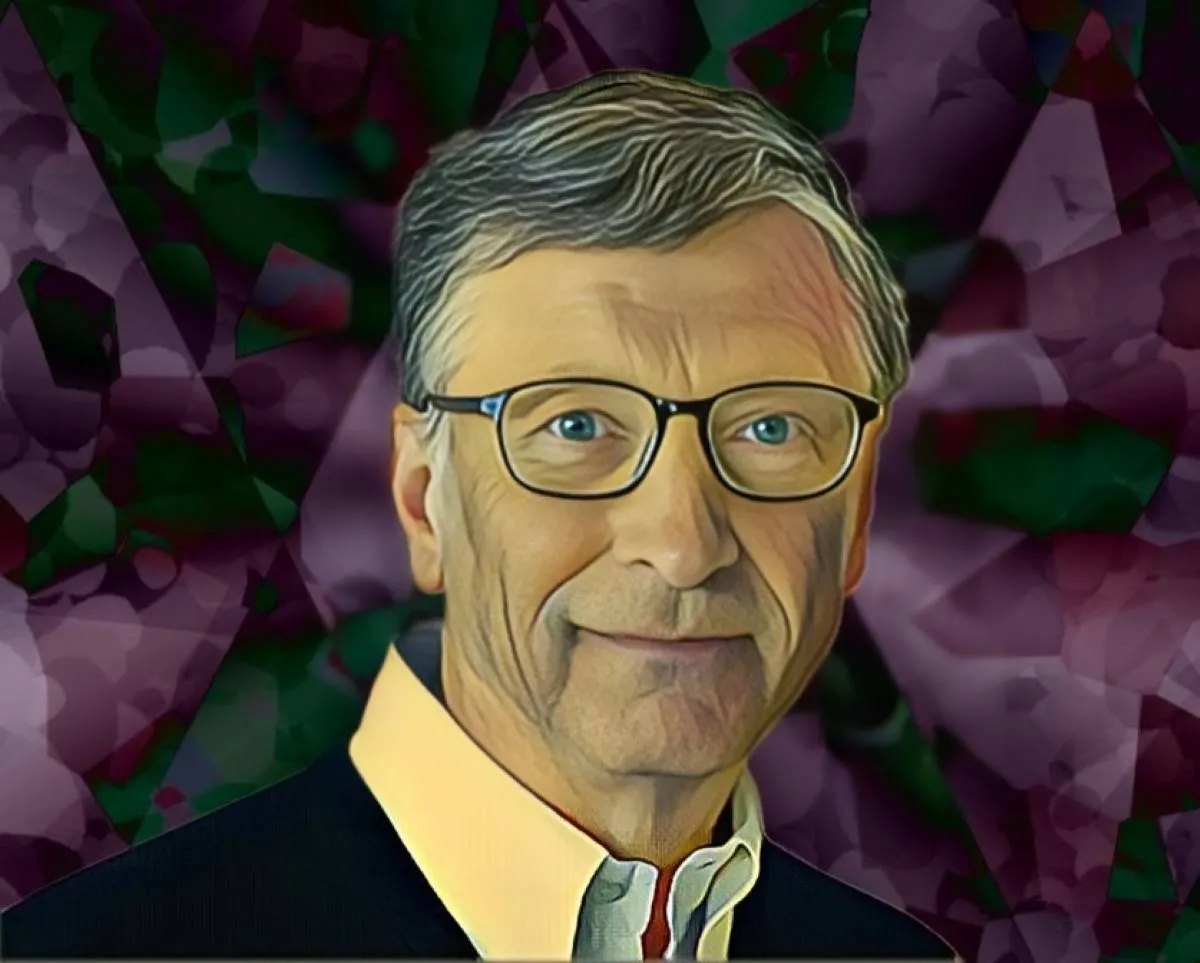
The Gates Foundation, co-founded by American billionaire Bill Gates, has partnered with OpenAI, the artificial intelligence company behind ChatGPT, to bring AI tools into Africa’s primary healthcare system. The initiative includes a $50 million commitment to support a multi-year rollout of digital health tools in 1,000 clinics by 2028.
The program is aimed at easing pressure on frontline health workers across the continent, where shortages of trained staff, limited resources and rising patient demand continue to strain basic care delivery. The effort reflects a growing push by global donors to move beyond funding alone and invest in tools that can help health systems work better on a day-to-day basis.
Bill Gates, who now leads the foundation after stepping back from Microsoft, said the project aligns with his long-standing focus on practical solutions for low- and middle-income countries. “I’m looking forward to seeing health workers using some of these AI solutions in action when I visit Africa,” Gates said. “I plan to keep focusing on how AI can help billions of people meet their most important needs.”
Gates, OpenAI test Rwanda health AI
The initiative, known as Horizon 1000, will start in Rwanda and is intended to serve as a testing ground before expanding to other countries. It brings together the Gates Foundation’s decades of work in global health with OpenAI’s push to apply its technology beyond research labs and consumer products.
Under the program, AI tools will help health workers navigate treatment guidelines, handle administrative tasks and support clinical decisions. By cutting down time spent on paperwork and reference checks, the tools are expected to free up more time for patient care. The approach also reflects changing patient behavior, as more people already rely on digital platforms to understand symptoms, treatment options and care pathways.
For OpenAI, the partnership is another step toward applying fast-moving AI technology in settings with limited infrastructure. “AI will be a scientific breakthrough regardless,” OpenAI Chief Executive Officer Sam Altman said. “But for it to matter to society, we have to use it to improve people’s lives.”
Gates pledges Africa-focused health investment
The collaboration follows a broader shift in Bill Gates’ philanthropic focus. In June 2025, he pledged to direct most of his $200 billion lifetime giving toward Africa over the next two decades. Speaking at the African Union headquarters in Addis Ababa, Gates said the funds would prioritize governments that put health and human development at the center of policy.
He emphasized primary healthcare, especially services for women and children, noting that early nutrition and maternal health have lasting effects. “Making sure a woman is healthy before and during pregnancy makes a huge difference,” Gates said. “And ensuring a child gets good nutrition in the first four years of life changes everything.”
Gates pointed to countries including Ethiopia, Rwanda, Zimbabwe, Mozambique, Nigeria and Zambia as examples of steady progress despite economic pressure. He cited expanded health services, improved use of data and new tools to combat malaria and HIV as signs that local solutions can deliver results.
Looking ahead, Gates said Africa has an opportunity to build health systems that make use of new technology from the outset. Drawing a parallel with the rise of mobile money, he noted that young innovators across the continent are already finding ways to apply AI to local problems. “You have a chance to build healthcare systems that work better from the start,” he said.