

Table of Contents
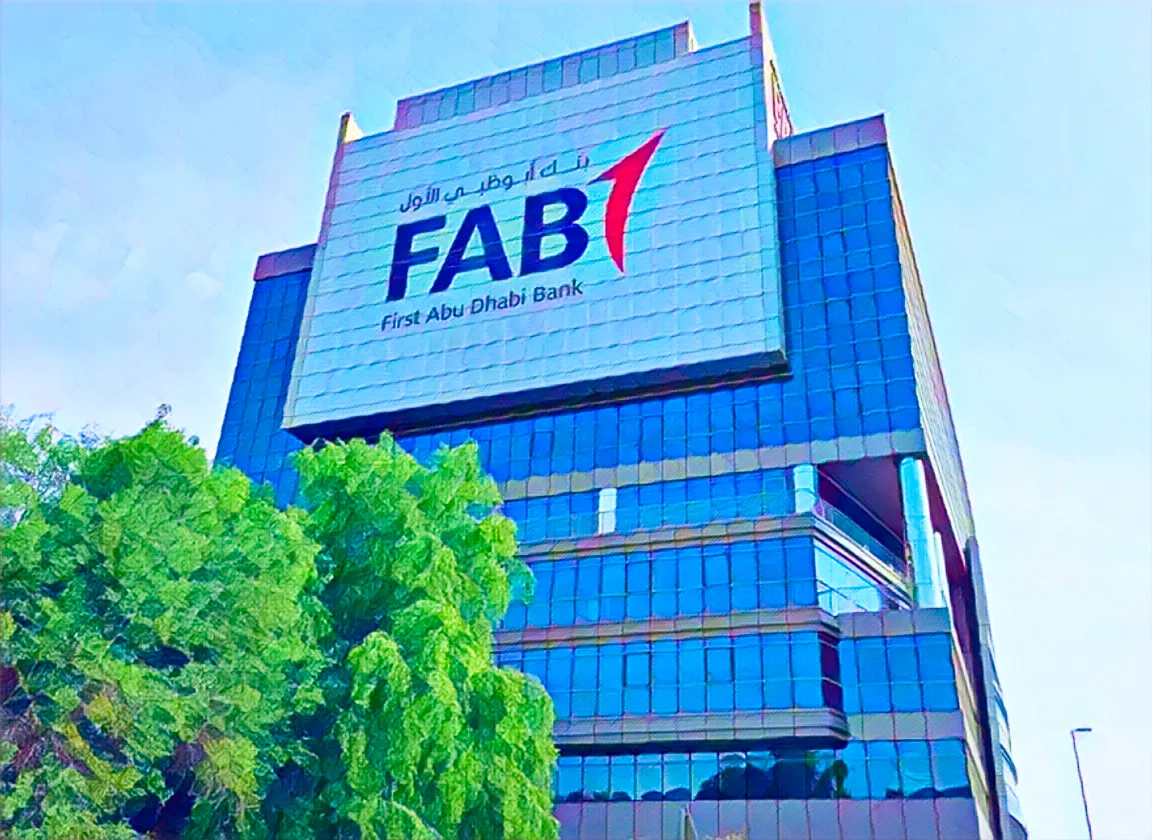
First Abu Dhabi Bank, the United Arab Emirates’ largest lender, is preparing to open a representative office in Lagos, marking its first physical presence in Nigeria as it looks to deepen its push into sub Saharan Africa.
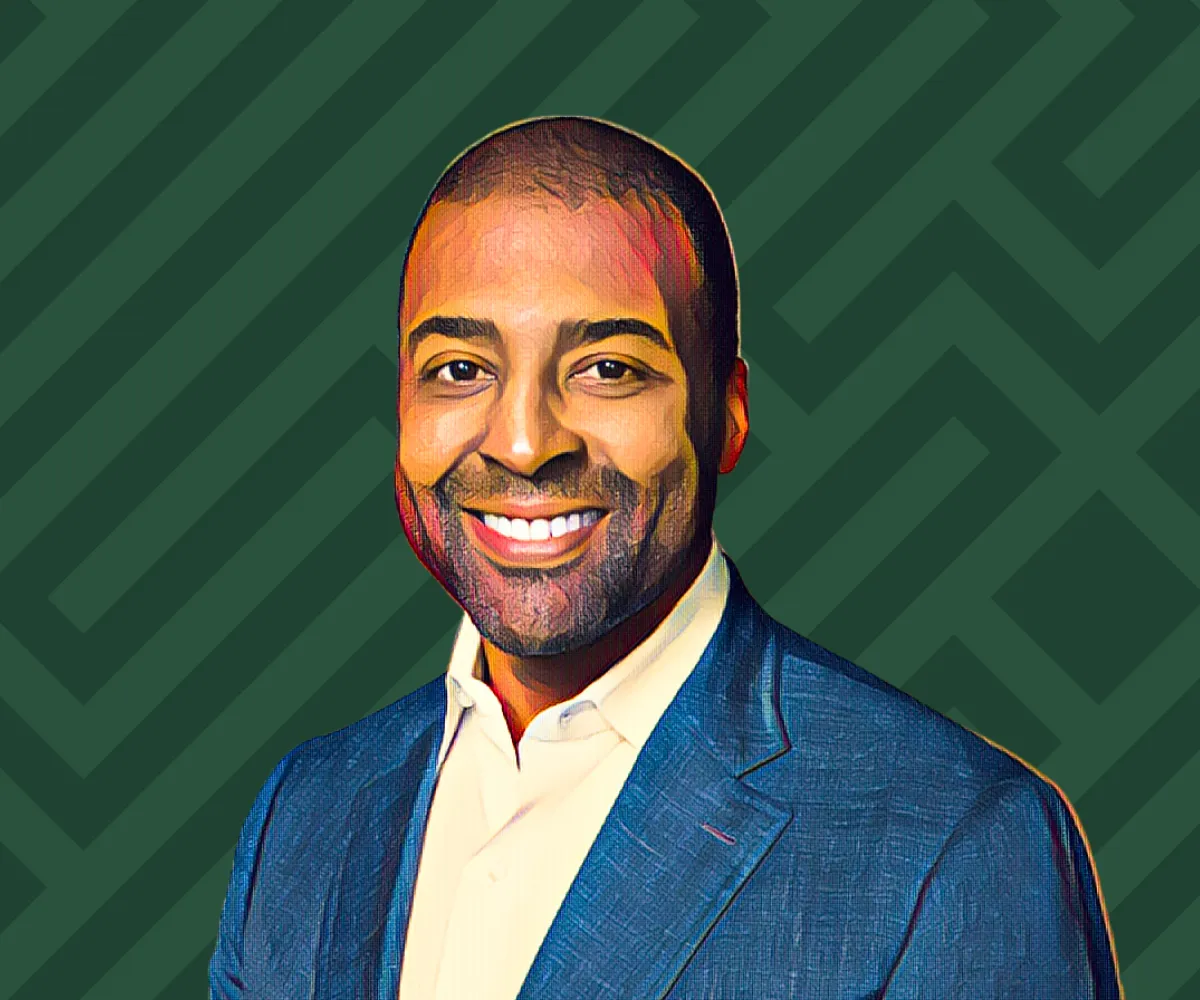
The bank expects to set up the Lagos office in the coming weeks, according to Martin Tricaud, group head of wholesale banking at First Abu Dhabi Bank. He spoke on Monday at the Investopia Africa conference in Lagos.
Nigeria would become the bank’s 22nd country of operation, adding to its footprint across the Middle East, Europe, Asia and North Africa. In Africa, the lender already operates in Egypt and Libya.
The planned entry comes after a period of growing involvement in Nigeria’s infrastructure and energy sectors. First Abu Dhabi Bank recently partnered with the African Export Import Bank to provide 1.126 billion dollars in financing for a section of the Lagos Calabar Coastal Highway, one of the country’s most ambitious road projects.
Tricaud said the decision to enter Nigeria followed an extended period of internal review.
“The decision to enter Nigeria is the result of a long reflection and detailed study,” he said. “We were convinced we needed a presence in sub Saharan Africa, and Nigeria, particularly Lagos, stood out.”
He said the bank’s earlier engagement with Nigeria focused largely on energy, reflecting the UAE’s long standing expertise in oil, gas and renewables. Nigeria’s role as a major energy producer helped the lender build relationships across both the public and private sectors.
Over time, those relationships opened the door to broader opportunities.
“But we felt there were more opportunities,” Tricaud said, pointing to infrastructure as a key area of growth.
He said the bank worked closely with Nigeria’s Ministry of Finance, construction firm Hitech and the Chagoury Group to structure financing for the coastal highway. A recent site visit, he added, highlighted both the speed of construction and the project’s potential economic impact.
Beyond direct lending, the bank is using syndication and partnerships to draw international capital into Nigeria. Tricaud said First Abu Dhabi Bank has worked alongside the Islamic Development Bank and other global financiers to spread risk and mobilise funding.
“We have mobilised a significant amount of capital, not on our own,” he said. “There will be distribution and syndication. This shows Nigeria can attract international capital into infrastructure.”
He described the coastal highway financing as an early step, with more investments expected in roads, highways and related projects.
Speaking on a panel that included Lagos State Governor Babajide Sanwo Olu and Nigerian Ports Authority Managing Director Abubakar Dantsoho, Tricaud said Africa’s long term demographics and growth prospects continue to shape the bank’s strategy.
Africa’s population of about 1.4 billion people is expected to rise sharply in the coming decades, while economic growth across the continent is projected to outpace many developed markets. That combination, he said, makes the region difficult for global banks to ignore.