

Table of Contents
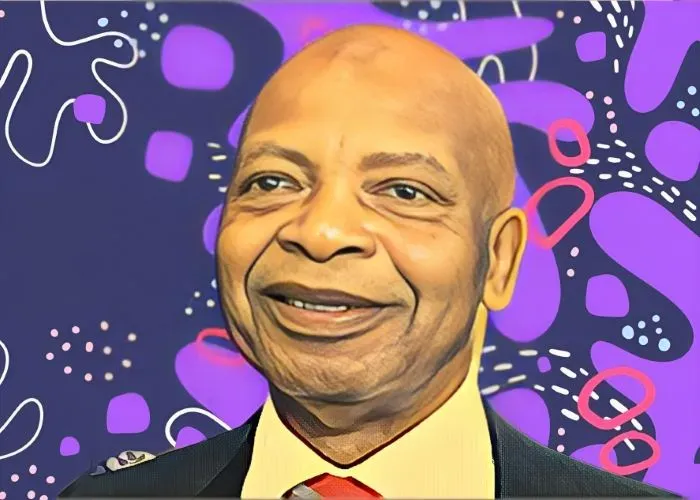
Arthur Eze, the Nigerian businessman whose Oranto Group helped build a sprawling footprint in Africa’s upstream oil and gas sector, has suffered a sharp reversal in Equatorial Guinea after his affiliate Atlas Petroleum lost its stake in a prized offshore licence following a payment dispute with Chevron.
Atlas held 27% of Block I, a licence that includes the Aseng field and is viewed as central to Equatorial Guinea’s effort to keep its gas export system supplied in the years ahead. That interest has now been taken over by the country’s state oil company, GEPetrol, which already owned 5%, according to people familiar with the arrangements and details outlined in the deal documentation.
Chevron, the U.S. major that operates Block I, had accused Atlas of delaying payments for costs due on the licence and had been seeking ways for months to part company with the Nigerian partner. The change in ownership removes the obstacle that had kept Chevron from reaching a final investment decision on the Aseng Gas Monetization Project, a development expected to run into several billion dollars.
The shift also highlights how quickly leverage can change for minority partners when an operator and host government decide a project is too strategic to stall. Equatorial Guinea’s gas system is heavily reliant on keeping volumes flowing to the EGLNG plant on Bioko island, an export hub that has taken on increased importance as mature fields decline and competition for investment grows.
Under the new structure, GEPetrol’s expanded stake will be carried by Chevron as development moves forward, allowing the state company to participate without immediate cash calls. Chevron is expected to recoup money it has lent to GEPetrol from future gas production, creating a mechanism that keeps the project moving while shifting near term financing away from Malabo’s balance sheet.
The Aseng project is designed to send gas by pipeline to the Punta Europa complex and the EGLNG facility, operated by Marathon Oil, now a subsidiary of ConocoPhillips. Another shareholder in Block I is commodities trader Gunvor, reflecting the mix of producers and marketers that typically sit behind LNG export volumes.
A development agreement that sets out the route to connect Aseng to the Punta Europa plant was signed in Malabo on Jan. 30. Chevron was represented by Bernardo Cuaresma Lobe, a company vice president, accompanied by Jim Swartz, head of Chevron Nigeria. Equatorial Guinea’s hydrocarbons minister, Antonio Oburu, signed on behalf of the government.
Eze, long known in Nigerian business and political circles for his influence and connections, has built Oranto into one of Africa’s most active private upstream groups, with interests stretching across multiple countries. The Equatorial Guinea setback underscores the risks for privately held firms operating as minority partners in capital intensive projects, particularly when funding plans do not materialise on time.
Atlas had argued it would settle its obligations on Block I and suggested it might secure financing through trader Vitol. People briefed on the discussions said the promised support never arrived, and the government moved to take over the stake rather than allow the project to drift.
Chevron’s push in the region also extends across the maritime border. Equatorial Guinea has backed efforts to align development of Cameroon’s Yoyo and Yolanda gas fields, located on either side of the boundary between the two states, with the same objective of feeding gas into Punta Europa. A unitisation agreement for Yoyo and Yolanda was signed on Feb. 3 by Swartz and Nathalie Moudiki, legal director of Cameroon’s national oil company, Société Nationale des Hydrocarbures.
Eze’s group has faced other setbacks in Africa, including the loss of licences in Senegal, and the Block I outcome adds to scrutiny of how private oil players finance commitments when operators and governments are determined to move ahead.