

Table of Contents
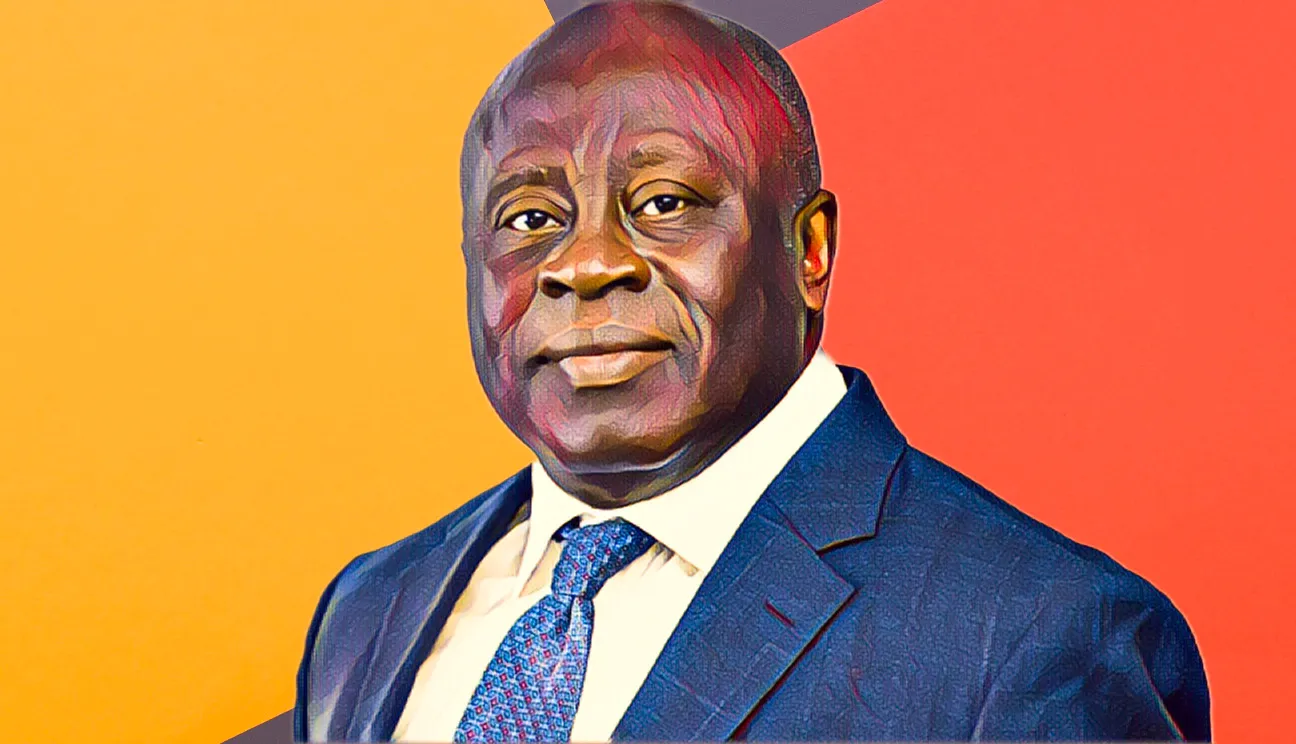
Senzo Tsabedze, the founder and executive chairman of Afrirent Holdings, is pushing his transport and logistics group deeper into South Africa’s industrial supply chain with a planned acquisition of Busmark 2000, a Randfontein based bus manufacturer that has been in business rescue for more than three years.
Afrirent said the deal, struck through its investment holding unit Afrirent Investment, is subject to outstanding suspensive conditions expected to be finalised in February 2026. The Competition Commission gave the transaction unconditional approval in January, clearing one of the key regulatory hurdles.
Busmark, a specialist builder of bus bodies for commuter, semi luxury and coach markets, entered business rescue in August 2021. Afrirent said it was the successful bidder to acquire 100% of the shares, a structure designed to allow Busmark to exit business rescue as a going concern rather than a business broken up for parts.
The purchase is a notable shift for Afrirent, which is best known for fleet management, telematics and logistics services in both the public and private sectors. By adding manufacturing capability, the group is positioning itself to supply and maintain high capacity vehicles across their full lifecycle, from production to monitoring, servicing and replacement.
Tsabedze cast the move as an industrial bet, not just a portfolio addition.
“This acquisition is more than a business transaction; it is a commitment to the future of South African manufacturing,” he said, adding that bringing Busmark into the group would help protect a key domestic original equipment manufacturing capability and support further innovation in vehicle production.
He also welcomed the Competition Commission’s clearance, saying regulators found the merger would not substantially lessen competition and raised no significant public interest concerns, an important point in a sector where job security and local capacity often shape merger debates.
Afrirent credited the Industrial Development Corporation for supporting Busmark through the business rescue process and helping the transaction reach the finish line. People close to the talks said continuity of operations and skills retention were central to the rescue plan, with the deal intended to stabilise the business and prevent job losses.
Busmark’s portfolio extends beyond passenger buses. The company also produces specialised vehicle bodies, including emergency service units and safari game drive vehicles, a niche that has grown alongside tourism and public safety demand.
Afrirent, established 23 years ago and described by the group as 100% Black owned, has expanded beyond transport into hospitality and property linked investments. It has cited interests including a bid win to develop a R2.8 billion mixed use hotel and property project in Cape Town, a majority stake in High Street Auctions, and a hospitality portfolio held through its Indalo Hotels and Leisure unit.
That portfolio includes the Protea Hotel in Mahikeng, Skukuza Golf Course, the Fountains Hotel in Cape Town, Ba Phalaborwa Hotel Golf and Spa, and a Canopy by Hilton in Rosebank, according to the company.
Afrirent said the Busmark acquisition is meant to lock in a strategic role in South Africa’s transport infrastructure value chain, pairing manufacturing with its existing logistics and fleet services as the country faces renewed pressure to modernise public transport and keep vehicles on the road.