


Table of Contents
Bill Gates, a billionaire philanthropist, has denied rumors on social media that he is connected to a reported rise in mosquito activity in Kenya. His organization called the charges incorrect and misleading.
The Gates Foundation issued a statement after online accusations suggested that mosquitoes released from laboratories linked to Gates were responsible for increased biting incidents, particularly in Nairobi. The reports spread quickly on social media, which led the organization to make an official statement.
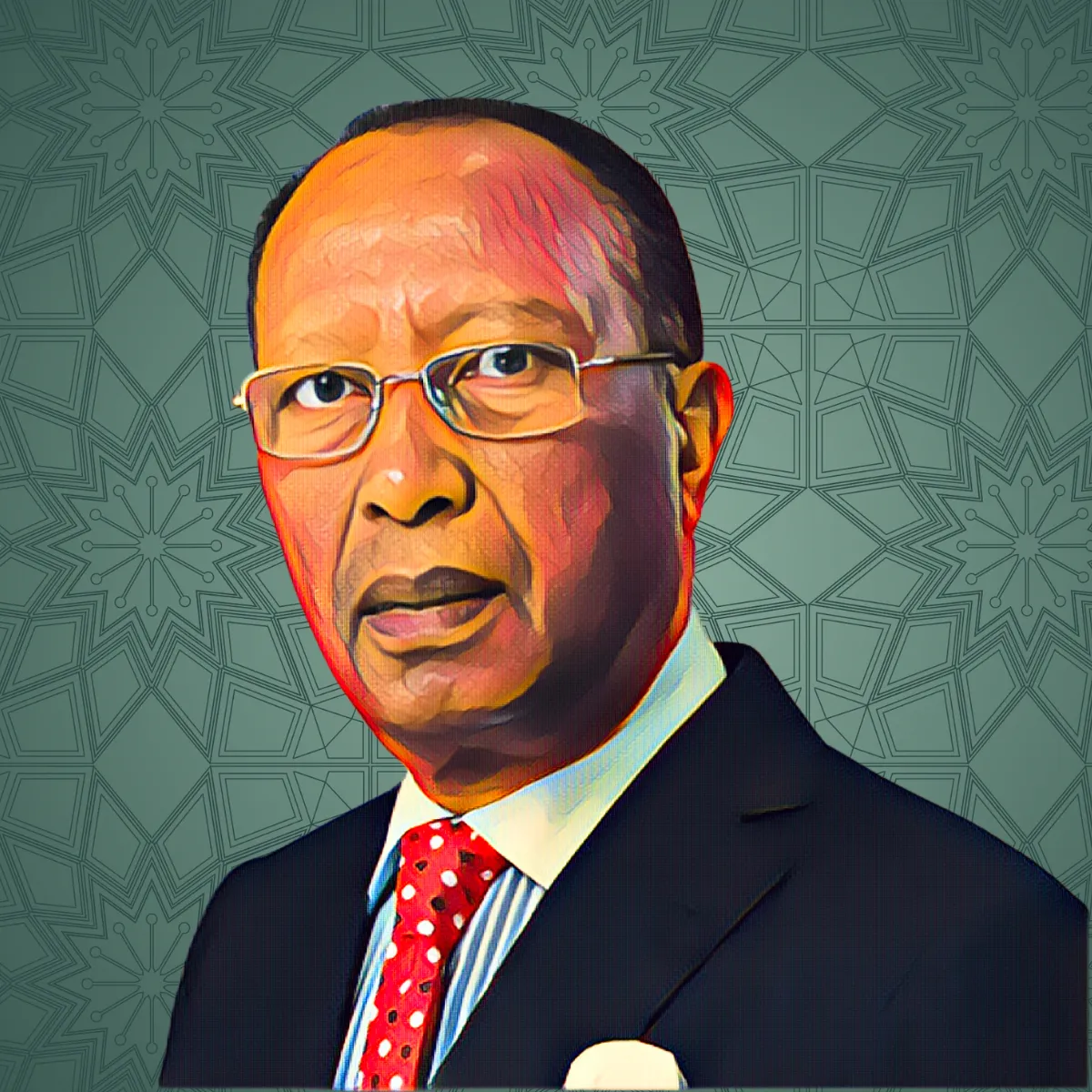
Senior Counsel and politician Paul Muite's comments about the foundation releasing genetically engineered mosquitoes as a way to treat malaria caused the uproar. In a post shared online, Muite alleged that such actions were harming children and elderly residents.
The Gates Foundation said the accusations misrepresent its role in Kenya public health initiatives. In a statement posted on social media, the organization stressed that it does not release mosquitoes, operate laboratories involved in insect release, or manage vector control activities in Kenya or elsewhere.
Foundation officials said Bill Gates has no involvement in any direct biological interventions and that the foundation work focuses on funding research and supporting programs led by local authorities. They described the rumors as part of a broader pattern of misinformation surrounding public health efforts.
Addressing regulatory concerns, the foundation emphasized that all activities it supports in Kenya are carried out in compliance with national laws and under the oversight of Kenyan institutions. It said it does not bypass government processes or impose policies on host countries.
The statement says that the Kenyan government is in charge of preventing and controlling malaria through established organizations and initiatives. These include the distribution of long lasting insecticidal nets and indoor residual spraying, overseen by the National Malaria Control Programme under the Ministry of Health.
The foundation said its role is limited to supporting Kenyan led priorities through funding, research partnerships and technical collaboration. It noted that decisions on implementation rest entirely with local experts and regulatory bodies.
While the Gates Foundation supports global research into new tools to fight malaria, including initiatives focused on mosquito biology, it clarified that such projects are conducted under strict ethical and regulatory frameworks. The organization said operational decisions in Kenya remain the responsibility of local institutions.
People in Kenya have had different reactions to the claims. Some are worried, while others want more people to know about how to control malaria. Health experts have said that false information can make people less likely to believe established ways to stop the spread of disease.
Malaria remains a major public health challenge in Kenya and across the region, particularly in areas with limited access to healthcare. Officials say continued investment in prevention and education is critical to reducing transmission.
The Gates Foundation said Bill Gates remains committed to supporting evidence based public health efforts and called on the public to rely on verified information from health authorities rather than unsubstantiated claims circulating online.