

Table of Contents
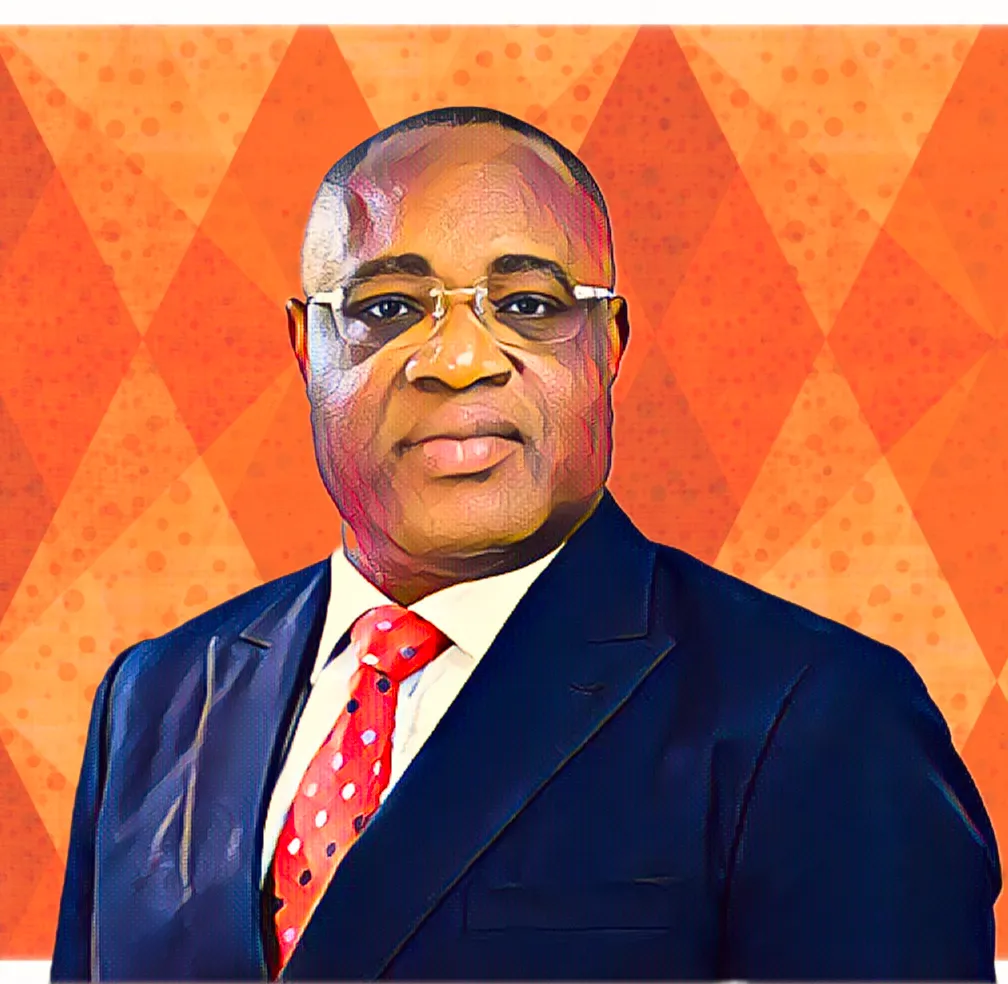
Founder and Group Managing Director of Rainoil Limited, Dr Gabriel Ogbechie, has called for a revival of Nigeria pipeline infrastructure and the adoption of fair and predictable pricing policies to unlock sustainable growth in the country energy sector.
Speaking at the Midstream and Downstream Transformation Debate during the Nigerian International Energy Summit in Abuja, Ogbechie said infrastructure reform and market discipline are essential to building long term domestic value.
He argued that strong pipeline systems remain central to connecting supply with demand, promoting industrial expansion and safeguarding national energy security. According to him, Nigeria already possesses the backbone required to improve distribution efficiency but has failed to maintain and protect it.
Ogbechie said vandalism and crude theft have weakened confidence in pipeline operations and must be tackled through intelligence based monitoring and stricter enforcement of legal frameworks. Without security and accountability, he warned, infrastructure investments would continue to underperform.
Reflecting on the evolution of the downstream sector, Ogbechie noted that Nigeria has gradually moved away from the era of persistent fuel scarcity. For decades, the country four state owned refineries were largely inactive, forcing heavy reliance on imported petroleum products despite being Africa largest oil producer.
He described the emergence of the Dangote Refinery as a turning point in the industry. According to him, the new refining capacity has brought renewed optimism and introduced a different operating reality for marketers and distributors.
Ogbechie said the sector is currently navigating disruption as it adjusts to increased domestic supply and shifting market dynamics. He emphasized that cooperation between refiners and downstream marketers would determine whether the transformation delivers lasting value.
He cautioned that pricing must be guided by transparency, equity and fairness. In his view, unpredictable or inequitable pricing structures could distort the market, discourage investment and erode value rather than strengthen it.
Ogbechie stressed that pricing policies should balance the interests of producers, marketers and consumers while remaining stable enough to support long term planning. Investors, he said, require clarity and confidence to commit capital.
Distribution inefficiency, he added, remains another critical challenge. Ogbechie criticized the heavy dependence on trucks to transport fuel across vast distances, describing the approach as economically inefficient and damaging to public infrastructure.
He said transporting petroleum products from Lagos to distant northern cities by road increases costs, strains highways and exposes communities to avoidable safety risks. In contrast, pipelines provide a more efficient and secure alternative.
According to Ogbechie, Nigeria already has an extensive underground pipeline network linking major cities and former refinery hubs. He urged policymakers and industry players to return to a model that leverages these assets rather than relying primarily on road haulage.
On regulation, Ogbechie expressed support for the leadership of the Nigerian Midstream and Downstream Petroleum Regulatory Authority. He said the regulator must act firmly and impartially, particularly in a market structure that increasingly resembles an oligopoly.
Under Ogbechie leadership, Rainoil has expanded across the downstream value chain with investments in storage depots, retail outlets and liquefied petroleum gas plants, reinforcing his call for a more efficient national energy framework.