

Table of Contents
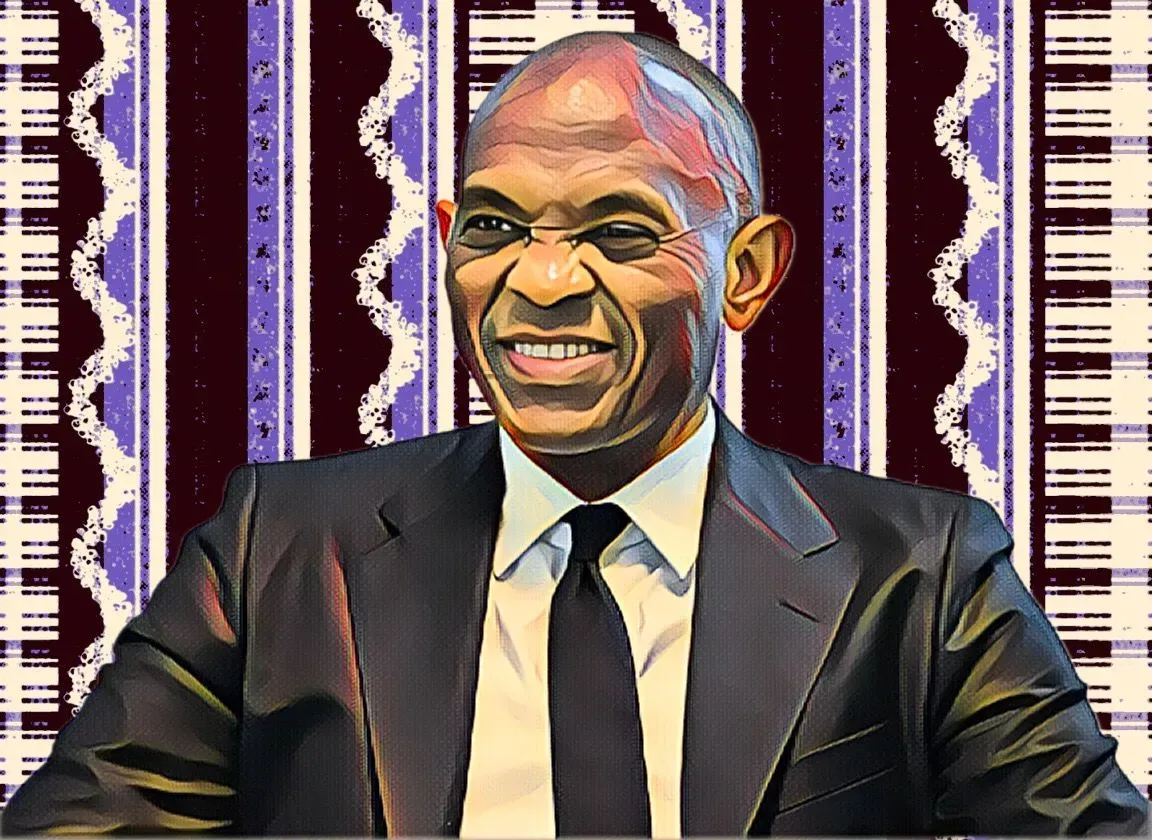
Nigerian investor and philanthropist Tony Elumelu said President Bola Tinubu told him the government is pushing harder on youth entrepreneurship, small business growth and power sector reforms, themes that have become central to Tinubu’s pitch as his economic program reshapes prices, wages and consumer demand.
Elumelu, chairman of Heirs Holdings and founder of the Tony Elumelu Foundation, spoke after a visit to the State House that he said was held in his role as a member of the presidential economic advisory structure. He described the discussion as frank and focused, with Tinubu seeking feedback from business leaders as he tries to steer Africa’s largest economy through reforms that have sparked both praise and public frustration.
In comments shared on social media and repeated to journalists, Elumelu said he left encouraged by Tinubu’s assurances on expanding opportunities for young Nigerians and strengthening small and medium sized enterprises. He said the president also signaled urgency around electricity reforms, arguing that reliable power remains the backbone for investment, job creation and competitiveness.
Nigeria’s power troubles have long squeezed households and companies, forcing factories and small businesses to rely on diesel and petrol generators that raise costs and limit production. Elumelu has repeatedly linked stable power to industrial growth, and his business interests include major stakes in electricity generation through the Transcorp group.
The meeting comes as Tinubu’s administration presses ahead with changes that include a looser foreign exchange regime and efforts to improve investor confidence. Elumelu has publicly suggested that access to foreign exchange is less of a daily emergency for businesses than it was previously, pointing to what he called a more predictable environment in the currency market.
That shift matters for importers, manufacturers and banks, sectors that were often whipsawed by multiple exchange rates and sudden shortages. Investors, Elumelu said, watch policy direction closely, and a clearer framework can be as important as headline numbers when it comes to committing long term capital.
Elumelu is one of Nigeria’s most recognizable business figures, known for an investment career that spans banking, energy and hospitality. He chairs United Bank for Africa and the Transnational Corporation of Nigeria, and he founded Heirs Holdings in 2010 as a family investment company with interests across financial services, power, energy and real estate.
He is also the face of a philanthropic effort that has become a major pipeline for early stage entrepreneurs across the continent. The Tony Elumelu Foundation’s flagship program provides training, mentoring and seed capital, and the foundation says it has supported tens of thousands of entrepreneurs while offering business training to millions through its digital platform. Tinubu’s emphasis on youth enterprise, Elumelu suggested, aligns with that larger goal of turning informal hustle into scalable companies.
Officials have said the private sector has a role not only as a beneficiary of reforms but as a partner in execution, especially in areas like power where investment needs are vast. Business leaders, in turn, have urged the government to stabilize rules, enforce contracts and address bottlenecks that make it difficult to plan.
Elumelu said his exchange with Tinubu reinforced his optimism that the administration intends to pair reforms with targeted support for businesses. He highlighted small firms as the biggest employer base, and argued that improving access to finance and reliable power would do more for job creation than short term interventions.
The presidency did not immediately release a detailed readout of the visit, but the engagement fits a pattern of consultations with major investors as Tinubu’s government tries to build momentum for an agenda that aims to lift growth while managing the pain that often comes with policy resets.
Elumelu, asked what he took away from the meeting, framed it as a signal that the government wants practical input and measurable outcomes, especially on power and youth jobs, areas where Nigerians are impatient for change.