

Table of Contents
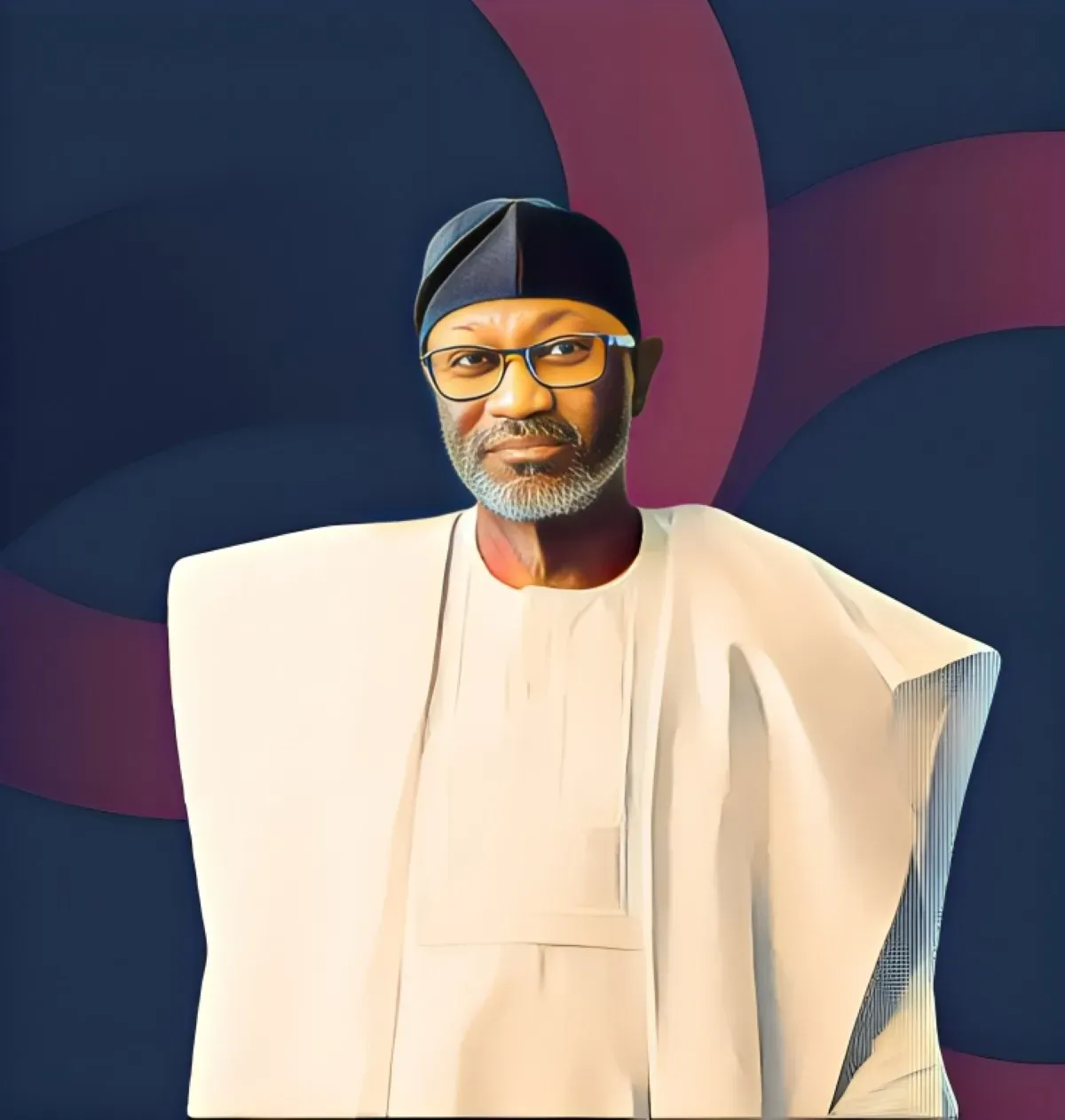
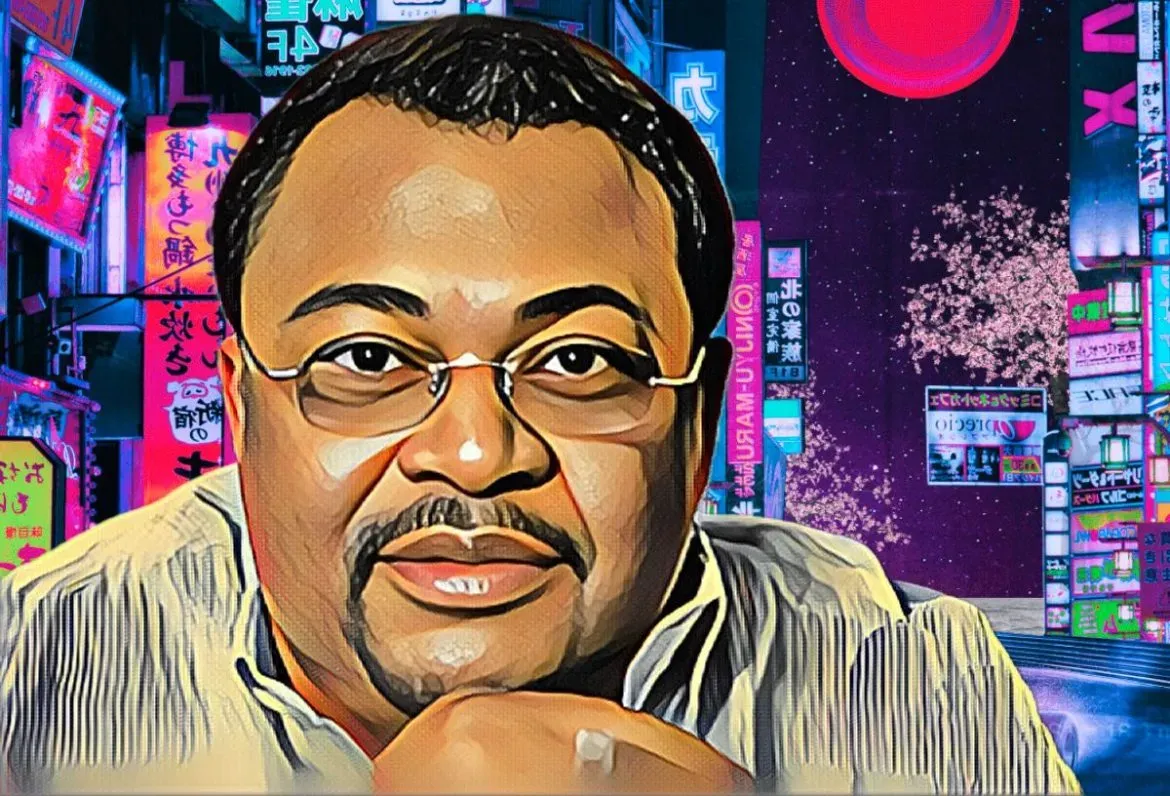
Nigerian telecoms operator Globacom, owned by Nigerian billionaire Mike Adenuga, has donated N1 billion to the Lagos State Security Trust Fund, a high profile contribution that state officials say will help expand surveillance and emergency response in the country’s commercial capital.
The donation was announced after an engagement between Lagos officials and private sector leaders, as authorities continue to press companies to invest in security infrastructure amid concerns about crime, traffic related emergencies and the strain on policing in a fast growing megacity.
The Lagos State Security Trust Fund, known locally as LSSTF, is a public private vehicle that raises voluntary corporate support for equipment and logistics used by security agencies operating in the state. Officials have said priorities include smarter monitoring systems and hardware that can strengthen rapid response.
In Lagos, security is both a public concern and a business concern, with companies frequently affected by theft, disruption and the higher costs of operating in a complex urban environment. Globacom, often called Glo, framed the donation as part of its corporate responsibility agenda and a bet on stability. Executives have long argued that business cannot thrive without public safety, particularly in Lagos, where millions commute daily and commerce depends on reliable movement of goods, cash and people.
Adenuga is famously private, rarely granting interviews and seldom appearing at public ceremonies, even when his companies are involved. Yet his influence is visible in the infrastructure he has backed and the price wars his telecoms firm ignited. When Glo entered the mobile market in 2003, it pushed per second billing, a shift that lowered costs for consumers and forced rivals to adjust their tariffs.
Over time, Globacom expanded beyond voice. The company invested heavily in fiber, national backbone links and international connectivity, including a subsea cable system that executives say supports higher data capacity and improved service delivery across West Africa. It has also moved into mobile money through its payment service bank unit, part of a wider industry race to deepen digital payments.
Adenuga’s business footprint stretches beyond telecoms. He is also linked to oil and gas through Conoil and related energy interests, and his rise is often told as a story of aggressive bet making: taking on incumbents, committing capital and waiting out turbulence. Admirers call it boldness. Critics say it can concentrate power in the hands of a few tycoons. Either way, his companies have become fixtures in Nigeria’s economy.
The Lagos donation is not the first time Globacom has leaned into public giving. In recent years, the company’s foundation has been involved in support programs for vulnerable communities, including food distribution and assistance targeted at workers in essential but often overlooked roles. Globacom also maintains a long record of sponsorship in sports and entertainment, a marketing play that has doubled as support for events that draw large youth audiences.
Security trust funds, however, sit in a different category. They are built on the idea that businesses that benefit from a stable city should also help pay for the tools that protect it. Lagos has pushed that message for years, and officials say corporate interventions can mean the difference between ambitious procurement plans and slow, budget bound progress.
Details of how Globacom’s N1 billion will be spent will be determined by the trust fund’s program and the needs identified by security agencies. Officials have cited equipment such as expanded CCTV coverage, upgraded communications and mobility tools as priorities.