


Table of Contents
Africa’s richest billionaire and industrialist, Aliko Dangote, has taken a stellar step toward securing the future of his vast business empire by appointing his three daughters to key leadership roles across his conglomerate. The decision places family succession at the center of corporate strategy and signals a carefully structured transition plan within one of Africa’s most influential business groups.
The appointments position the next generation of Dangote leadership directly inside the operational core of Dangote Group, aligning family stewardship with long-term corporate governance and expansion ambitions.
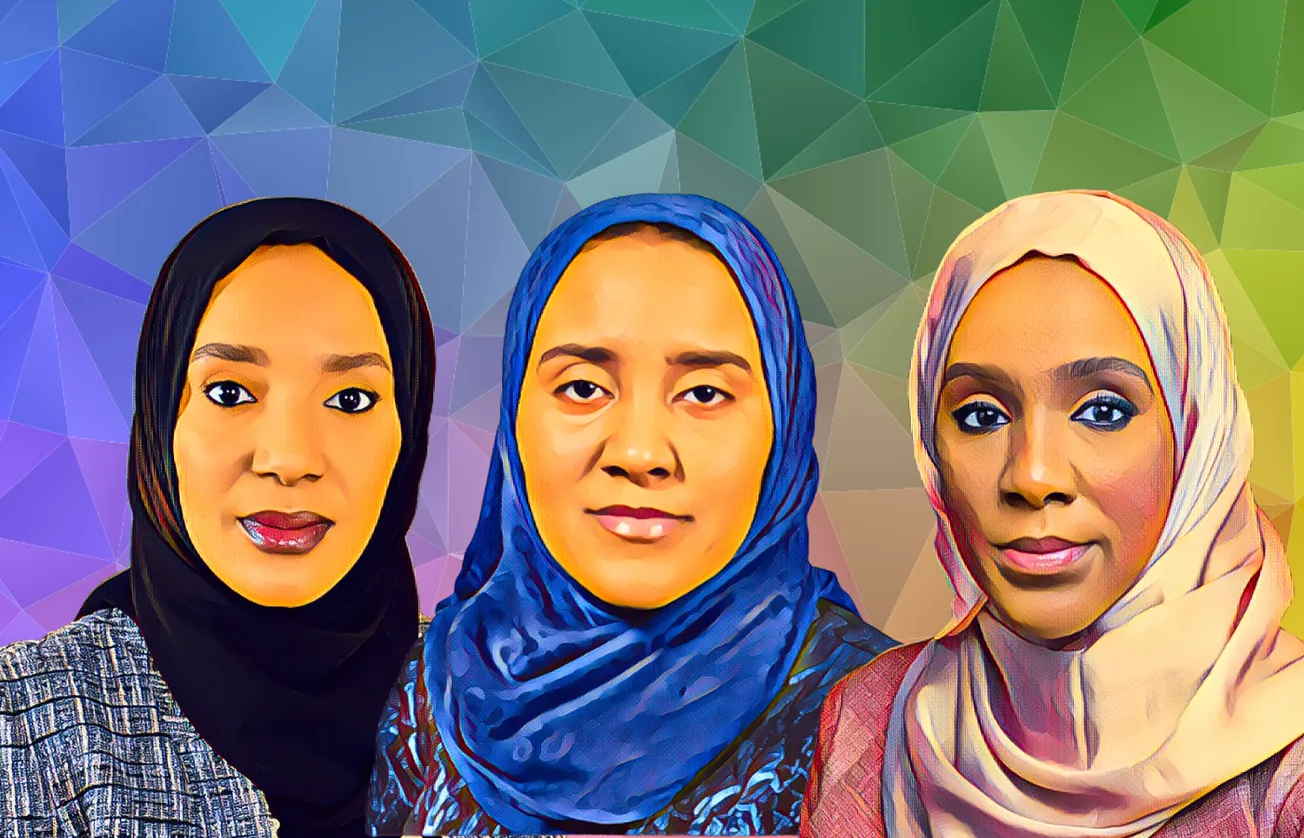
Under the new structure, Halima Dangote has been named Group Executive Director, overseeing the Dangote Family Office and international offices, placing her in charge of global investments, governance frameworks, and strategic international interests.
Fatima Dangote now leads Commercial Operations for the Oil and Gas division, a stellar arm of the conglomerate that includes refining, distribution, and energy infrastructure. Her role positions her at the centre of one of the most capital-intensive sectors in the group.
Mariya Dangote has been appointed head of Commercial Operations for the Cement and Foods businesses, two of the conglomerate’s most profitable and historically dominant sectors.
Together, the appointments distribute oversight of the group’s core revenue engines among Dangote’s daughters, creating a leadership structure that blends continuity with generational transition.
Succession planning as a priority
The decision reflects Dangote’s long-standing emphasis on sustainability and institutional longevity. Rather than waiting for a future transition, the billionaire industrialist is embedding succession planning directly into present-day operations.
Analysts see this as a deliberate governance strategy designed to preserve corporate culture, maintain investor confidence, and ensure that leadership continuity does not disrupt operations in industries where projects often span decades.
The appointments also align with Dangote’s Vision 2030 strategy, an ambitious roadmap aimed at transforming the conglomerate into a $100 billion enterprise. By placing trusted successors in operational command now, Dangote is building a leadership bench capable of scaling the company to that valuation target.
The timing is significant as the group accelerates expansion across refining, infrastructure materials, and food production, sectors that remain central to Africa’s industrial growth.
By elevating his daughters into executive authority, Dangote is shaping his conglomerate into a modern family-anchored industrial dynasty, similar to legacy business houses seen in Europe, Asia, and the Middle East. The structure allows institutional knowledge, ownership control, and strategic vision to remain aligned across generations.
For Dangote, the transition is not simply about family legacy. It is about ensuring that Africa’s largest industrial empire continues expanding under leaders trained from within its own ecosystem.