

Table of Contents
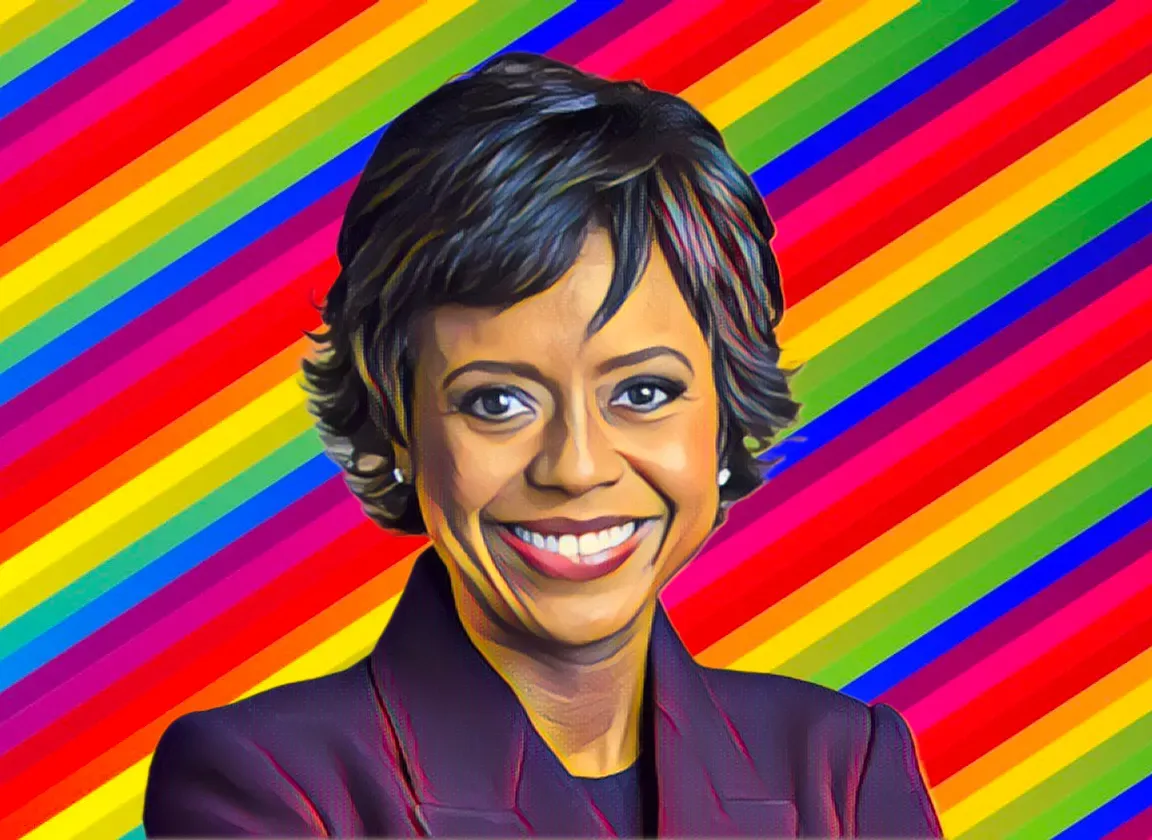
Mellody Hobson, the co CEO of Ariel Investments and one of the most prominent Black women in American finance, has been named among Chicago’s 50 most powerful people as her influence stretches from investing to sports ownership and major cultural projects.
Hobson runs Ariel alongside founder John Rogers Jr. at a firm known for patient, value minded investing in U.S. small and mid cap companies. Ariel is widely recognized as one of the country’s largest Black owned investment managers, a point that matters in an industry where ownership and senior leadership have long been dominated by white men.
The ranking captures a moment when Hobson’s work is visible in several arenas at once. She is a boardroom fixture, known for serving as chair of Starbucks and remaining a director at JPMorgan Chase. At the same time, she has been working with her husband, filmmaker George Lucas, on the opening of the Lucas Museum of Narrative Art in Los Angeles, a project once proposed for Chicago’s lakefront.
Her business footprint also includes sports, a space where elite finance and civic power often meet. She has stakes connected to major franchises, including the Chicago White Sox and the Denver Broncos, and she has been linked to the WNBA as women’s sports draw bigger audiences, larger sponsorships and more serious capital. Ariel has also backed a fund focused on investing in women’s sports, an area that has moved quickly from niche to boardroom conversation.
Hobson’s story is often told as a Chicago rise, because it is. She grew up on the South Side in a household marked by financial instability and has spoken publicly about what it meant to watch bills pile up and to learn early that money is not just numbers, it is options. She went on to Princeton University, then joined Ariel early in her career and stayed, building her reputation inside a firm that prized long term thinking.
Her climb was steady rather than flashy. Hobson became president of Ariel in 2000 and later co CEO, taking on management and long range planning at a time when asset managers were being squeezed by fee pressure, passive investing and a constant demand for short term performance. At Ariel, the pitch remained consistent: do the homework, buy companies that look undervalued, hold them long enough for the market to catch up.
That discipline has helped make Hobson a distinctive figure in American finance, where the top ranks of asset management are still overwhelmingly male and still light on Black leadership. Being one of the few African American women to run a major investment firm has made her visible in ways she did not choose, but she has used that visibility to talk about financial literacy, opportunity and the structural gaps that keep many families from building wealth.
In recent years, Ariel has expanded into private markets through an effort focused on scaling middle market minority owned businesses, broadening the firm’s reach beyond public stocks. Hobson has also leaned into the idea that investing is not only about portfolios, but also about ownership and influence in the economy, a theme reflected in Ariel’s move into women’s sports and her own growing role across corporate America.