

Table of Contents
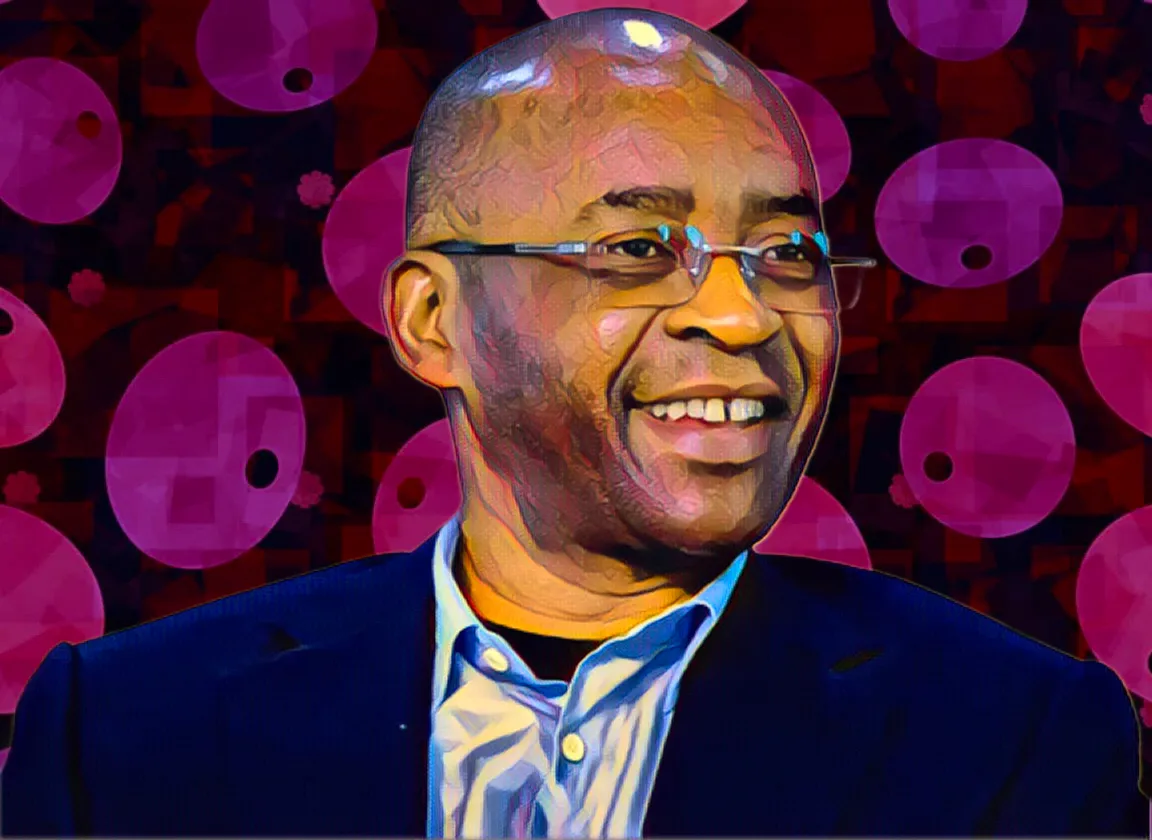
Phuthuma Nhleko, the former MTN Group chief who helped turn the telecoms company into a continental powerhouse, says Africa’s biggest obstacle to future growth may be psychological as much as economic.
In his new book, The Invisible People: How a Quarter of Humanity Can Thrive in Africa by 2050, Nhleko argues the continent needs what he calls reconstructive surgery on identity, a more confident, shared sense of self that can match the scale of what is coming. Africa’s population is projected to climb by about 1 billion people to roughly 2.5 billion by mid century, a surge he says will strain jobs, infrastructure and governance, while also raising the stakes for how Africa is seen and how it sees itself.
Nhleko is not writing as a distant theorist. He is a heavyweight in boardrooms, having spent years at the center of corporate decision making in Africa and beyond. He led MTN as chief executive from 2002 to 2011 and later returned to chair the group, a tenure that made him a defining figure in Africa’s mobile revolution. In recent years he has chaired investment holding group Phembani and has held high profile leadership roles that place him at the intersection of capital markets, energy and infrastructure, including chairing the Johannesburg Stock Exchange and serving as chair of oil explorer Tullow Oil.
His career began far from the executive suite. Trained as a civil engineer, with an MBA in finance, he has worked in engineering and project roles and later moved into banking and corporate finance before building his own investment vehicle in the 1990s. That arc, from technical training to finance to corporate leadership, shapes the way he frames Africa’s challenge: practical, system focused, and impatient with slogans.
Nhleko’s argument is that Africa carries a double identity, its internal story and the version projected onto it by outsiders. He says the gap between those two narratives can quietly distort priorities and expectations, feeding policy timidity at home and skepticism abroad. In his telling, identity is not a soft topic. It influences investment confidence, institutional ambition and the willingness to pursue long term plans.
The book ranges across culture, religion, economics and geopolitics, but its core message is simple. If Africa is to thrive with a quarter of humanity living on the continent, it must build institutions that fit its scale and a self belief that refuses diminished expectations.
Nhleko says the clock is already ticking. The population curve will not pause for political cycles, and he argues the continent’s next chapter depends on choosing confidence, then building the capacity to justify it.