

Table of Contents
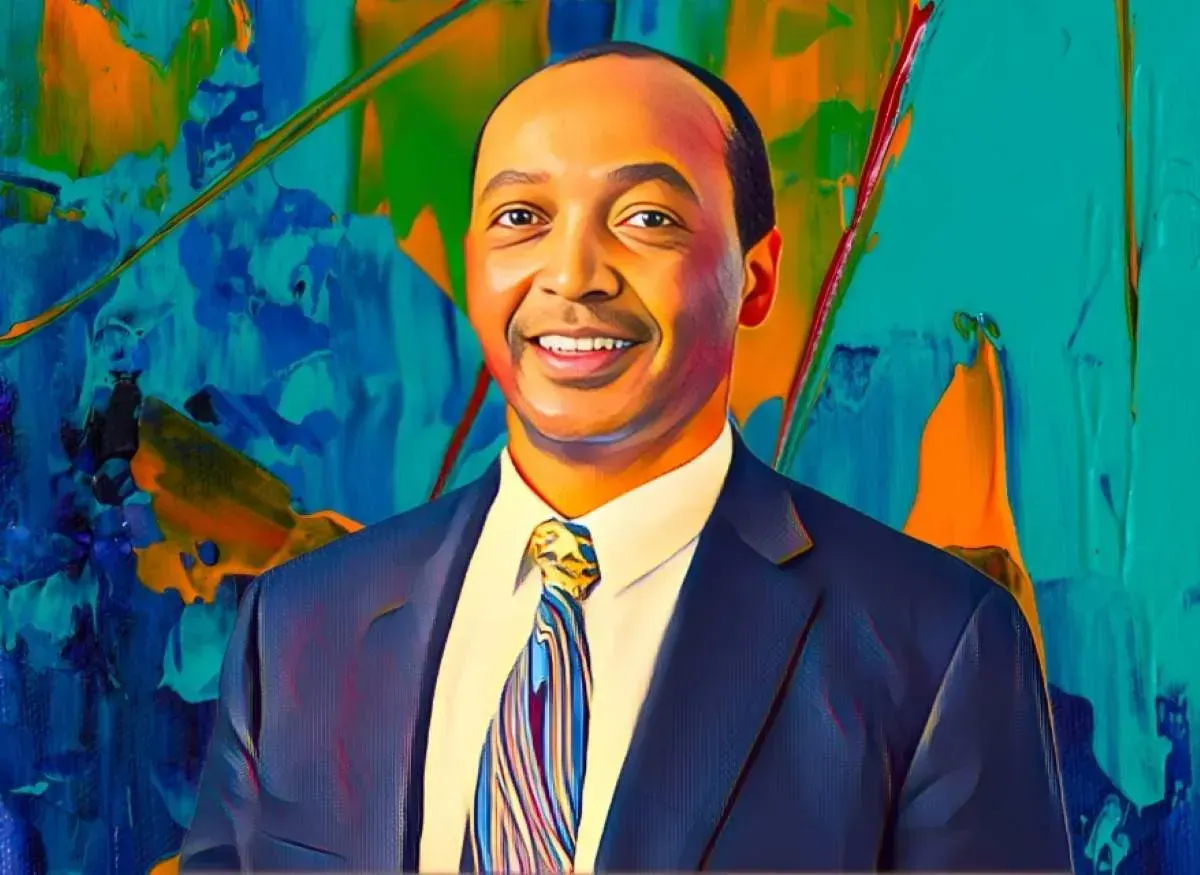
Patrice Motsepe has stepped away from executive duties at African Rainbow Minerals, and the timing is fueling a new round of political speculation in South Africa about whether the billionaire businessman is weighing a run for leadership of the ruling African National Congress.
Motsepe, who founded the mining company in 2003 and has led it since, is now its non executive chairman after new Johannesburg Stock Exchange rules barred board chairs from performing executive functions. ARM also named Jacques van der Bijl as its first chief operating officer, a move the company presented as part of a leadership reshuffle tied to the rule change.
A political analysis published by The Common Sense argued investors should treat Motsepe’s shift as more than corporate housekeeping and assume he may consider seeking the ANC presidency when the party next chooses a leader. The analysis points to polling by the Social Research Foundation conducted late last year, saying Motsepe led a list of potential successors with 23% support, ahead of ANC Secretary General Fikile Mbalula at 19% and Deputy President Paul Mashatile at 13%.
The numbers have ricocheted through South Africa’s political conversation because Motsepe is not a career politician and has not formally declared interest. Yet he is one of the country’s most prominent business figures, and his name carries a kind of cross faction appeal the ANC often struggles to manufacture when internal contestation turns bitter.
The ANC faces a long, slow slide in support, bruised by years of corruption scandals, weak economic growth and public anger over unemployment and failing municipal services. Analysts say the party’s leadership question now sits alongside a more basic voter calculation: whether the ANC can still persuade the middle ground that it is capable of competent administration, or whether South Africa’s coalition era will deepen.
Motsepe’s profile complicates that picture. He is widely seen as a bridge figure, with deep ties in business, sport and philanthropy. Supporters argue he could steady the party’s image with markets and investors. Skeptics say the ANC’s internal machinery rarely hands power to outsiders, and that a tycoon candidate could trigger backlash from factions that view him as too close to corporate South Africa.
Public debate over succession has already been sharpening, with reports pointing to rising maneuvering around possible successors and the sense that the field remains volatile as the ANC approaches its next elective moment.
Motsepe’s move at ARM does not confirm political intent, and his new role still keeps him close to the company he built. Yet the shift removes a key constraint, daily executive responsibility, and it arrives at a moment when the ANC is searching for a candidate who can sell renewal without tearing the party apart.