


Table of Contents
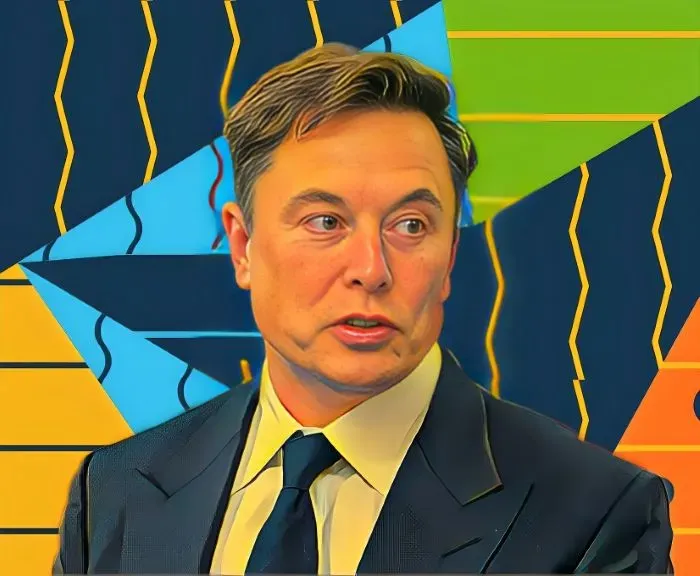
Elon Musk says he expects to pay more than $500 billion in taxes over his lifetime, a claim that has quickly reignited debate about billionaire wealth, tax burdens and how fortunes tied to private companies are measured.
Musk made the comment in a post on X, saying he would probably end up paying over $500 billion in taxes, including at death. The remark followed renewed public discussion of his past statements about being one of the biggest individual taxpayers in history.
The post also arrived as fresh estimates of Musk’s net worth circulated online, with some reports putting his fortune at more than $800 billion after a jump linked to major changes in the valuation of companies tied to him.
The tax comment was short, but it landed in a familiar argument around Musk. Supporters often cite the large tax bills he has paid in years when he exercised stock options or sold shares. Critics say those headline numbers do not settle broader questions about how ultra wealthy individuals are taxed, especially when much of their wealth is held in fast rising assets rather than salary.
Musk has been at the center of that debate for years because his wealth is unusually concentrated in equity stakes and company valuations. That means his taxable income can swing sharply depending on stock sales, compensation decisions and other transactions, while his net worth can rise or fall much faster on paper.
His latest post did not provide a detailed breakdown of how he arrived at the $500 billion figure. It also did not specify what portion would come from federal income tax, state taxes, capital gains taxes or estate related taxes.
Even so, the claim is likely to keep drawing attention because it blends two subjects that already dominate public discussion around Musk: his rapidly expanding wealth and his political messaging on taxes, government and regulation.
Musk frequently uses X to weigh in on policy debates, and his posts often travel far beyond his core followers, especially when they involve large numbers or bold projections. The $500 billion estimate fits that pattern, offering a striking figure that is easy to repeat and hard to verify in real time.
Tax policy experts have long said billionaire tax debates can become distorted when net worth and taxable income are treated as the same thing. Musk’s post does not change that basic distinction, but it does add another headline to an argument that is unlikely to fade as his business empire grows.
What the comment makes clear is that Musk is still framing his financial story not only around how much wealth he has created, but also around how much of it he says will eventually be paid to the state.