

Table of Contents
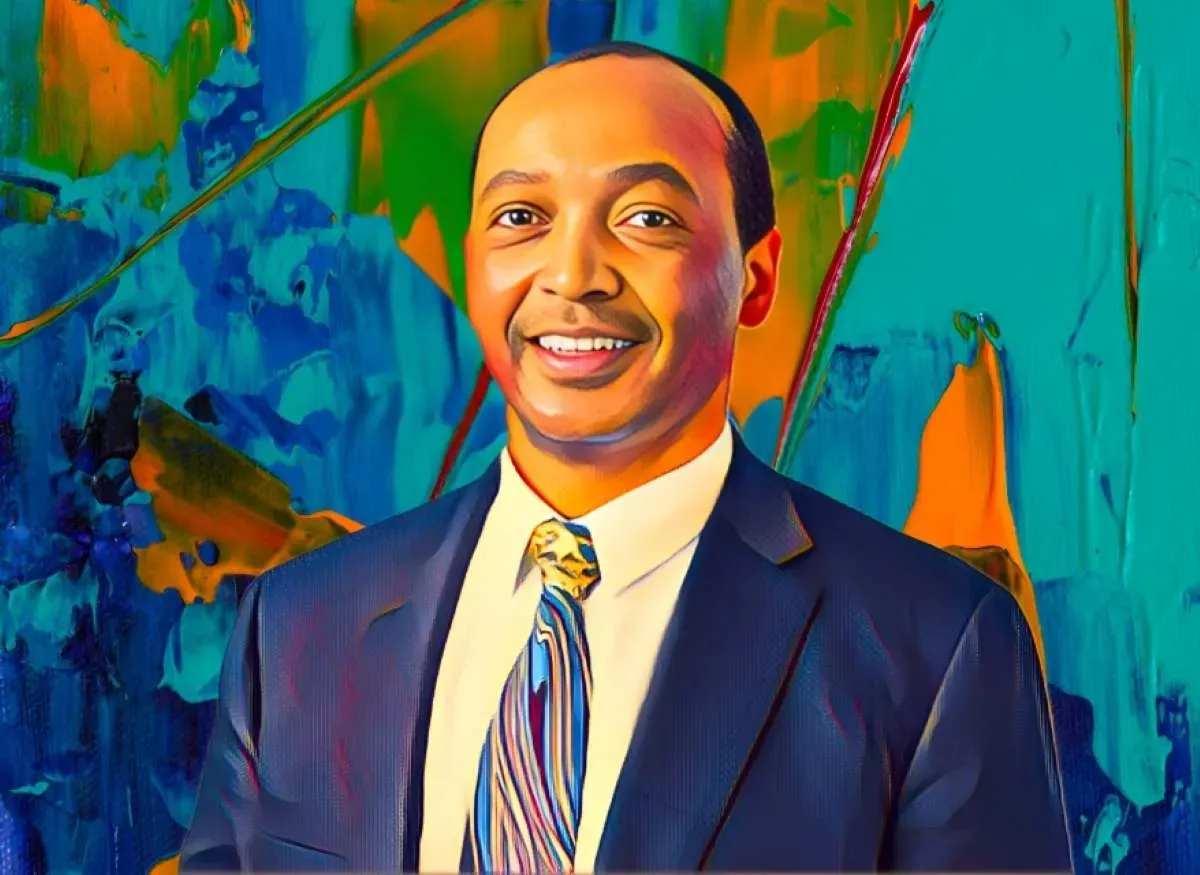
Someone wants Patrice Motsepe to be the next president of the African National Congress. The question is whether Motsepe himself is one of them.
A website, pm27.org.za, went live in the final week of February without any prior announcement, carrying the slogan "Savumelana," a Zulu word meaning "let us agree." The site is framed as a movement, not a formal campaign, but it does not hide what it is pushing for. It describes the mining billionaire and Confederation of African Football president as the "most credible, unifying, and visionary leader" to guide the ANC and South Africa into a new era of integrity and growth. There is a donation form. Money has already come in.
Motsepe has not confirmed any connection to the effort. He has, in fact, spent the better part of a year saying the opposite.
At the South African National Editors Forum gala dinner in October 2025, he was direct. Being president of a country like South Africa is a calling he said he was not prepared to accept. A few weeks later at an African Rainbow Minerals results presentation, he batted away succession questions again. "That is not correct," he said when asked about the rumors. "I will continue to, as I have in the past, work with all political parties across the board."
None of that has slowed the campaign down.
The ANC, for its part, has now lost patience. On Monday, the party issued a sharp statement condemning the PM27 effort by name and calling on everyone involved to stop immediately. The party said premature leadership campaigning threatens organizational unity and runs against decisions taken at the highest levels of the movement.
"The ANC therefore unequivocally condemns the 'PM27' campaign and calls on all those involved to desist immediately," the statement read. "Appropriate steps will be taken to ensure adherence to the decisions of the NEC."
That condemnation lands weeks after ANC Secretary-General Fikile Mbalula made similar noise, if in blunter language. Speaking to the public broadcaster in January, Mbalula said Motsepe should be "pumping money" into the party to help win the 2026 local government elections rather than chasing the presidency. He called the speculation "ghosts." He also declined to comment when asked directly about the new website.
Gauteng Premier Panyaza Lesufi, who has been quietly positioning himself as a potential contender for 2027, took a more evasive line when pressed on whether he would back Motsepe. Speaking on Power Talk radio, he laughed and told host Mbuyiseni Ndlozi: "You said it, I didn't say it." He added that the leadership debate was "still mute" in the ANC, then joked that answering directly would get him expelled.
The PM27 campaign's head of communications, Ishmael Mnisi, pushed back against critics questioning Motsepe's political credentials. He argued that the Motsepe family has deep roots in the anti-apartheid struggle and that Motsepe himself was involved in student politics and youth activism during his formative years. "Today's challenges require leaders who are not only inspired by the legacy of the struggle but are also equipped to drive inclusive growth," Mnisi said.
Not everyone is buying it. Political analyst Sandile Swana said the campaigners need to stop making bold claims and start providing a verifiable track record.
"Motsepe has been around, and he didn't need to be the president of the ANC if he was an influential and trusted leader. He could have already taken action to unify the ANC since 2007," Swana said. He added that Motsepe has never run a municipality, a province, a state entity, held a cabinet post, or served as deputy president. Running a private company, he noted, is a different thing entirely from running a public institution.
Professor Andre Thomashausen offered the other side of that argument. He pointed out that Motsepe had created more sustainable jobs and generated more revenue than the ANC government had over 30 years. "No scandals surround him, no corruption or maladministration," Thomashausen said.
The context matters. The ANC that Motsepe's supporters want him to lead is not the party it once was. Its national vote share fell from 65.9% in 2009 to 40.18% in the 2024 general election, when it lost its parliamentary majority for the first time since the end of apartheid. It now governs through a fragile Government of National Unity rather than by dominance. President Cyril Ramaphosa, who is Motsepe's brother-in-law, secured a second term as party president in 2022 but is expected to step down at the 2027 elective conference.
In that leadership vacuum, Motsepe's name has gained traction less because of any visible ambition on his part and more because the obvious alternatives have not yet broken through. Political analyst Trevor Kibet said in January that ANC scandals and internal divisions had pushed public confidence to historic lows. "He benefits from being untainted," Kibet said of Motsepe. "That alone now counts for a great deal."
Motsepe's continental profile has not hurt him either. Since taking over as CAF president in 2021, he has overseen rising commercial revenues and a more stable institution after years of turbulence. He has also cultivated a broader public presence through philanthropy and faith-based events, including national prayer gatherings organized through the Motsepe Foundation.
Whether any of that translates into the hard, branch-level work required to win the ANC presidency is an entirely different question. Over 3,000 ANC branches will ultimately determine who gets nominated. Lobbying, according to multiple reports, is already underway in Gauteng, Limpopo, the Eastern Cape and KwaZulu-Natal. Those four provinces are considered the minimum required to mount a credible bid.
Motsepe recently stepped down as executive chairman of African Rainbow Minerals, shifting to a non-executive role. Whether that cleared his calendar for something else is a question his supporters are happy to let hang in the air, even as he keeps saying no.