


Table of Contents
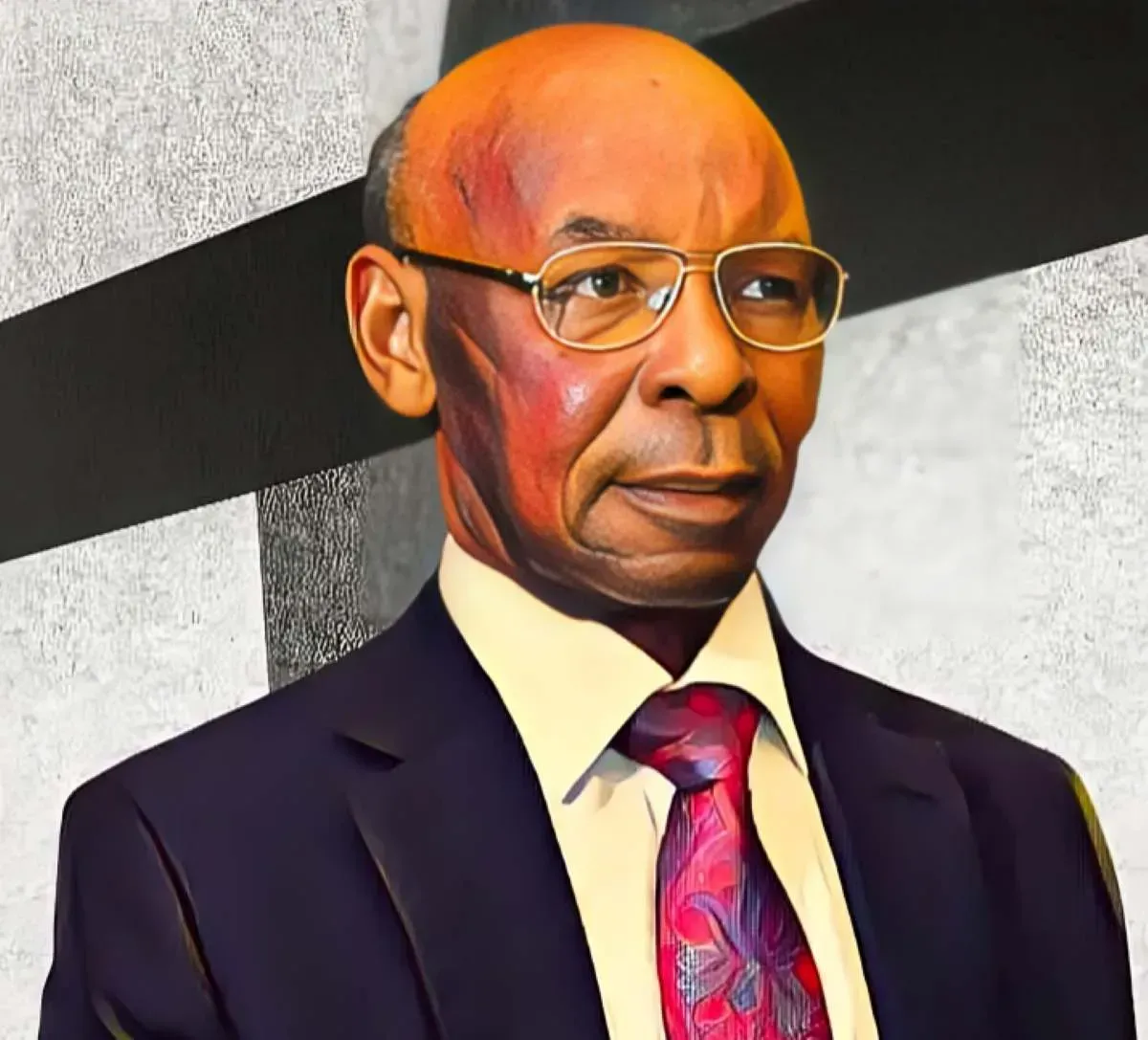
Naguib Sawiris is not mincing words about where Egypt's property market is headed. The billionaire chairman and CEO of Ora Developer says the country's real estate industry is now shrinking the size of homes it builds, a direct response to an affordability crisis that has steadily tightened its grip on Egyptian buyers over the past two years.
Speaking in a television interview, Sawiris said Egypt's housing sector is under mounting pressure from rising construction costs, persistent inflation and an erosion of consumer purchasing power that has fundamentally changed what buyers can afford.
"As one of the major real estate developers in Egypt, we are currently working on decreasing residential unit sizes to ensure affordability for a broad segment of society," he said.
The pivot is not subtle. Sawiris described a market where buyers who previously sought spacious apartments are now gravitating toward compact units, not because their tastes have changed but because successive price increases have forced their hands. Buyers, he noted, are looking for smaller spaces compared to two or three years ago.
The numbers behind that shift are stark. Average property prices in Greater Cairo rose between 12% and 18% during the first half of 2025 alone, with some developments in the New Administrative Capital and New Alamein City recording increases above 20%, according to industry data. Steel, cement and other building materials have seen sustained price spikes that developers have had little choice but to pass on to buyers. Egypt's annual inflation has run above 30% in recent periods, a figure that has eroded real incomes and made the kind of middle-class housing purchase that was routine a few years ago feel increasingly out of reach.
Sawiris has been candid about the toll on developers as well. At an American Chamber of Commerce conference in late 2024, he disclosed that Ora delivered the first phase of its ZED Sheikh Zayed project without turning a profit. "We made zero profit," he said at the time, pointing to rising inflation and the depreciation of the Egyptian pound as the causes. High bank interest rates, which climbed to around 30%, compounded the problem by raising borrowing costs and squeezing project economics.
The strategy of downsizing units is not unique to Ora. Industry observers say the trend reflects a broader structural adjustment unfolding across the sector, as developers that built their reputations on spacious, premium residential communities now rethink their product mix to stay relevant to buyers whose capital has been eroded by currency and price pressures.
Sawiris described the current moment as one that demands significant flexibility, both in how projects are designed and in how they are priced and marketed. The goal, he said, is to maintain market momentum and keep attracting investors and end-users at a time when both groups are more cautious than they have been in years.
The Egyptian real estate market has historically been a refuge for savings during periods of currency weakness. Egyptians abroad, whose annual remittances run to roughly $35 billion, have long channeled a meaningful share of those funds into property. That dynamic has not disappeared, but it is increasingly concentrated in a narrower slice of the market, with investors chasing returns while middle-income buyers struggle to find a foothold.
Developers have responded with a mix of strategies beyond unit downsizing: extended payment plans stretching to eight or 10 years, fixed-price offers for limited windows, and a sharper focus on locations served by Egypt's expanding road and infrastructure network.
Sawiris has also spoken before about the risk of a real estate bubble if the sector is not managed carefully, urging both the government and developers to exercise discipline. He noted that the country's infrastructure improvements, including road links between East and West Cairo, have added real value to properties across a wider geographic range, and that the North Coast continues to attract Gulf Arab buyers who bring foreign currency into the market.
The broader question the industry is now wrestling with is whether smaller, cheaper units represent a temporary adjustment or a lasting reset in what Egyptian buyers expect to get for their money. Given the trajectory of construction costs and inflation over the past two years, developers like Sawiris appear to be betting it is the latter, and building accordingly.