

Table of Contents
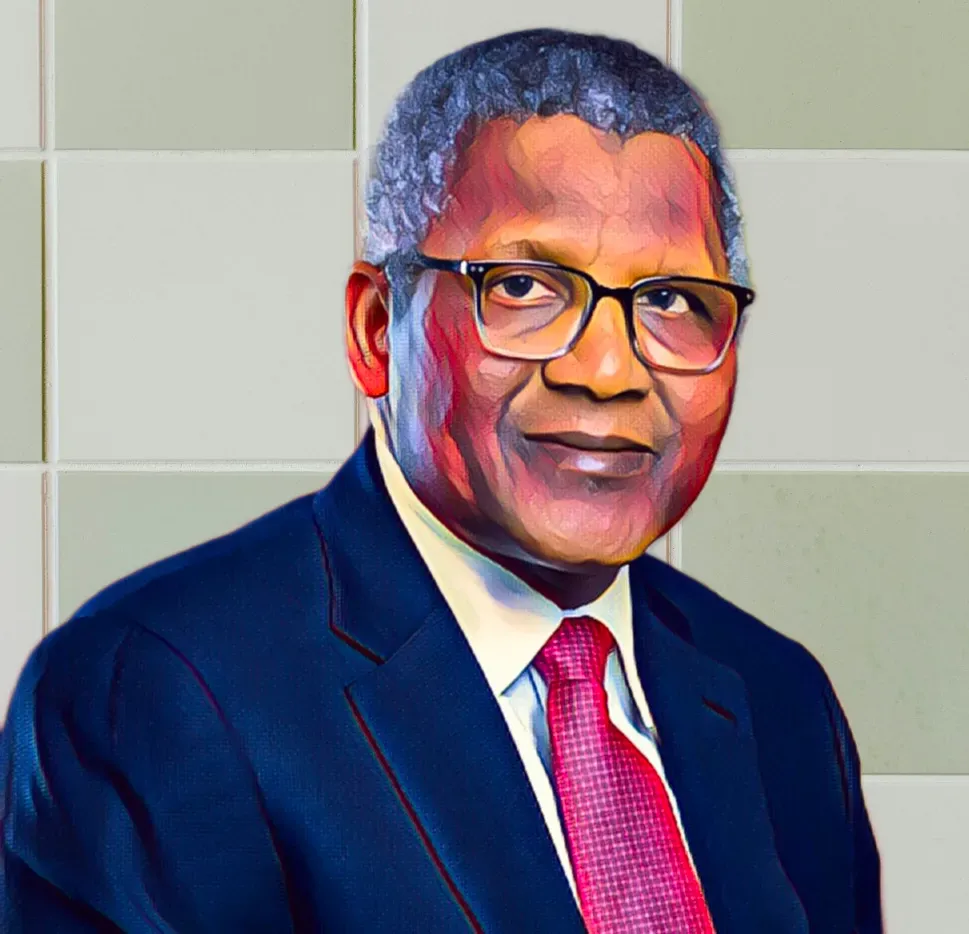
Aliko Dangote has built a refinery, a fertilizer empire and a cement business that stretches across the continent. Now he wants to make steel, generate electricity and build ports. And he is not done talking about it.
The Dangote Group president laid out his next phase of industrial expansion in a recent New York Times interview, saying the sectors he helped reshape were only ever a warm-up. His stated goal is sweeping: industrialize Africa. Not a sector of it. Not a corner of it. The whole thing.
"We have to industrialise Africa," Dangote said, describing steel, power and port development as his next priority areas. "Nobody dared to do it, so we did it."
His flagship Dangote Petroleum Refinery and Petrochemicals is now producing about 650,000 barrels of refined products daily, and output is expected to double within the next three years as expansion plans progress. That is already a significant figure. But Dangote's argument is that refining was always just one piece.
Industry analysts say entry into steel would position the group in a sector critical to infrastructure, housing and heavy industry, while investments in power and ports could address two of Nigeria's most persistent constraints to economic growth. Those constraints are well known to anyone who has tried to run a business in Nigeria: the lights go out, the roads back up, and imports fill gaps that domestic production should.
Dangote pointed to India's Tata Group as the kind of model he is trying to replicate, describing the conglomerate's sprawling multi-sector footprint as proof that large-scale manufacturing can genuinely transform emerging economies. It is not a modest comparison. Tata Group employs hundreds of thousands of people and spans everything from steel to software. But Dangote has earned the right to aim high.
The refinery currently employs about 30,000 workers, approximately 80% of them Nigerians. With planned investments in steel, power and port operations, total employment within the group is expected to increase to about 65,000.
That jobs number matters in Nigeria, where the population is young and growing fast. With Nigeria projected to require between 40 and 50 million new jobs by 2030, Dangote argued that large-scale industrial projects are essential to absorbing the country's growing youth population. The refinery alone is the largest single-train refinery in the world. The math on what steel and port investments could add to the employment picture is not small.
Dangote also announced plans to list shares of the refinery on the Nigerian Stock Exchange, a move aimed at widening ownership and allowing local investors to participate in the project. That move, if it happens, would be significant. It would give ordinary Nigerians a stake in an asset that has already reshaped the country's downstream oil sector and, in theory, its fuel import dependency.
Not everything is going smoothly. Dangote acknowledged that infrastructure gaps and crude supply challenges remain real obstacles. He has previously spoken openly about logistics bottlenecks and inefficiencies in the oil value chain that complicate feedstock supply to the refinery. Specific timelines, investment amounts or exact locations were not provided in the initial statement.
Still, Dangote's track record gives the ambition a certain weight. With cement plants operating across multiple African countries and a refinery that has reshaped Nigeria's downstream outlook, his next push into steel, electricity and port infrastructure signals a new phase in his ambition to industrialise the continent.
He has built things people said could not be built. Whether the next chapter delivers at the same scale is the question his investors, his workers and the continent are now watching closely.