

Table of Contents
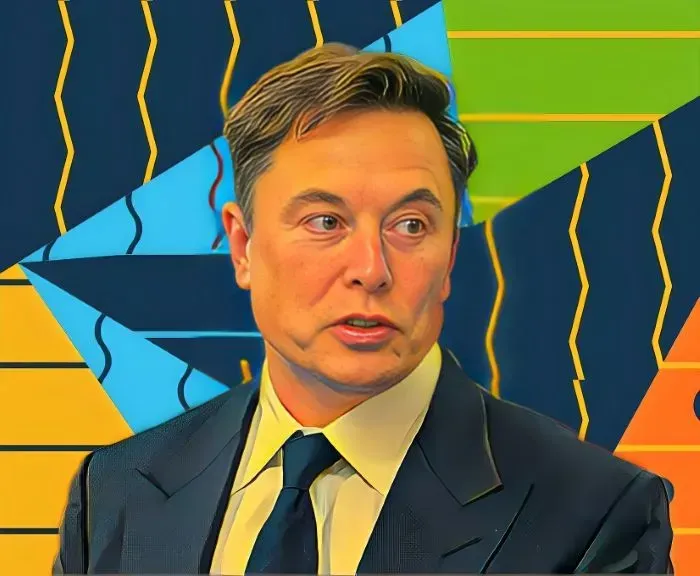
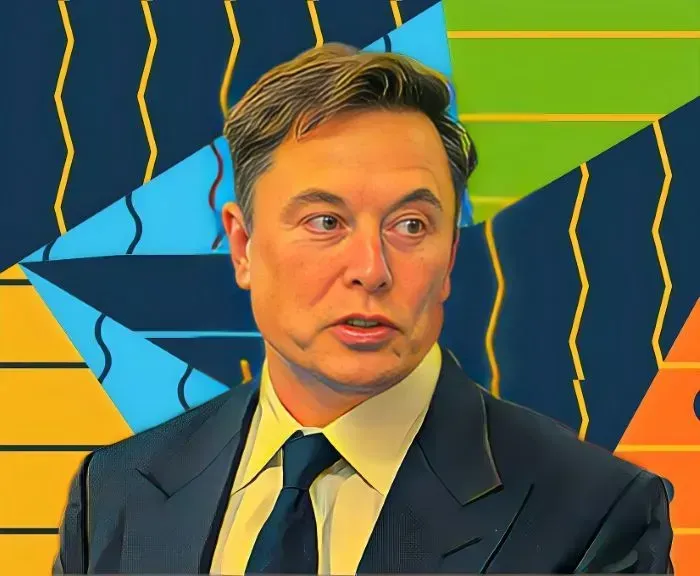
Elon Musk has faced shareholders in court before. Wednesday, he did it again, this time over a string of tweets that plaintiffs say he used to torpedo Twitter's stock price ahead of his $44 billion buyout of the platform in 2022.
The lawsuit was filed in October 2022 in the U.S. District Court for the Northern District of California on behalf of Twitter shareholders who sold the stock between May 13 and Oct. 4, 2022, a few weeks before Musk's purchase of Twitter was finalised. The core claim is that the world's richest man ran a deliberate public campaign of misleading statements to drive the price down, benefiting himself at the expense of ordinary investors who sold during the chaos he created.
"We're here today because Elon Musk cheated investors," Mark Molumphy, a lawyer for the investors, told jurors in his opening statement. "The evidence will show Mr. Musk knew exactly what he was doing."
The sequence of events began in April 2022, when Musk reached a deal to buy Twitter and take it private. Then things got complicated in a very public way. On May 13, he declared his plan "temporarily on hold" and said he needed to pinpoint the number of spam and fake accounts on the platform. Twitter's stock tumbled as a result. A few days later, he tweeted that the deal "cannot go forward" and claimed that almost 20 percent of Twitter accounts were fake.
Plaintiffs say none of that held up. Musk's May 13 tweet was "false because the buyout was not, in fact, 'temporarily on hold,'" the lawsuit says, noting that Twitter had not agreed to pause anything, and there was nothing in the merger agreement that gave him the right to do so.
During the in-between months, a group of investors allege, Musk publicly attacked the company in a ruse to drive down its market value and benefit himself at their expense.
The bot issue became Musk's main public argument. In July 2022, he escalated, saying he would walk away entirely because Twitter had not given him enough information about fake accounts. That came despite the fact that Musk had waived due diligence as part of his "take it or leave it" offer, meaning he had waived his right to look at the company's nonpublic finances. The stock closed at $36.81 on July 8 that year, the day he publicly threatened to abandon the deal. That was 32 percent below his agreed offer price of $54.20 per share.
Musk's legal team told a different story. His attorney Michael T. Lifrak of Quinn Emanuel said all the statements plaintiffs claim to be false are, in fact, true, and described Musk's attempts to get accurate bot figures as a legitimate effort rather than a manipulation scheme. Lifrak told jurors that Musk's concern about bots was longstanding and genuine, and teased his client's testimony by promising Musk would "take the stand like any other witness, look you in the eye and tell you that this was no scheme to lower Twitter stock price."
Twitter sued Musk to force him to complete the deal, and Musk countersued. On Oct. 4, he offered to go through with his original proposal at $44 billion, which Twitter accepted. The deal closed later that month. In the ensuing months, Musk slashed the company's workforce, gutted its trust and safety team and rolled back content moderation policies. In July 2023, he renamed Twitter as X.
The problem of bots and fake accounts on Twitter was not new. The company had paid $809.5 million in 2021 to settle claims it was overstating its growth rate and monthly user figures, and had disclosed its bot estimates to the Securities and Exchange Commission annually while cautioning that its own estimate might be too low.
The trial is scheduled to run two to three weeks, with a break on March 11, and is being held at the Phillip Burton Federal Building in San Francisco. U.S. District Judge Charles R. Breyer is presiding.
This is not the first time Musk has been dragged into court to defend himself against allegations of duping investors through social media. Three years ago, he spent about eight hours testifying in a San Francisco federal trial about his plans to buy Tesla for $420 per share in a proposed 2018 deal that never materialised. A nine-member jury absolved him of wrongdoing in that case.
Whether that track record reassures him or not, Musk's testimony Wednesday put him at the centre of a trial that cuts directly to questions about what a billionaire CEO can say on social media when a multibillion-dollar deal and other people's money are both hanging in the balance.